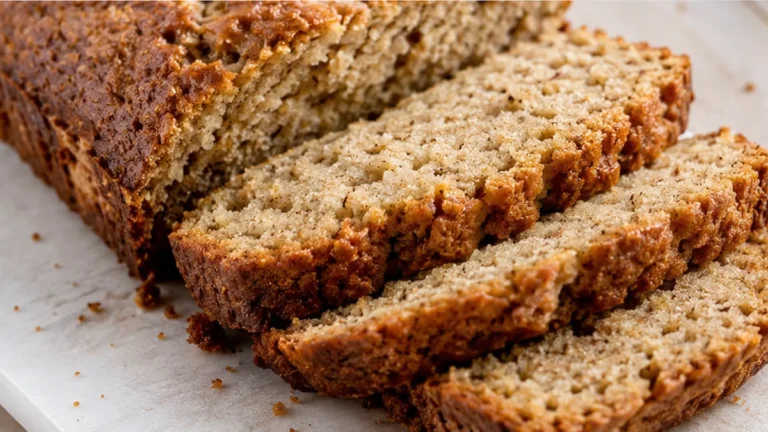
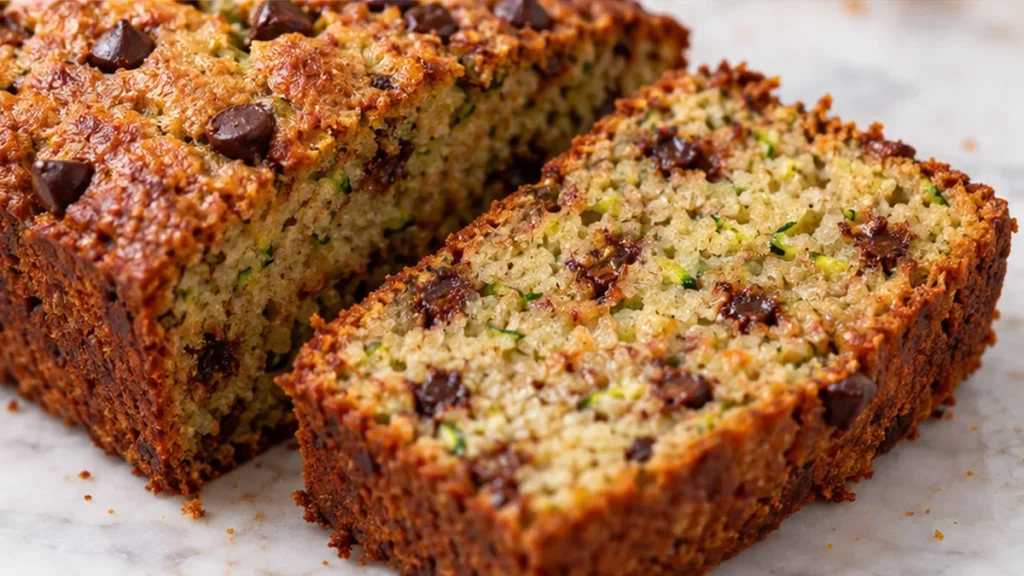
This moist almond flour zucchini bread combines fresh zucchini with almond flour for a nutritious option. It’s simple to prepare and perfect for any time of day.
Key takeaways
- Properly draining the zucchini prevents a dense loaf.
- Using fresh baking powder ensures proper rise.
- Almond flour contributes to moisture and a nutty flavor.
- Ingredient swaps can significantly alter texture and taste.
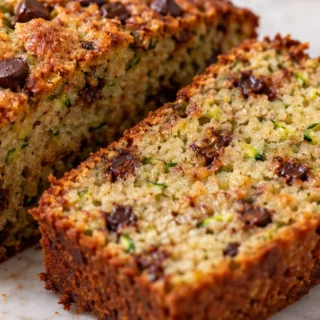
Moist Almond Flour Zucchini Bread – So Easy!
Ingredients
Instructions
- Preheat oven to 350°F (177°C). Line a 9×5-inch loaf pan with parchment paper and lightly grease the sides.
- In a medium bowl, whisk together almond flour, gluten-free all-purpose flour, baking powder, salt, and cinnamon. Set aside.
- In a large bowl, whisk eggs, vegetable oil, sugar, and vanilla until smooth.
- Add the dry ingredients to the wet and stir until just combined.
- Fold in the squeezed grated zucchini and chocolate chips, if using.
- Pour the batter into the prepared loaf pan and smooth the top.
- Bake for 50–60 minutes, or until a toothpick inserted in the center comes out clean. Cool in the pan for 15 minutes, then transfer to a wire rack to cool completely before slicing. Serve and enjoy.
Understanding the Role of Almond Flour in Zucchini Bread
Almond flour is a key ingredient in this moist almond flour zucchini bread, contributing to its unique texture and flavor profile. Unlike traditional wheat flour, almond flour is gluten-free and provides a rich, nutty taste. This flour is made from finely ground almonds, which not only adds moisture but also enhances the nutritional value of the bread, offering healthy fats, protein, and fiber. The high-fat content in almond flour helps to create a tender crumb, while its low carbohydrate content makes this bread a suitable option for those following low-carb or keto diets.
Common Issues and Their Solutions
When baking zucchini bread, several common issues may arise. Here are some problems and solutions:
- Problem: Bread is too dense.
Solution: Ensure that the zucchini is well-drained before mixing it into the batter. Excess moisture can lead to a heavy loaf. - Problem: Bread is dry.
Solution: Check the baking time; overbaking can dry out the bread. Use a toothpick to test for doneness and remove it from the oven as soon as it comes out clean. - Problem: Bread has a gummy texture.
Solution: This may occur if the batter is overmixed. Mix just until combined to avoid developing too much structure in the gluten-free flour. - Problem: Bread doesn’t rise properly.
Solution: Ensure that your baking powder is fresh. Old leavening agents can lead to insufficient rise.
Ingredient Swaps and Their Effects
Substituting ingredients can alter the final product significantly. Here are some swaps you might consider:
- Swap: Coconut flour instead of almond flour.
Effect: Coconut flour absorbs more moisture, requiring additional liquid and eggs to maintain the right consistency. - Swap: Applesauce instead of oil.
Effect: This will reduce the fat content, making the bread lighter but potentially affecting moisture levels. - Swap: Honey instead of sugar.
Effect: Honey will add moisture and a distinct flavor, but it may require adjusting the liquid proportions in the recipe. - Swap: Shredded carrots instead of zucchini.
Effect: This will change the flavor and color of the bread while providing a similar moisture content.
Unique Characteristics of Zucchini Bread
This moist almond flour zucchini bread stands out due to its ability to incorporate vegetables seamlessly into a sweet treat. The zucchini not only adds moisture but also provides a subtle flavor that complements the nuttiness of the almond flour. Unlike many other quick breads, this recipe allows for a healthy dose of vegetables without compromising on taste, making it a nutritious option for breakfast or a snack.
Understanding the Impact of Zucchini Quality on Moist Almond Flour Zucchini Bread
The quality of zucchini used in your bread significantly affects its moisture content and overall flavor. Fresh, young zucchinis are ideal as they contain more water and have a milder taste. When selecting zucchini, look for firm, shiny skin without blemishes. Older zucchinis can be tougher, have larger seeds, and may contribute to a drier loaf. Additionally, the moisture content can vary based on the season and growing conditions, impacting the bread’s final texture. Aim for about 300 grams of shredded zucchini for optimal hydration, which can contribute to a moist crumb.
Scaling the Recipe for Different Serving Sizes
Scaling your moist almond flour zucchini bread recipe can be straightforward, but there are some nuances to consider. When doubling or halving the recipe, maintain the same ratios of dry to wet ingredients to preserve the bread’s texture. For example, if you double the recipe, use 600 grams of zucchini and 200 grams of almond flour. However, be cautious with baking times; larger loaves may require longer baking, while smaller ones may bake faster. Always check for doneness with a toothpick, which should come out clean from the center of the bread. This ensures your scaled recipe maintains the desired moisture level and texture.
Equipment Variations and Their Effects on Baking
The type of baking equipment you use can significantly influence the outcome of your moist almond flour zucchini bread. For instance, using a dark non-stick loaf pan may result in a quicker crust formation, potentially leading to a drier loaf if the baking time is not adjusted. Conversely, glass or ceramic pans distribute heat more evenly, which can help maintain moisture. If you’re using a convection oven, reduce the temperature by about 20 degrees Celsius (or 36 degrees Fahrenheit) to prevent over-baking. Consider these factors when selecting your baking pan to achieve the perfect moist texture.
Seasonal Ingredients and Their Influence on Flavor
Using seasonal ingredients can elevate the flavor profile of your moist almond flour zucchini bread. Fresh, locally sourced zucchinis often have a better taste and texture compared to those out of season. Additionally, consider incorporating seasonal spices like nutmeg or cinnamon during the fall for a warm flavor. If you have access to fresh herbs, a hint of basil or thyme can add an unexpected twist. Remember that the quality of your ingredients directly influences the bread’s moisture and flavor, so opt for the freshest options available.
Understanding the Moisture Dynamics in Almond Flour Zucchini Bread
The moisture content in zucchini bread is crucial for achieving that desired moist texture. Zucchini, being a high-water-content vegetable, contributes significantly to the overall hydration of the bread. When preparing the batter, it’s essential to consider the amount of moisture released from the zucchini. For optimal results, use about 300 grams of grated zucchini, which can yield approximately 200 grams of moisture. This balance is vital as too much moisture can lead to a soggy bread, while too little can result in a dry texture. To manage this, it’s advisable to squeeze out excess moisture from the grated zucchini before incorporating it into the batter. This step helps control the hydration levels and ensures a well-balanced loaf.
Batch Scaling: Adjusting Ingredients for Larger Quantities
Scaling the recipe for almond flour zucchini bread can be straightforward, yet it requires careful adjustments to maintain texture and flavor. For instance, if you want to double the recipe, simply double each ingredient. However, be mindful of the baking time; larger batches may require an increase in baking time by 10-15 minutes. Additionally, using a larger baking pan can help distribute heat more evenly, preventing the edges from overcooking while the center remains undercooked. Always check for doneness using a toothpick; it should come out clean or with a few moist crumbs attached. This method ensures that even scaled-up versions of the recipe yield a moist and flavorful bread.
Serving Suggestions and Pairing for Almond Flour Zucchini Bread
Almond flour zucchini bread offers versatile serving options that can enhance its flavor profile. For a delightful breakfast or snack, serve it warm with a spread of cream cheese or almond butter, which complements the nutty flavor of the almond flour. Alternatively, pairing it with a light drizzle of honey or a sprinkle of cinnamon can elevate the taste experience. This bread also pairs well with herbal teas or coffee, making it an ideal choice for a cozy afternoon treat. For a unique twist, consider adding chocolate chips or nuts to the batter, which not only adds texture but also enhances the overall flavor. These additions can turn a simple zucchini bread into a gourmet experience.
How to Properly Store Almond Flour Zucchini Bread for Maximum Freshness
Storing moist almond flour zucchini bread correctly is essential for maintaining its texture and flavor. After baking, allow the bread to cool completely on a wire rack. Once cooled, wrap the bread tightly in plastic wrap or aluminum foil to prevent moisture loss. For optimal freshness, store it in an airtight container at room temperature for up to three days. If you wish to keep it longer, consider freezing it. Slice the bread before freezing, and wrap each slice individually to make thawing easier. When ready to enjoy, simply remove a slice and let it thaw at room temperature or warm it in the toaster for a few minutes.
Understanding the Role of Zucchini Quality in Moisture Retention
The quality of zucchini used in almond flour zucchini bread significantly impacts the final product’s moistness and flavor. Fresh, firm zucchinis with a shiny skin will provide more moisture and a better texture than older, soft zucchinis that may have lost their water content. When preparing the zucchini, it’s important to grate it finely and squeeze out excess moisture if necessary, especially if the zucchini is particularly watery. This balance ensures that the bread remains moist without becoming overly dense or soggy. Additionally, using organic zucchinis can enhance the flavor profile, as they are often fresher and more flavorful than conventionally grown ones.
Pro tips
Pro tip: Best served immediately while hot!
Frequently asked questions
Can I use whole wheat flour instead of almond flour?
Using whole wheat flour will change the texture and flavor of the bread. Whole wheat flour contains gluten, which can lead to a denser loaf compared to almond flour.
How do I store leftover zucchini bread?
Store leftover zucchini bread in an airtight container at room temperature for up to three days. For longer storage, wrap it tightly and freeze for up to three months.
Can I add nuts or chocolate chips to the batter?
Yes, adding nuts or chocolate chips can enhance the flavor and texture of the zucchini bread. Just be mindful of the added moisture they might bring.
What can I use if I don’t have baking powder?
If you don’t have baking powder, you can substitute it with a mixture of baking soda and vinegar. Use 1/4 teaspoon of baking soda and 1/2 teaspoon of vinegar for each teaspoon of baking powder needed.
More from Gluten-Free Bread & Baking →