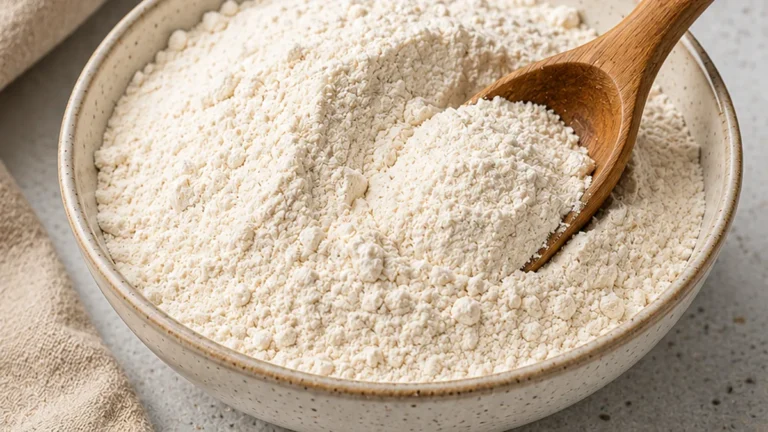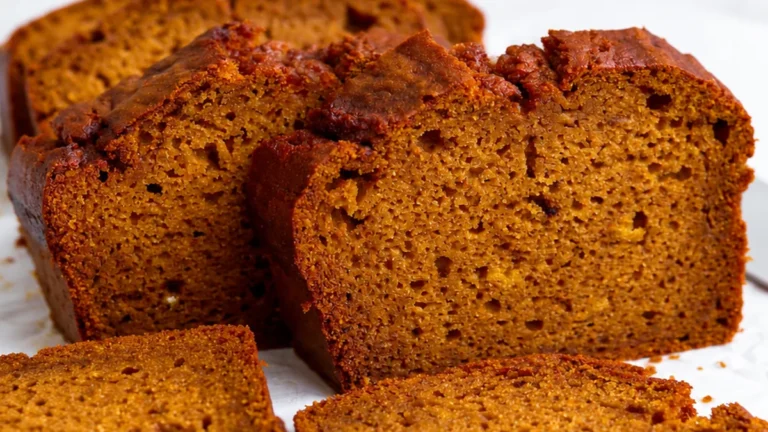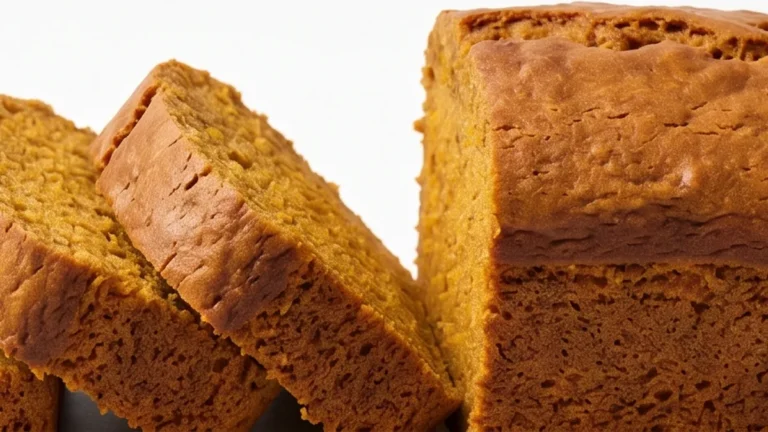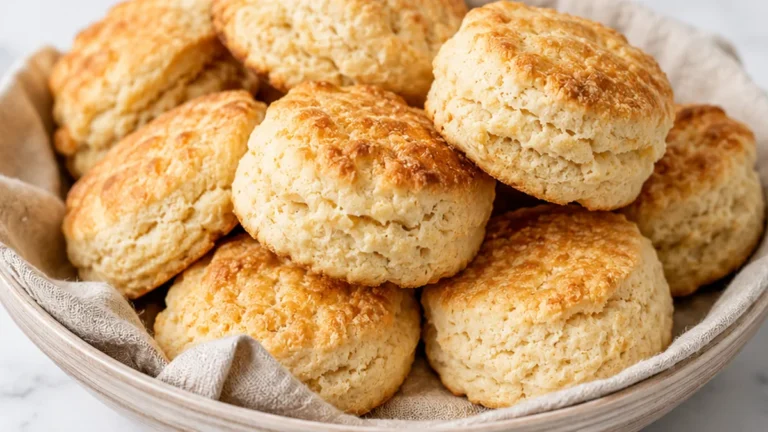
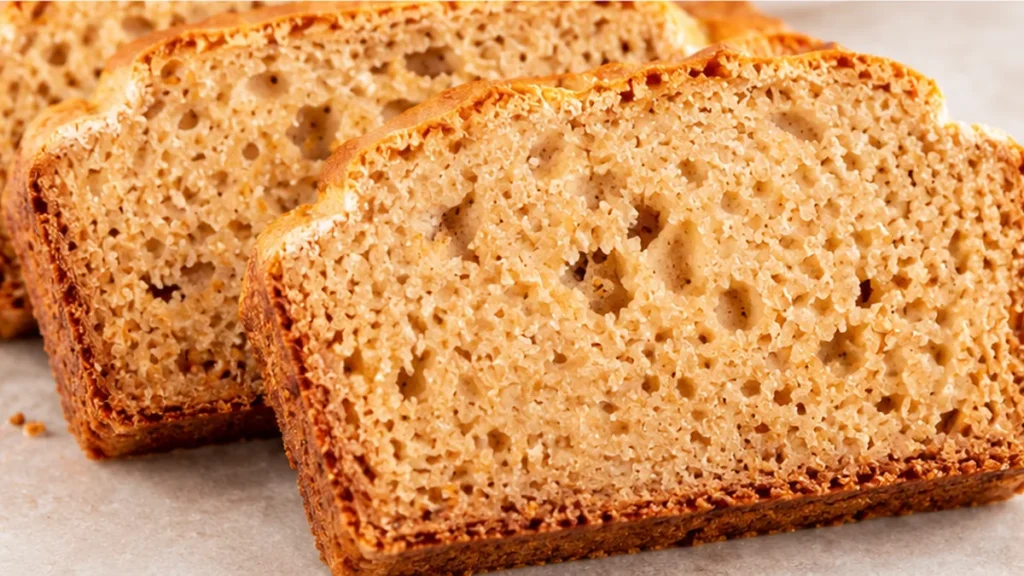
Fluffy cassava bread is a gluten-free option that’s easy to make at home. This recipe uses cassava flour for a light texture and satisfying flavor.
Key takeaways
- Cassava flour provides a unique texture and flavor in gluten-free baking.
- Ensure proper hydration and leavening for fluffy results.
- Ingredient swaps can alter texture and flavor significantly.
- Monitor baking time closely to prevent dryness or density issues.
Fluffy Cassava Bread: Gluten-Free Delight
Ingredients
Instructions
- Preheat the oven to 350°F (177°C) and line a 4×8 or 5×9 loaf pan with parchment paper.
- In a medium bowl, whisk together the cassava flour, tapioca flour, baking powder, baking soda, and salt.
- In a large measuring cup, whisk together the eggs, buttermilk, Greek yogurt, oil, and honey until well combined.
- Pour the egg mixture into the dry flour mixture and stir until well combined and no pockets of flour remain. Do not overmix.
- Evenly spread the batter into the prepared pan.
- Bake for 35-40 minutes, using the toothpick test to ensure the center is fully cooked.
- Let the bread cool in the pan for 10 to 15 minutes, then transfer to a rack to finish cooling.
Understanding the Role of Cassava in Gluten-Free Baking
Cassava flour is made from the whole cassava root, a starchy tuber that is naturally gluten-free. Unlike traditional wheat flour, which contains gluten that provides elasticity and structure, cassava flour relies on its starch content to create a fluffy texture. The high starch content helps absorb moisture, making it ideal for baking fluffy cassava bread. When combined with the right ingredients, cassava flour can mimic the lightness and texture of wheat-based breads.
Common Issues and Their Solutions
When making fluffy cassava bread, several common issues may arise:
- Dense Texture: This can occur if the batter is too thick. To fix this, add a little more liquid to the mixture, such as water or milk, to achieve the desired consistency.
- Dry Bread: If the bread turns out dry, it may be due to overbaking. Keep an eye on the baking time and check for doneness a few minutes earlier than the recipe suggests.
- Flat Bread: If the bread does not rise, ensure that your leavening agent (like baking powder) is fresh and properly measured. Additionally, make sure to mix the batter thoroughly to incorporate air.
Ingredient Swaps and Their Impact
Substituting ingredients can alter the final product significantly. Here are some common swaps for fluffy cassava bread:
- Coconut Oil for Butter: Using coconut oil instead of butter will give the bread a subtle coconut flavor and a slightly different texture due to the oil’s moisture content.
- Honey for Sugar: Replacing sugar with honey can add moisture and a unique flavor, but it may require reducing the liquid in the recipe slightly to maintain the right batter consistency.
- Egg Alternatives: For a vegan version, applesauce or flaxseed meal can replace eggs. However, this may result in a denser texture.
Unique Characteristics of Cassava Bread
Fluffy cassava bread stands out from other gluten-free breads due to its unique texture and flavor profile. The use of cassava flour not only provides a light and airy bread but also imparts a mild, slightly nutty taste that pairs well with both sweet and savory toppings. Additionally, cassava is rich in carbohydrates, making this bread a filling option for those on a gluten-free diet.
Understanding the Best Equipment for Fluffy Cassava Bread
The right equipment can significantly impact the outcome of your fluffy cassava bread. A high-quality mixing bowl and a sturdy whisk or mixer are essential for achieving a smooth batter. Additionally, using a non-stick loaf pan can prevent the bread from sticking, ensuring a clean release. If you opt for a silicone mold, it may require less greasing, but ensure it can withstand the baking temperature. The oven’s accuracy is also crucial; using an oven thermometer can help maintain the correct temperature, which is vital for proper rising and baking.
Batch Scaling for Fluffy Cassava Bread
Scaling the recipe for fluffy cassava bread can be straightforward, but it requires careful attention to ingredient ratios. When doubling or halving the recipe, maintain the same proportions of cassava flour to liquid and leavening agents. For example, if the original recipe calls for 200 grams of cassava flour and 300 ml of water, use 400 grams of flour and 600 ml of water for a doubled batch. Keep in mind that larger batches may require longer baking times, so monitor the bread closely to avoid overbaking.
Serving Suggestions and Pairings
Fluffy cassava bread is versatile and can be served in various ways. It pairs beautifully with both sweet and savory toppings. For a breakfast option, consider spreading it with a layer of avocado and a sprinkle of salt, or serve it with a dollop of honey or jam. For lunch or dinner, it complements soups and stews well, acting as a gluten-free alternative to traditional bread. Additionally, consider toasting slices for a delightful crunch that enhances any topping.
How Ingredient Quality Affects Fluffiness
The quality of the ingredients used in fluffy cassava bread directly influences its texture and flavor. Fresh cassava flour will yield better results than older stock, which may have lost some of its leavening power. Similarly, the freshness of your baking powder is crucial; expired baking powder can result in a dense loaf. When possible, use high-quality oils and liquids, as they contribute to the overall flavor profile. Seasonal ingredients, such as fresh herbs or spices, can also enhance the bread’s taste and aroma, making it a delightful addition to your meals.
How to Properly Store Fluffy Cassava Bread for Maximum Freshness
Storing fluffy cassava bread correctly is essential for maintaining its texture and flavor. To keep it fresh, wrap the bread in plastic wrap or place it in an airtight container. This prevents moisture loss, which can lead to a dry texture. If you plan to consume the bread within a few days, storing it at room temperature is sufficient. For longer storage, consider freezing the bread. Slice it before freezing to make it easy to thaw individual pieces as needed. When ready to eat, thaw the slices at room temperature or toast them directly from the freezer for a quick snack.
Understanding the Impact of Ingredient Quality on Fluffiness
The quality of ingredients used in fluffy cassava bread significantly affects the final product. High-quality cassava flour is essential; look for brands that are finely milled and free from additives. Fresh ingredients, such as eggs and dairy, also contribute to the bread’s fluffiness. Older or stale ingredients can lead to a denser texture. Additionally, the moisture content in the cassava flour can vary, affecting hydration levels in the dough. Always check the flour’s packaging for recommended hydration ratios, as this can help achieve the desired fluffiness.
Batch Scaling: Adjusting Ingredients for Different Quantities
Scaling the recipe for fluffy cassava bread can be straightforward, but it requires careful adjustments to maintain texture and flavor. When increasing the batch size, ensure you scale all ingredients proportionally. For instance, if doubling the recipe, use twice the amount of cassava flour, liquid, and leavening agents. However, be mindful that larger batches may require slight adjustments in baking time and temperature. It’s advisable to monitor the bread closely while baking, as larger loaves may need additional time to cook through without burning the crust.
Understanding the Role of Temperature in Fluffy Cassava Bread
The temperature of your ingredients and your kitchen environment plays a crucial role in achieving the desired fluffiness in cassava bread. Ideally, the water used in the dough should be warm, around 37°C to 43°C (98°F to 110°F), to activate any yeast or leavening agents effectively. If the water is too hot, it can kill the yeast, while too cold water will slow down the fermentation process. Additionally, allowing the dough to rest at room temperature for about 30 minutes can help in developing a better texture. This resting period allows the starches in the cassava flour to hydrate fully, resulting in a softer bread.
Batch Scaling for Fluffy Cassava Bread: Key Considerations
When scaling the recipe for fluffy cassava bread, it is essential to maintain the correct ratios of ingredients to ensure consistent results. For instance, if you double the recipe, simply doubling the cassava flour, water, and other ingredients is a good start; however, the mixing time may need to be adjusted. Larger batches can require more mixing to achieve a homogenous dough. Additionally, consider the baking time; larger loaves may need an extra 5 to 10 minutes in the oven to cook through properly. Always monitor the bread closely as it bakes, checking for a golden-brown crust and a hollow sound when tapped on the bottom, which indicates doneness.
Understanding the Importance of Hydration in Fluffy Cassava Bread
Hydration plays a crucial role in the texture and fluffiness of fluffy cassava bread. The right amount of water is essential for the cassava flour to fully absorb moisture, which helps in creating a light and airy bread. Typically, a hydration level of around 70% is ideal for cassava flour. This means that for every 100 grams of cassava flour, you should aim to incorporate approximately 70 grams of water. If the dough feels too dry, it can lead to a dense texture. Conversely, too much water can cause the bread to collapse during baking. It’s important to adjust the water content based on the humidity levels in your environment, as this can affect how the flour absorbs moisture.
Batch Scaling Considerations for Fluffy Cassava Bread
Scaling your recipe for fluffy cassava bread requires careful consideration of ingredient ratios and mixing techniques. When increasing the batch size, maintain the same proportions of cassava flour to liquid to ensure consistent results. For instance, if you double the recipe, use double the amount of each ingredient, including any leavening agents. However, be mindful that larger batches may require adjustments in mixing time and baking duration. It is advisable to mix the dough thoroughly to ensure even hydration and aeration. Additionally, when scaling up, consider using larger baking pans or multiple pans to avoid overcrowding, which can lead to uneven baking.
Pro tips
Pro tip: Best served immediately while hot!
Frequently asked questions
Can I use other flours instead of cassava flour?
While cassava flour is preferred for its unique properties, you can experiment with other gluten-free flours like almond or coconut flour. However, the texture and flavor will differ, so adjustments in liquid and binding agents may be necessary.
How can I store leftover cassava bread?
Store leftover fluffy cassava bread in an airtight container at room temperature for up to three days. For longer storage, consider freezing it. Wrap the bread tightly in plastic wrap and place it in a freezer-safe bag.
What can I serve with fluffy cassava bread?
This bread pairs well with a variety of toppings. You can enjoy it with avocado, nut butter, or even as a base for sandwiches. Its mild flavor complements both sweet and savory ingredients.
Is fluffy cassava bread suitable for a vegan diet?
Yes, fluffy cassava bread can be made vegan by using egg substitutes such as applesauce or flaxseed meal. Additionally, replace butter with coconut oil or a vegan margarine to maintain the recipe’s integrity.
More from Gluten-Free Bread & Baking →