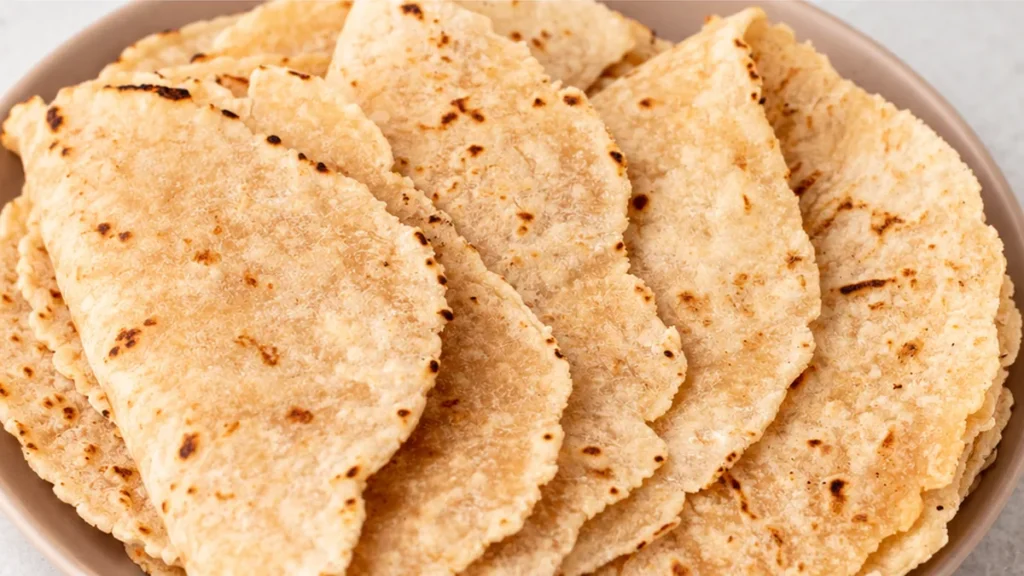
Fluffy cassava tortillas are a simple and gluten-free option for taco night. These tortillas are easy to make and pair well with a variety of fillings.
Key takeaways
- Using the right amount of liquid is crucial for achieving the desired texture.
- Kneading the dough properly helps develop elasticity, preventing breakage.
- Cooking at the correct temperature ensures even cooking and a fluffy result.
- Cassava tortillas have a unique flavor and texture, making them versatile for various dishes.
Fluffy Cassava Tortillas: Taco Night Essential
Ingredients
Instructions
- In a medium bowl, whisk together the cassava flour, tapioca flour, salt, and xanthan gum.
- Stir in the melted butter and hot water until thoroughly combined, about 1 ½-2 minutes.
- Divide the dough into 10 balls, about 43g each. Cover with a damp towel and allow to sit for 3-5 minutes.
- Place each dough ball between two pieces of parchment paper and roll into a 6” circle, about 1/8” thick.
- Heat a cast-iron skillet over medium-high heat. Cook tortillas for 45-60 seconds per side.
- Serve warm with your favorite fillings and toppings.
Understanding the Ingredients: The Role of Cassava
Cassava, also known as yuca, is a starchy root vegetable that serves as the primary ingredient in fluffy cassava tortillas. Unlike traditional wheat flour, cassava flour is gluten-free, making it an excellent alternative for those with gluten sensitivities. The unique composition of cassava flour allows for a light and fluffy texture when cooked, which is essential for achieving the desired tortilla consistency. The starches in cassava absorb moisture and expand when heated, creating a pliable and soft tortilla ideal for wrapping various fillings.
Common Issues and Solutions When Making Fluffy Cassava Tortillas
When preparing fluffy cassava tortillas, several issues may arise that can affect the final product. Here are some common problems and their solutions:
- Issue: Tortillas are too dry and crumbly.
Solution: Ensure you are using the correct amount of liquid. Adding a bit more water or oil can help bind the dough better. - Issue: Tortillas break easily.
Solution: Make sure to knead the dough sufficiently. Proper kneading develops the starches, which help create elasticity. - Issue: Uneven cooking.
Solution: Preheat your cooking surface adequately. An evenly heated skillet or griddle ensures that the tortillas cook uniformly.
Ingredient Swaps and Their Effects
While cassava flour is the star ingredient in this recipe, there are a few substitutions you can consider if needed:
- Substitution: Tapioca flour instead of cassava flour.
Effect: This will result in a chewier texture, which may not be as fluffy but can still work for certain applications. - Substitution: Almond flour.
Effect: This can add a nutty flavor but will create a denser tortilla. - Substitution: Coconut flour.
Effect: This will absorb more liquid, so adjustments in the recipe will be necessary to maintain the correct dough consistency.
The Science Behind Cooking Cassava Tortillas
Cooking cassava tortillas involves understanding how heat affects the starches in cassava flour. When heated, the starch granules swell and gelatinize, which is crucial for achieving that fluffy texture. The ideal cooking temperature for cassava tortillas is around 190°C (375°F). Cooking them at this temperature allows the tortillas to puff slightly while maintaining their softness. If cooked at too low a temperature, they may become tough, while too high a temperature can lead to burning.
Key Characteristics of Fluffy Cassava Tortillas
Fluffy cassava tortillas are distinct in their texture and flavor profile. Unlike traditional corn or flour tortillas, cassava tortillas have a slightly sweet, nutty flavor that pairs well with various fillings. Their gluten-free nature makes them suitable for a wide range of dietary preferences, and their ability to hold moisture makes them ideal for both dry and saucy fillings. Additionally, they can be used in various cuisines beyond Mexican, such as Brazilian or Caribbean dishes, showcasing their versatility.
How to Properly Store Fluffy Cassava Tortillas for Maximum Freshness
To maintain the softness and flavor of fluffy cassava tortillas, proper storage is essential. Once cooked, allow the tortillas to cool completely at room temperature. Place them in an airtight container or wrap them in plastic wrap. Storing them in the refrigerator can keep them fresh for up to a week. For longer storage, consider freezing them. Wrap each tortilla individually in plastic wrap and place them in a freezer bag. They can last up to three months in the freezer. When ready to use, thaw them in the refrigerator overnight or at room temperature for a few hours. Reheat on a skillet for a few seconds on each side to restore their fluffiness.
Scaling the Recipe: Adjusting Quantities for Larger Gatherings
Scaling the fluffy cassava tortillas recipe is straightforward, allowing you to easily accommodate larger gatherings. The key is to maintain the same ratios of ingredients. For instance, if the original recipe yields eight tortillas and you need sixteen, simply double the quantities of cassava flour and water. However, be mindful of the mixing and cooking process. Larger batches may require more time to mix thoroughly and may need to be cooked in batches on the skillet to avoid overcrowding. This ensures each tortilla gets the proper heat for even cooking, resulting in a fluffy texture.
Choosing the Right Equipment for Cooking Fluffy Cassava Tortillas
The equipment you use can significantly impact the outcome of your fluffy cassava tortillas. A non-stick skillet or griddle is ideal for cooking, as it prevents sticking and allows for even heat distribution. If you prefer a more traditional approach, a cast-iron skillet can also work well, provided it is well-seasoned. Additionally, consider using a tortilla press for uniform thickness, which helps achieve a consistent cook. If you don’t have a tortilla press, a heavy pan can be used to flatten the dough between two sheets of parchment paper.
Seasonal Ingredient Variations and Their Impact on Tortilla Flavor
Seasonal changes can influence the quality of cassava flour, which in turn affects the flavor and texture of your tortillas. Fresh cassava flour, typically available in local markets or specialty stores, will yield fluffier tortillas compared to older, stale flour. Additionally, consider incorporating seasonal herbs or spices into your dough for a unique twist. For example, adding finely chopped cilantro or a pinch of chili powder can enhance the flavor profile, making your tortillas suitable for various dishes. Experimenting with these variations can elevate your taco night experience.
Understanding the Impact of Cassava Quality on Tortilla Texture
The quality of cassava used in your tortillas can significantly affect their texture and flavor. Fresh, high-quality cassava will yield a more pliable and fluffy tortilla, while older or lower-quality cassava may lead to a denser product. When selecting cassava, look for firm roots without any signs of rot or excessive blemishes. The moisture content of the cassava also plays a crucial role; if the roots are too dry, they may not bind well, resulting in a crumbly texture. Conversely, overly moist cassava can make the dough too sticky, complicating the rolling process. Aim for a balance in moisture to achieve the desired fluffiness.
Batch Scaling: Adjusting for Larger Gatherings
When scaling the recipe for larger gatherings, it’s important to maintain the proportions of the ingredients to ensure consistent results. For every additional batch, consider the capacity of your mixing and cooking equipment. Using larger bowls and pans can help, but be mindful of the mixing process; overworking the dough can lead to toughness. If you find that the dough becomes difficult to handle, divide it into smaller portions for easier manipulation. Additionally, adjust cooking time slightly, as larger batches may require a longer time on the heat to ensure even cooking throughout.
Serving Suggestions: Pairing Fluffy Cassava Tortillas
Fluffy cassava tortillas are incredibly versatile and can be paired with a variety of fillings and toppings. For a traditional approach, consider serving them with grilled meats, sautéed vegetables, or fresh salsas. The mild flavor of cassava allows it to complement both savory and sweet ingredients. For a unique twist, try using them as a base for breakfast tacos, filled with eggs, avocado, and cheese. Additionally, consider incorporating seasonal ingredients such as fresh herbs or roasted vegetables to enhance flavor and nutrition. The adaptability of these tortillas makes them a fantastic option for any meal.
Understanding the Role of Hydration in Fluffy Cassava Tortillas
Hydration plays a crucial role in achieving the perfect texture for fluffy cassava tortillas. The right amount of water helps to activate the starches in cassava flour, leading to a pliable and soft tortilla. Typically, a hydration level of around 60-65% is ideal, meaning for every 100 grams of cassava flour, you should use approximately 60-65 grams of water. This balance ensures that the tortillas are not too dry or too sticky. If the dough feels crumbly, it may require a bit more water, while a sticky dough can indicate too much moisture. Additionally, allowing the dough to rest for about 15-30 minutes after mixing can enhance hydration, resulting in a more cohesive dough that is easier to roll out.
How to Adjust Cooking Time for Different Equipment When Making Fluffy Cassava Tortillas
The cooking time for fluffy cassava tortillas can vary significantly depending on the equipment used. For instance, using a traditional cast-iron skillet may require a cooking time of 1-2 minutes per side, while a non-stick pan might cook them slightly faster due to better heat distribution. If using an electric griddle, the temperature should be set to around 190°C (375°F), and tortillas may need about 30 seconds less per side. It’s important to monitor the tortillas closely; they should be lightly browned and puffed up, indicating they are cooked through. Adjusting the heat and cooking time based on your specific equipment ensures that you achieve that ideal fluffy texture without burning or undercooking the tortillas.
Pro tips
Pro tip: Best served immediately while hot!
Frequently asked questions
Can I use other flours instead of cassava flour?
While cassava flour is ideal for this recipe, you can experiment with tapioca or almond flour. However, these alternatives may alter the texture and flavor of the tortillas.
How do I store leftover tortillas?
Store leftover fluffy cassava tortillas in an airtight container in the refrigerator for up to three days. To reheat, warm them in a skillet or microwave.
Why are my tortillas breaking apart?
Tortillas may break apart if the dough is too dry or not kneaded enough. Ensure you add enough liquid and knead thoroughly to develop elasticity.
What dishes pair well with fluffy cassava tortillas?
Fluffy cassava tortillas are versatile and can be paired with various fillings, including grilled meats, beans, vegetables, and sauces, making them suitable for tacos, wraps, or even quesadillas.
More from Gluten-Free Bread & Baking →