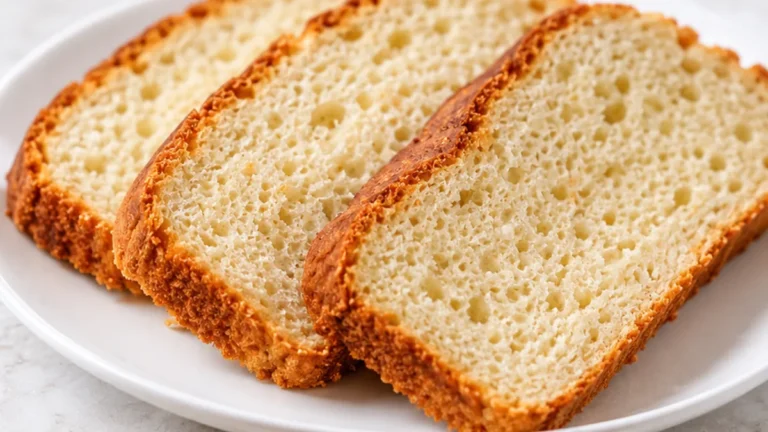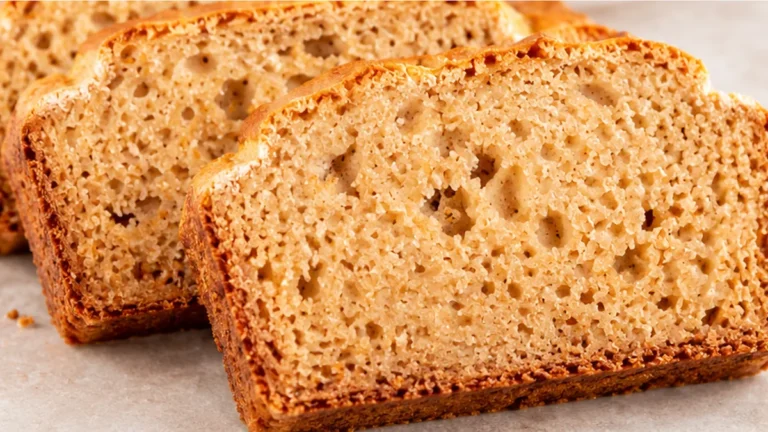
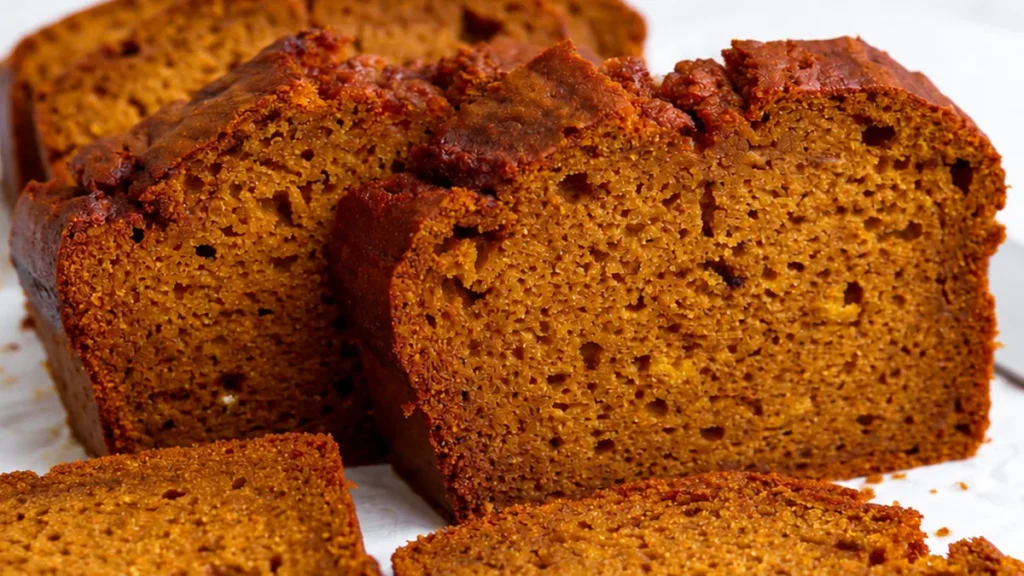
This gluten free pumpkin bread recipe is easy to follow and yields a moist loaf. Using almond flour enhances the flavor and texture, making it a great choice for gluten-free diets.
Key takeaways
- Use pure pumpkin puree for optimal moisture and flavor.
- Avoid overmixing to maintain a light texture.
- Consider ingredient swaps for enhanced flavor, like almond flour for richness.
- Bake at 180°C (350°F) for even cooking and perfect texture.
Gluten-Free Pumpkin Bread Recipe
Ingredients
Instructions
- Preheat oven to 350°F (177°C) and spray a 9×5 loaf pan with gluten-free cooking spray.
- In a large bowl add pumpkin, baking soda, baking powder, and salt and mix to combine.
- Add in the sugar, brown sugar, and vanilla extract and mix until fully combined and smooth.
- Add the eggs and vegetable oil to the batter and mix until smooth.
- Add in the gluten-free flour and mix until fully combined and smooth. The batter will be thick.
- Spoon the batter into the greased loaf pan. Bake for 50-60 minutes, or until a toothpick comes out clean.
Understanding Pumpkin’s Role in Moisture and Flavor
Pumpkin is a key ingredient in gluten-free pumpkin bread, providing moisture and a unique flavor profile. The natural sugars in pumpkin contribute to the sweetness of the bread, while its high water content helps maintain a tender crumb. When using canned pumpkin, ensure it is pure pumpkin, not pumpkin pie filling, which contains added sugars and spices that can alter the final taste. The ideal moisture content for pumpkin puree is around 90%, which enhances the bread’s overall texture.
Common Pitfalls in Gluten-Free Baking and How to Avoid Them
Gluten-free baking can often lead to dry or crumbly baked goods if not done correctly. One common issue is the absence of gluten, which provides structure. To combat this, consider adding a binding agent such as xanthan gum or psyllium husk. Another common pitfall is overmixing the batter, which can lead to a dense loaf. Mix until just combined to maintain a light texture. Additionally, ensure that your baking powder is fresh; expired leavening agents can result in poor rise.
Ingredient Adjustments for Enhanced Flavor and Texture
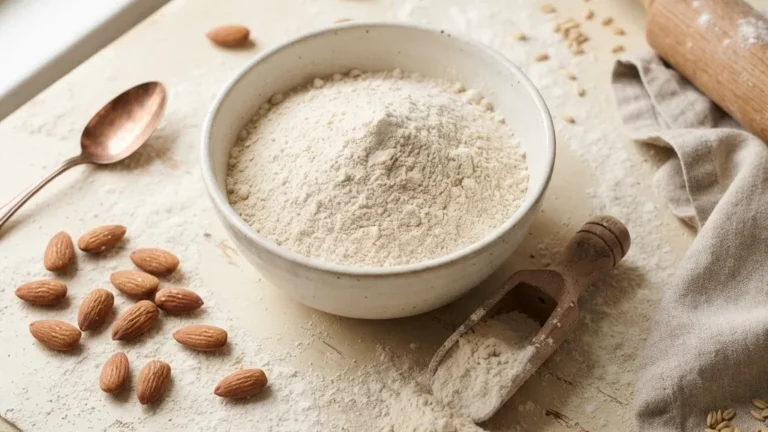
Swapping out certain ingredients can significantly affect the flavor and texture of your gluten-free pumpkin bread. For example, replacing some of the gluten-free flour with almond flour can add richness and moisture but may require additional binding agents due to its fat content. Similarly, using coconut sugar instead of granulated sugar can provide a deeper caramel flavor but may alter the bread’s color. Each swap should be made with consideration of the desired outcome.
The Science Behind Perfect Baking Temperatures
The baking temperature plays a crucial role in achieving the perfect gluten-free pumpkin bread. A standard baking temperature of 180°C (350°F) allows for even cooking and prevents the bread from drying out. If the bread is browning too quickly on the top, consider covering it with aluminum foil during the last part of baking. The internal temperature of the bread should reach at least 95°C (203°F) for it to be fully cooked, ensuring a moist and tender loaf.
Understanding the Impact of Ingredient Quality on Gluten-Free Pumpkin Bread
The quality of ingredients plays a crucial role in the outcome of gluten-free pumpkin bread. For instance, the type of gluten-free flour used can significantly affect the texture and flavor. All-purpose gluten-free flour blends often contain xanthan gum, which helps mimic the elasticity of gluten. However, using a single flour like almond or coconut flour can result in a denser loaf. For optimal results, consider using a blend of flours that includes starches like tapioca or potato starch, which can enhance the lightness of the bread. Additionally, the freshness of spices, especially cinnamon and nutmeg, can elevate the flavor profile. Using freshly grated nutmeg rather than pre-ground can make a noticeable difference in taste.
Batch Scaling: Adjusting Ingredients for Different Quantities
Scaling your gluten-free pumpkin bread recipe for larger or smaller batches requires careful adjustments to maintain the desired texture and flavor. When doubling the recipe, it’s essential to ensure even mixing to avoid dry pockets of flour. A common mistake is to simply double the baking powder or baking soda; however, these leavening agents should be increased slightly less than double to prevent an overly airy texture. Conversely, if reducing the batch size, consider making a small test batch first to ensure that the ingredient ratios work well. For example, if halving the recipe, try using slightly less than half the eggs, as eggs provide moisture and binding that can vary in effect based on the total volume.
Equipment Variations: Choosing the Right Tools for Baking
The equipment used in baking gluten-free pumpkin bread can influence the final product significantly. Using a glass or ceramic loaf pan can help ensure even baking, while metal pans may cause the edges to brown too quickly. If using a dark-colored pan, consider reducing the baking temperature by about 10-15 degrees Celsius (20-30 degrees Fahrenheit) to prevent over-browning. Additionally, a stand mixer can provide a more consistent batter texture compared to mixing by hand, especially when incorporating wet and dry ingredients. For those who prefer a denser loaf, using a bundt pan can create a unique shape and texture, allowing for a different baking time and presentation.
Seasonal Considerations: Adapting to Available Ingredients
Seasonal changes can affect the quality and availability of ingredients used in gluten-free pumpkin bread. During the fall, fresh pumpkin puree is often available, which can enhance the flavor and moisture content compared to canned varieties. However, if using canned pumpkin, ensure it is 100% pure pumpkin without additives. Additionally, the spices used can vary in potency based on their freshness; thus, adjusting the amount based on taste is advisable. When baking in warmer months, consider refrigerating the batter for a short period before baking to help with rise and texture. This cooling period allows the batter to rest, which can improve the final loaf’s texture.
Understanding the Role of Pumpkin in Flavor and Moisture
Pumpkin is a crucial ingredient in gluten-free pumpkin bread, contributing both moisture and flavor. The natural sugars in pumpkin help to caramelize during baking, enhancing the bread’s sweetness and creating a rich, warm flavor profile. Additionally, pumpkin puree adds moisture, which is particularly important in gluten-free baking, where dryness can often be an issue. The ideal moisture content for gluten-free bread is around 60-70%, and pumpkin puree typically contains about 90% water. This high moisture level helps to create a tender crumb, preventing the bread from becoming too dense. However, it’s essential to balance the amount of pumpkin used with the dry ingredients to avoid a soggy texture. For optimal results, aim for a ratio of about 1 cup (240g) of pumpkin puree for every 2 cups (240g) of gluten-free flour used.
Make-Ahead Strategies for Pumpkin Bread
Preparing gluten-free pumpkin bread ahead of time can save you valuable time during busy weeks or festive seasons. One effective strategy is to make the batter in advance and refrigerate it for up to 24 hours. This allows the flavors to develop more fully, resulting in a richer taste. Additionally, you can bake the bread and store it for later use. Once cooled, wrap the bread tightly in plastic wrap and then in aluminum foil to prevent freezer burn. Properly stored, gluten-free pumpkin bread can last in the freezer for up to three months. When ready to enjoy, simply thaw it at room temperature or warm it in the oven at 180°C (350°F) for about 10-15 minutes. This method will help maintain its moist texture and fresh flavor.
Serving Suggestions and Pairings for Pumpkin Bread
Gluten-free pumpkin bread is versatile and can be enjoyed in various ways. For a delightful breakfast or brunch option, serve slices toasted with a spread of cream cheese or butter. The creaminess complements the warm spices typically found in pumpkin bread, such as cinnamon and nutmeg. For a more indulgent treat, consider pairing it with a scoop of vanilla ice cream or a dollop of whipped cream for dessert. Additionally, pumpkin bread pairs well with warm beverages like chai tea or spiced coffee, enhancing its seasonal flavors. For a healthier option, serve it with a smear of almond butter or a sprinkle of chia seeds for added texture and nutrition. These pairings not only elevate the dish but also provide a delightful contrast to the bread’s sweetness.
Why pumpkin bread can become dense and how to achieve the right texture
One common issue with gluten-free pumpkin bread is achieving the right texture. Gluten-free flours often lack the elasticity found in wheat flour, which can lead to a dense loaf. To counteract this, ensure you are using a blend of gluten-free flours that includes a starch (like tapioca or potato starch) along with a whole grain flour (like almond or brown rice flour). A typical ratio is 40% starch to 60% whole grain. Additionally, incorporating a leavening agent such as baking powder or baking soda is crucial; this helps create air pockets that lighten the texture. When mixing, avoid overmixing, as this can lead to a gummy consistency. Aim for a batter that is thick but pourable, adjusting the liquid content slightly if necessary.
Understanding the impact of ingredient freshness on flavor
The quality and freshness of your ingredients play a significant role in the final flavor of your gluten-free pumpkin bread. For instance, using fresh pumpkin puree is preferable to canned, as it offers a brighter, more vibrant flavor. Similarly, spices like cinnamon and nutmeg should be fresh; ground spices lose potency over time. For optimal flavor, consider grinding whole spices just before use. Additionally, the freshness of your gluten-free flour can influence the taste; older flours may develop off-flavors due to rancidity. Store your flours in airtight containers in a cool, dark place to maintain their freshness. This attention to ingredient quality will enhance the overall taste of your pumpkin bread.
Pro tips
Pro tip: Best served immediately while hot!
Frequently asked questions
Can I use fresh pumpkin instead of canned?
Yes, you can use fresh pumpkin. Just ensure to cook and puree it until smooth. Fresh pumpkin may have a different moisture content, so adjust other liquid ingredients accordingly.
What can I use instead of xanthan gum?
If you don’t have xanthan gum, you can substitute it with psyllium husk or ground chia seeds. These alternatives also help bind the ingredients together in gluten-free recipes.
How do I know when the pumpkin bread is done baking?
The bread is done when it is golden brown on top and a toothpick inserted into the center comes out clean or with a few moist crumbs. The internal temperature should be at least 95°C (203°F).
Can I add nuts or chocolate chips to the batter?
Yes, adding nuts or chocolate chips can enhance the flavor and texture of the bread. Just be sure to fold them in gently to avoid overmixing the batter.
More from Gluten-Free Bread & Baking →