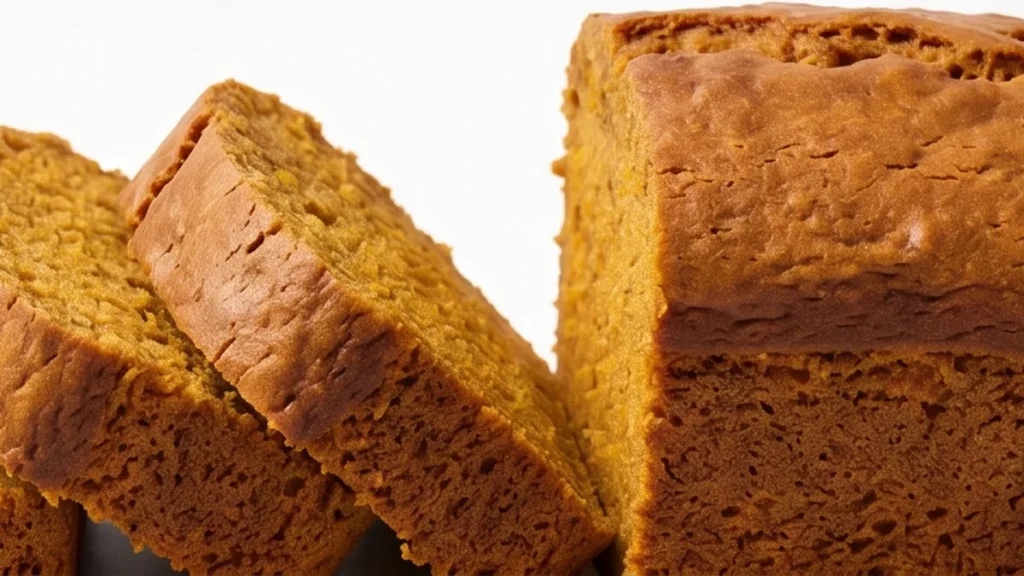
This gluten-free pumpkin bread is the ultimate autumn treat, delivering incredible moisture and tender crumb without any gluten. Perfect for a cozy breakfast or a delightful snack, this recipe uses simple ingredients to create a truly satisfying bake. Forget dry, crumbly gluten-free baked goods; this pumpkin bread is exceptionally moist and flavorful. It’s ideal for anyone seeking a delicious, allergy-friendly way to enjoy the classic taste of pumpkin spice.
Key takeaways
- The moisture from pure pumpkin puree and vegetable oil is key to a tender gluten-free crumb.
- Avoid overmixing gluten-free flour to prevent a gummy texture.
- Proper leavening and accurate baking temperatures ensure a good rise.
- Substitutions can alter texture and moisture, so proceed with awareness.
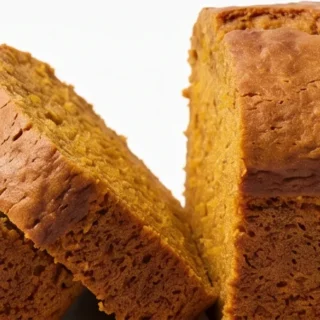
The ULTIMATE Gluten-Free Pumpkin Bread!
Ingredients
- 1 cup canned pumpkin (not pumpkin pie filling)
- 1 tsp baking soda
- ½ tsp gluten-free baking powder
- ¼ tsp salt
- ¾ cup granulated sugar
- ½ cup brown sugar
- 2 tsp pure vanilla extract
- 3 large eggs
- ⅓ cup vegetable oil
- 1 ½ cups gluten-free all-purpose flour
Instructions
- Preheat oven to 350°F (177°C) and spray a 9×5 loaf pan with gluten-free cooking spray.
- In a large bowl add pumpkin, baking soda, baking powder, and salt and mix to combine.
- Add in the sugar, brown sugar, pure vanilla extract and mix until fully combined and smooth.
- Add the eggs and the vegetable oil to the batter and mix until smooth.
- Add in the gluten-free flour and mix until fully combined and smooth. The batter will be thick.
- Spoon the batter into the greased loaf pan. Bake for 50-60 minutes, or until a toothpick comes out clean. Allow to cool before slicing and enjoy!
Notes
The technique that makes it
Achieving the perfect texture in gluten-free pumpkin bread relies on a few key principles. The primary challenge with gluten-free baking is replicating the structure and moisture retention that gluten provides. In this recipe, the combination of canned pumpkin and vegetable oil works synergistically to deliver moisture. Canned pumpkin, specifically the pure pumpkin puree and not the pre-sweetened pie filling, contains natural starches that absorb liquid and contribute to a tender crumb. It also adds a significant amount of moisture. The vegetable oil, a neutral fat, coats the gluten-free flour particles, preventing them from becoming tough or gummy, which is a common issue in gluten-free baked goods. The leavening agents, baking soda and gluten-free baking powder, are crucial for lift. Baking soda reacts with the slight acidity in the pumpkin and brown sugar, while the baking powder provides a double-acting lift. Proper mixing is essential: combine the wet ingredients thoroughly before adding the dry. Overmixing after adding the gluten-free flour can lead to a dense loaf, as gluten-free flours can become gummy when overworked. The sugars, both granulated and brown, not only sweeten but also contribute to moisture retention and a desirable tender crumb through their hygroscopic properties. The eggs bind the ingredients and add richness and structure.
Troubleshooting
- Problem: Dry and crumbly bread
Fix: Ensure you are using pure canned pumpkin puree, not pumpkin pie filling, which has added sugars and liquids that alter the moisture balance. Also, be careful not to overbake; check for doneness with a toothpick inserted into the center – it should come out with a few moist crumbs attached, not completely dry. - Problem: Dense or gummy texture
Fix: Overmixing the batter after adding the gluten-free flour can develop a gummy texture. Mix the dry ingredients into the wet ingredients just until combined. Allow the batter to rest for about 10-15 minutes before baking; this gives the gluten-free flours time to hydrate properly, leading to a better texture. - Problem: Bread sinks in the middle
Fix: This can be caused by underbaking or an imbalance of leavening agents. Ensure the baking soda and baking powder are fresh and accurately measured. Baking at the correct temperature is also vital; an oven that runs too hot can cause the outside to set before the inside is fully cooked, leading to a collapse. - Problem: Uneven browning
Fix: If the top of the bread is browning too quickly before the inside is cooked, tent the loaf loosely with aluminum foil during the last 15-20 minutes of baking. Ensure your oven temperature is accurate by using an oven thermometer.
Substitutions
- Flour: While a gluten-free all-purpose blend is recommended, you can experiment with specific gluten-free flours. A blend containing rice flour, tapioca starch, and potato starch often yields good results. Almond flour can be used, but it will result in a denser, moister loaf and may require adjusting liquid content.
- Oil: Melted coconut oil or a neutral-flavored oil like canola or grapeseed oil can be substituted for vegetable oil. The result will be similar in texture, though coconut oil might impart a subtle flavor.
- Sugars: You can reduce the total sugar slightly, but this may affect the moisture and tenderness of the bread. Replacing some of the granulated sugar with more brown sugar will result in a richer, chewier texture and deeper color.
- Eggs: For an egg-free version, you can try using a flax egg (1 tbsp ground flaxseed + 3 tbsp water, let sit for 5 minutes) or a commercial egg replacer for each egg. The texture might be slightly denser.
Pro tips
- Ensure you use pure pumpkin puree, not pumpkin pie filling.
- Don’t overmix the batter once the flour is added to keep the bread tender.
- For a richer flavor, add 1 tsp of pumpkin pie spice along with the flour.
Enjoy this delightful gluten-free pumpkin bread with a cup of coffee or tea. It’s a simple recipe for a perfect fall-season bake.
More from Gluten-Free Bread & Baking →
Frequently asked questions
Can I make gluten-free pumpkin bread ahead of time?
Yes, gluten-free pumpkin bread can be made up to two days in advance. Ensure it is completely cooled before storing. Wrap it tightly in plastic wrap, then in aluminum foil, or place it in an airtight container. This helps maintain its moisture and prevents it from drying out. It can also be frozen for longer storage.
How do I know when gluten-free pumpkin bread is done?
To check for doneness, insert a toothpick or a thin knife into the center of the bread. If it comes out clean, with no wet batter attached, the bread is ready. A few moist crumbs are acceptable. You can also gently press the top; it should spring back slightly.
What is the best way to store gluten-free pumpkin bread?
Once completely cooled, store gluten-free pumpkin bread at room temperature in an airtight container or wrapped tightly in plastic wrap and then foil. It will stay fresh for about 2-3 days. For longer storage, wrap it well and freeze it for up to three months.
Can I substitute other flours in gluten-free pumpkin bread?
Substituting flours in gluten-free baking can be tricky. While some recipes may allow for minor adjustments, it’s best to stick to the recommended gluten-free flour blend for this recipe. Different flours have unique absorption rates and structures that can significantly alter the bread’s texture and outcome.