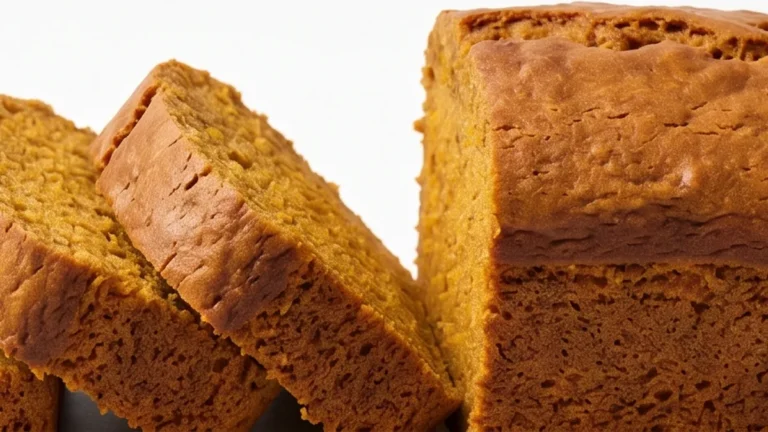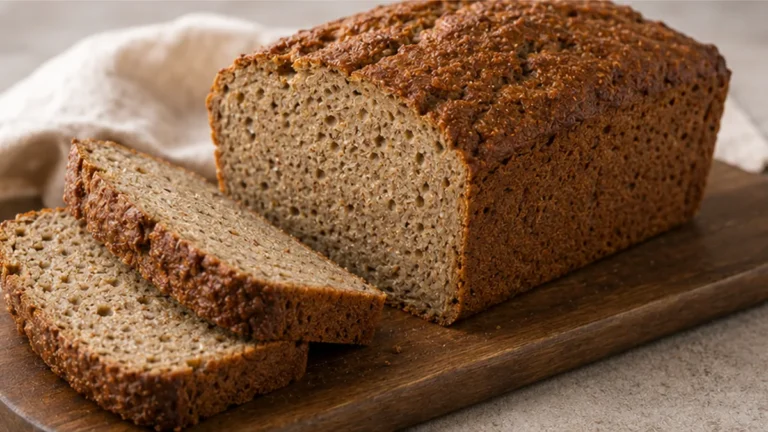
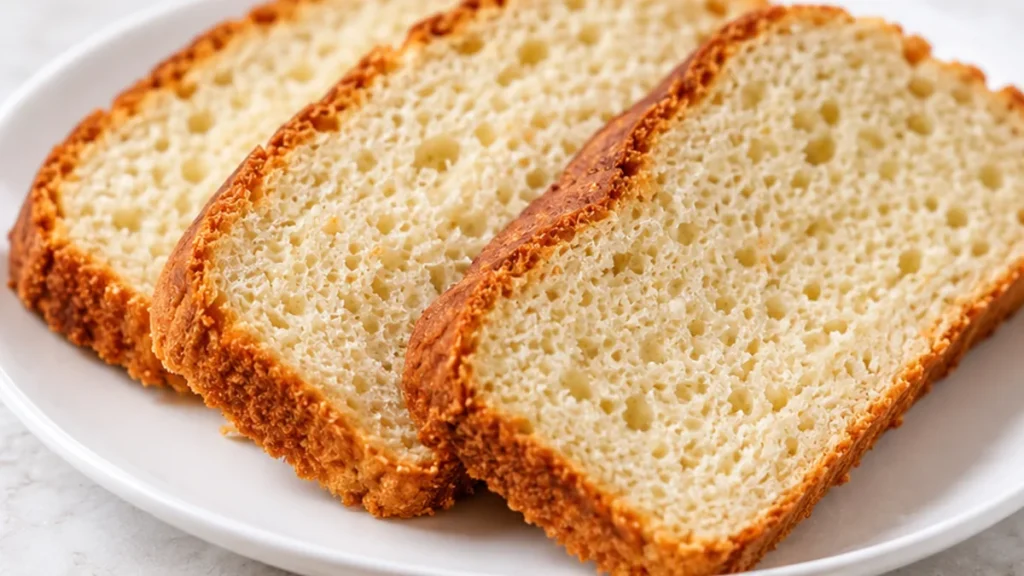
This fluffy gluten free potato bread is made with simple ingredients. It offers a soft texture and is perfect for sandwiches or toasting.
Key takeaways
- Potatoes enhance moisture and texture in gluten-free bread.
- Proper hydration and mixing are key to avoiding density issues.
- Ingredient swaps can change texture; balance is essential.
- This bread’s unique moisture content sets it apart from other gluten-free options.
Fluffy Gluten-Free Potato Bread Recipe
Ingredients
Instructions
- In a mixing bowl, combine the dry ingredients: gluten-free all-purpose flour, tapioca starch, xanthan gum, sugar, and instant yeast.
- Fold the mashed potatoes into the dry mixture until well combined.
- Add milk and eggs to the potato mixture. Use an electric hand mixer with a spiral attachment to blend until the dough is incorporated.
- Add the light olive oil and salt, mixing until the dough is fully mixed. The dough will be a bit wet and sticky.
- Transfer the dough to a prepared loaf pan, smoothing the top with a wet spatula. Cover with a kitchen towel and let rest for 45 minutes, or until doubled in size.
- Preheat the oven to 325°F (163°C). Bake the bread in the center of the oven for 45-50 minutes, or until golden brown.
- Allow the loaf to cool in the pan for 10 minutes, then transfer to a wire rack to cool completely for at least 30 minutes before slicing.
Understanding the Role of Potatoes in Gluten-Free Baking
Potatoes serve as a unique ingredient in gluten-free baking, particularly in this fluffy gluten-free potato bread. The starches in potatoes contribute to the bread’s moisture and texture, creating a light and airy crumb. When mashed or riced, potatoes can replace some of the flour, which improves the bread’s overall structure. The ideal ratio is about 200 grams of potatoes for every 250 grams of flour, ensuring that the bread remains fluffy without becoming dense.
Identifying Common Pitfalls in Potato Bread Preparation
One common issue when making fluffy gluten-free potato bread is the bread turning out too dense. This often results from insufficient hydration or overmixing the batter. To achieve the perfect texture, ensure that the dough is well-hydrated and only mixed until combined. Another pitfall is the bread not rising adequately, which may be due to expired yeast or incorrect oven temperature. Always check the yeast’s expiration date and use an oven thermometer to ensure accuracy.
Ingredient Alternatives and Their Effects on Texture
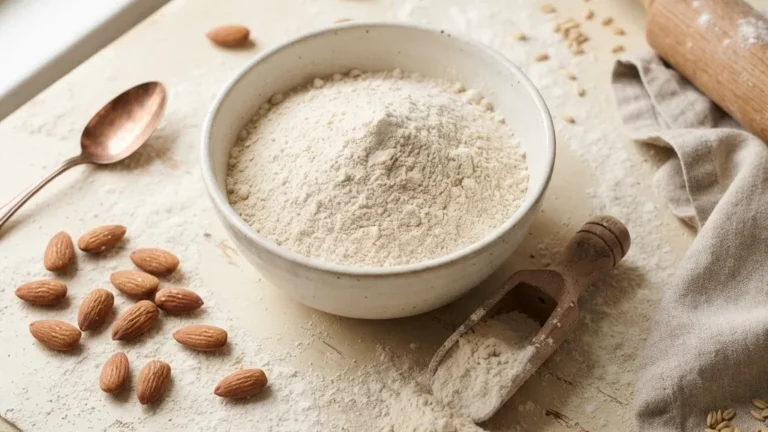
Swapping ingredients can significantly alter the texture and flavor of your bread. For example, replacing potato starch with tapioca flour can yield a chewier texture, while using almond flour can add richness but may result in a denser loaf. If you want to enhance the flavor, consider incorporating herbs or spices, but be cautious as they may also affect the bread’s rise. Maintaining a balance between flavor and texture is crucial for achieving the desired outcome.
Unique Characteristics of Gluten-Free Potato Bread
This fluffy gluten-free potato bread stands out due to its distinctive moisture content and flavor profile, which is not commonly found in other gluten-free breads. The use of potatoes not only enhances the texture but also provides a subtle sweetness that pairs wonderfully with both savory and sweet toppings. Unlike typical gluten-free breads that can be crumbly, this potato bread maintains a soft and pliable crumb, making it versatile for sandwiches or toast.
Understanding the Best Practices for Storing Fluffy Gluten-Free Potato Bread
Proper storage is essential for maintaining the texture and flavor of fluffy gluten-free potato bread. To keep the bread fresh, store it in an airtight container at room temperature for up to three days. For longer storage, freeze the bread by wrapping it tightly in plastic wrap and then placing it in a freezer bag. This method helps preserve moisture and prevents freezer burn. When ready to use, thaw the bread at room temperature or toast it directly from the freezer. Avoid refrigerating the bread, as this can lead to a dry texture.
How to Scale the Recipe for Different Serving Sizes
Scaling the fluffy gluten-free potato bread recipe is straightforward, allowing you to adjust the ingredients based on your needs. If you wish to double the recipe, simply multiply each ingredient by two, maintaining the same ratios. For smaller batches, halve the quantities. Remember that baking times may vary slightly depending on the size of the loaf. Always check for doneness by inserting a toothpick in the center; it should come out clean when the bread is fully baked. This flexibility makes it easy to prepare just the right amount for any occasion.
Choosing the Right Equipment for Optimal Results
Using the correct equipment can significantly influence the outcome of your fluffy gluten-free potato bread. A high-quality stand mixer is recommended for thorough mixing, ensuring that the ingredients are well combined and aerated. Additionally, a loaf pan with non-stick properties will facilitate easy removal of the bread after baking. If you are using a glass or ceramic pan, consider reducing the baking temperature by 10°C (20°F) to prevent over-browning. A kitchen scale is also beneficial for measuring ingredients accurately, especially when working with gluten-free flours that can vary in density.
Serving Suggestions and Pairing Ideas for Potato Bread
Fluffy gluten-free potato bread is versatile and can be paired with various toppings and side dishes. For a hearty breakfast, serve it toasted with avocado and poached eggs. At lunch, it complements soups and salads beautifully. For dinner, consider using it as a base for open-faced sandwiches topped with roasted vegetables or meats. The mild flavor of the bread allows it to shine alongside flavorful accompaniments, making it a delightful addition to any meal.
Understanding the Impact of Potato Variety on Bread Texture
The type of potatoes used can significantly influence the texture and flavor of gluten-free potato bread. Starchy potatoes, such as Russets, are ideal for achieving a light, fluffy texture due to their high starch content. Conversely, waxy potatoes, like red or new potatoes, contain more moisture and less starch, which can lead to a denser loaf. Aim for about 680 grams of starchy potatoes to achieve the best results. Additionally, the cooking method—baking versus boiling—can alter the moisture content. Boiling potatoes can introduce excess water, which may require adjustments in the dry ingredients to maintain the desired consistency.
How to Optimize Hydration for Fluffy Results
Hydration levels play a crucial role in gluten-free baking, particularly in potato bread. The ideal dough should be moist but not overly sticky. A good starting point is to use approximately 300 milliliters of liquid per 500 grams of flour. This ratio can vary based on the absorbency of the flour blend used. If the dough feels too dry, gradually add more liquid, about 15-30 milliliters at a time, until the desired consistency is reached. Conversely, if the dough is too wet, incorporate additional flour in small increments. Monitoring the hydration level is essential for achieving that coveted fluffy texture.
Techniques for Enhancing Flavor in Gluten-Free Potato Bread
Flavor enhancement in gluten-free potato bread can be achieved through various methods. Incorporating herbs, spices, or even roasted garlic can add depth to the bread’s taste. For a more pronounced flavor, consider using about 5 grams of salt in your dough, which not only enhances taste but also strengthens the gluten-free structure. Additionally, using a combination of different gluten-free flours, such as almond or coconut flour, can introduce unique flavors and textures. However, be mindful of the ratios; for every 100 grams of potato flour, you can substitute about 20-30 grams of another flour to maintain structural integrity while enhancing flavor.
Understanding the Effects of Ingredient Quality on Texture
The quality of your ingredients plays a crucial role in the final texture of fluffy gluten-free potato bread. For instance, using high-starch potatoes like Russets can yield a lighter and airier bread due to their ability to absorb moisture and create a fluffy structure. In contrast, waxy potatoes, such as red potatoes, may lead to a denser loaf. Additionally, the type of gluten-free flour blend you choose can significantly affect the bread’s texture. A blend that includes a higher proportion of starches, such as tapioca or potato starch, can enhance the lightness of the bread. Conversely, flours with more protein, like chickpea flour, may result in a heavier texture. Therefore, it’s essential to select quality ingredients that align with the desired outcome of your fluffy gluten-free potato bread.
Optimal Serving Techniques for Maximum Enjoyment
When it comes to serving fluffy gluten-free potato bread, presentation and temperature can enhance the overall experience. For the best flavor and texture, serve the bread warm. You can achieve this by lightly toasting slices just before serving, which adds a delightful crunch to the crust while keeping the interior soft. Pairing the bread with complementary spreads or toppings can elevate its taste. Consider serving with herb-infused butter, creamy avocado, or a tangy spread like hummus. Additionally, this bread pairs wonderfully with hearty soups or salads, making it a versatile option for various meals. Experimenting with different toppings and accompaniments can lead to exciting flavor combinations that highlight the unique qualities of the potato bread.
Understanding the Effects of Temperature on Dough Fermentation
The temperature at which you prepare your dough can significantly affect the fermentation process, crucial for achieving fluffy gluten-free potato bread. Ideally, the dough should be kept at a warm room temperature, around 24°C to 27°C (75°F to 80°F). This temperature range allows the yeast to activate efficiently, producing carbon dioxide that helps the dough rise. If the environment is too cold, fermentation slows down, resulting in denser bread. Conversely, if the dough gets too warm, it can over-ferment, leading to a collapse in structure. Monitoring the dough’s temperature during fermentation can ensure a light and airy texture in the final product.
Best Practices for Storing Leftover Potato Bread
Proper storage of leftover fluffy gluten-free potato bread is essential to maintain its texture and flavor. To store, allow the bread to cool completely, then wrap it tightly in plastic wrap or aluminum foil to prevent air exposure. For short-term storage, keep it at room temperature for up to two days. For longer preservation, consider freezing the bread. Slice it before freezing to make it easier to thaw individual pieces. When ready to use, thaw at room temperature or toast slices directly from the freezer for a freshly baked taste. Avoid refrigeration as it can dry out the bread and alter its fluffy texture.
Pro tips
Pro tip: Best served immediately while hot!
Frequently asked questions
Can I use sweet potatoes instead of regular potatoes?
Yes, sweet potatoes can be used as a substitute for regular potatoes, providing a sweeter flavor and a slightly different texture. However, they may require adjustments in the liquid content due to their higher moisture level.
Why did my bread not rise properly?
A lack of rise can be attributed to expired yeast or incorrect temperature. Always check the freshness of your yeast and ensure your oven is preheated to the correct temperature before baking.
How can I store leftover potato bread?
Store leftover potato bread in an airtight container at room temperature for up to three days. For longer storage, consider freezing slices wrapped in plastic wrap and then placed in a freezer bag.
What is the best way to reheat potato bread?
The best way to reheat potato bread is to slice it and toast it in a toaster or oven. This will help restore its fluffy texture and warm the bread without making it soggy.
More from Gluten-Free Bread & Baking →