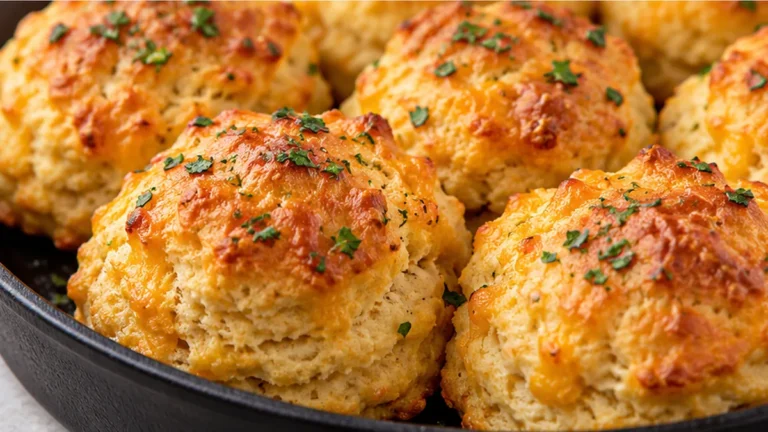
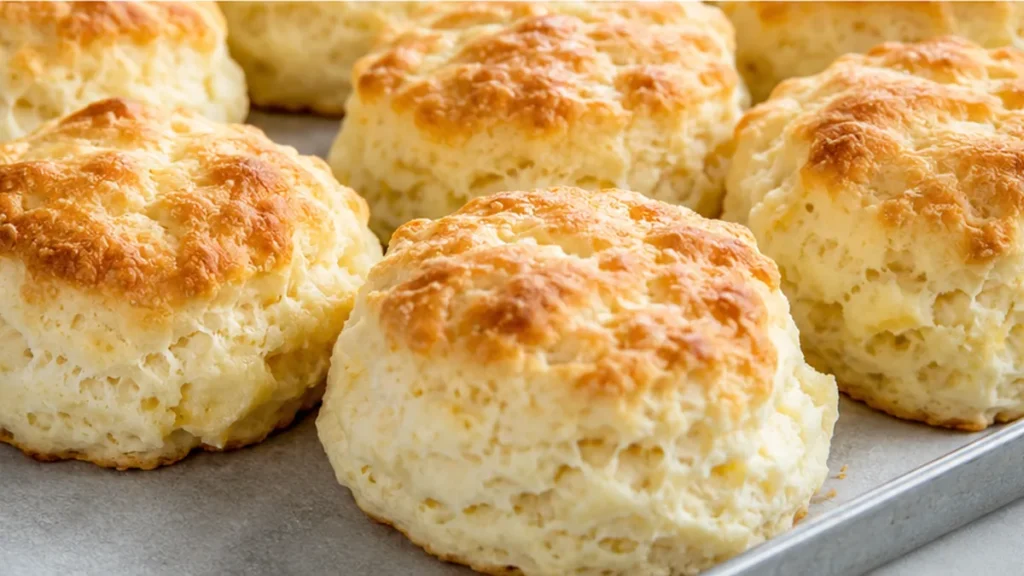
Gluten-free biscuits can be incredibly fluffy when the dough is handled gently and cold butter is used. This gluten-free biscuits recipe shows you how to achieve that coveted light texture without the gluten, making them accessible and delicious for everyone. Crafting gluten-free biscuits that rival traditional versions requires attention to detail, especially with the flour blend and the addition of xanthan gum for structure. This recipe simplifies the process, ensuring a tender crumb and golden crust.
Key takeaways
- Use gluten-free all-purpose flour and xanthan gum for the right texture.
- Buttermilk adds flavor and aids in rising, so use it at room temperature.
- Avoid overworking the dough to maintain fluffiness and lightness.
- Dust surfaces with gluten-free flour to prevent sticking during preparation.
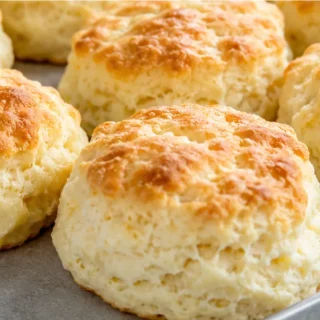
Fluffy Gluten-Free Buttermilk Biscuits
Ingredients
- 2 cups gluten-free all-purpose flour
- ½ tsp xanthan gum (leave out if your flour already contains it.)
- 1 tbsp gluten-free baking powder
- 1 tsp salt
- 2 tbsp granulated sugar
- 6 tbsp unsalted butter
- 1 cup buttermilk
- 1 large egg
- 2 tbsp gluten-free all-purpose flour for dusting
Instructions
- Preheat oven to 450°F (232°C).
- In a large bowl, whisk together the gluten-free flour, xanthan gum, baking powder, salt, and sugar until well combined.
- Cut the butter into small pieces and place in the freezer for 10 minutes to chill.
- Cut the chilled butter into the flour mixture with a pastry cutter or fork until the mixture resembles small peas.
- Add the buttermilk and whisked egg to the flour mixture and stir until a soft, sticky dough forms, being careful not to overmix.
- Lightly flour a large piece of parchment paper with 1 tablespoon of gluten-free flour.
- Place the dough on the floured parchment paper, dust the top with 1 tablespoon of flour, and gently fold the dough over itself twice.
- Form the dough into a round approximately 7 inches in diameter and 1 inch thick.
Video
Notes
The Role of Gluten-Free Flour in Biscuit Texture
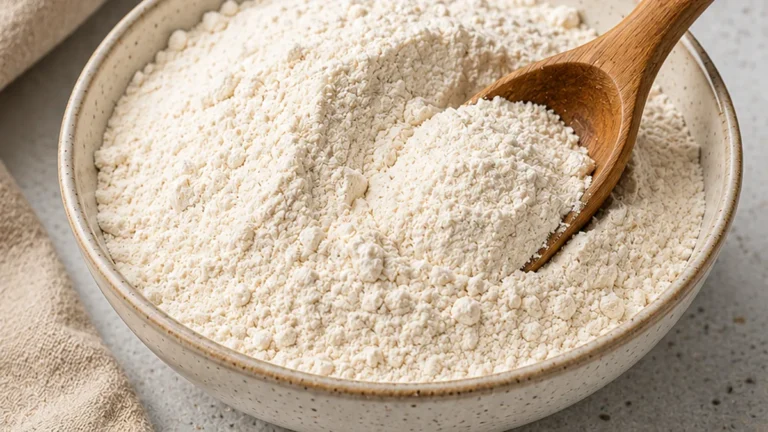
Using gluten-free all-purpose flour is essential for creating the right texture in these biscuits. Unlike traditional flour, gluten-free blends often contain a mix of starches and protein sources that mimic the structure gluten provides. The combination of 2 cups of gluten-free flour and ½ teaspoon of xanthan gum helps to replicate the elasticity and chewiness that gluten would normally contribute. This is crucial for achieving fluffy biscuits that rise well.
Understanding Buttermilk and Its Impact
Buttermilk not only adds a tangy flavor but also reacts with the baking powder to create carbon dioxide, which helps the biscuits rise. The acidity in buttermilk aids in the leavening process, enhancing the overall lightness of the biscuits. When using 1 cup of buttermilk, ensure it is at room temperature to promote better mixing and integration with the dry ingredients.
Common Mistakes and How to Avoid Them
- Too Dense Biscuits: This often occurs from overworking the dough. Mix just until combined to maintain a light texture.
- Flat Biscuits: Insufficient leavening agent can cause this. Ensure your baking powder is fresh and use the full 1 tablespoon specified.
- Dry Biscuits: If the dough is too dry, it can lead to a crumbly texture. Adjust by adding a little more buttermilk, one tablespoon at a time, until the dough is moist but not sticky.
- Sticking to the Surface: Dusting the work surface with gluten-free flour is crucial. Use the additional 2 tablespoons of flour to prevent the dough from sticking during rolling.
Ingredient Swaps and Their Effects
- Butter vs. Coconut Oil: Using coconut oil will yield a slightly different flavor and a denser biscuit due to its solid state at room temperature.
- Milk vs. Buttermilk: Substituting regular milk for buttermilk will result in a less tangy flavor and may not rise as high.
- Honey vs. Sugar: Replacing granulated sugar with honey will add moisture but may require reducing other liquids slightly to maintain the dough’s consistency.
Unique Characteristics of Gluten-Free Biscuits
What sets gluten-free buttermilk biscuits apart from their traditional counterparts is their ability to maintain moisture while still achieving a flaky texture. The absence of gluten allows for a lighter biscuit that can be customized with various flavors without becoming tough. This adaptability is a significant advantage for gluten-free baking.
How to Properly Store Leftover Biscuits for Maximum Freshness
To keep your gluten-free biscuits fresh, store them in an airtight container at room temperature for up to two days. For longer storage, wrap them tightly in plastic wrap or aluminum foil and place them in the freezer. They can last up to three months in the freezer. When ready to eat, reheat them in a 350°F (175°C) oven for about 10-15 minutes to restore their fluffy texture.
Scaling Your Biscuit Recipe: Adjusting Ingredients for Larger Batches
If you want to make a larger batch of gluten-free biscuits, simply multiply the ingredients by the desired factor. For instance, doubling the recipe requires 4 cups of gluten-free flour, 1 tsp of xanthan gum, etc. Keep in mind that baking powder should remain proportional, as too much can lead to a bitter taste. Maintain the same ratios to preserve the biscuit’s texture and flavor; otherwise, you may end up with dense or overly crumbly biscuits.
Essential Equipment for Perfectly Fluffy Biscuits
The right tools can significantly impact the outcome of your gluten-free biscuits. A quality mixing bowl, a pastry cutter or fork for incorporating butter, and a rolling pin are essential. A biscuit cutter ensures uniform shapes, which helps them bake evenly. Additionally, using a kitchen scale for measuring flour can enhance accuracy, especially since gluten-free flours can vary in density.
Seasonal Ingredients: How They Affect Your Biscuit’s Flavor and Texture
Using seasonal ingredients can elevate your gluten-free biscuits. For example, fresh herbs like chives or rosemary can add a fragrant touch, while seasonal fruits like blueberries or cranberries can provide sweetness. However, be cautious with moisture content; adding juicy fruits may require adjusting the amount of flour to avoid a soggy biscuit. Always consider the quality of your ingredients, as fresh, high-quality butter or buttermilk will yield a richer flavor.
How to Prepare Gluten-Free Biscuits in Advance
Making gluten-free buttermilk biscuits ahead of time can save you valuable minutes during busy mornings or gatherings. To prepare them in advance, follow these steps: After mixing your dough, shape it into biscuits and place them on a baking sheet lined with parchment paper. Freeze the unbaked biscuits for about 30 minutes until firm, then transfer them to an airtight container or freezer bag. When ready to bake, you can bake them directly from frozen, adding an extra 5-10 minutes to the baking time. This method preserves the texture and moisture of the biscuits while allowing for quick baking.
Understanding the Impact of Ingredient Quality on Biscuit Texture
The quality of your ingredients significantly affects the final texture of your gluten-free biscuits. For example, using fresh buttermilk contributes to a lighter, fluffier biscuit due to the active cultures that help with leavening. Similarly, the type of gluten-free flour can alter the outcome; blends containing almond flour or coconut flour will yield denser biscuits compared to those made with a blend of rice flour and tapioca starch. Always check the expiration dates on your baking powder and xanthan gum, as stale ingredients can hinder the rise and texture of your biscuits.
How to Scale Your Biscuit Recipe for Larger Gatherings
If you’re planning to serve a crowd, scaling your gluten-free biscuit recipe is straightforward. For every doubling of the recipe, maintain the same ratios of flour, fat, and liquids. For example, if you need 4 cups of flour instead of 2, simply double all other ingredients, including buttermilk and baking powder. However, be mindful of your mixing bowl size; a large bowl will allow for even mixing, which is crucial for achieving that fluffy texture. Additionally, consider baking in batches if your oven space is limited, as overcrowding can lead to uneven baking.
Pairing Suggestions for Perfectly Fluffy Biscuits
Gluten-free buttermilk biscuits are incredibly versatile and can be paired with a variety of toppings and dishes. For a classic approach, serve them warm with butter and homemade jam. For a heartier option, consider pairing them with savory dishes like sausage gravy or a rich stew. They also shine as a side to breakfast items such as scrambled eggs or fresh fruit. Experimenting with different toppings, like honey or herb-infused butter, can elevate your biscuit experience, making them suitable for both sweet and savory palettes.
Understanding the Role of Temperature in Baking Gluten-Free Biscuits
Temperature plays a crucial role in achieving the perfect fluffy texture of gluten-free biscuits. The butter should be cold when incorporated into the flour mixture. Cold butter helps create steam during baking, which leads to a flaky texture. Ideally, the butter should be around 40°F (4°C). Additionally, the buttermilk should also be chilled, as this keeps the batter from becoming too warm, which can affect the rise. Preheating your oven to 425°F (220°C) ensures that the biscuits start cooking immediately, promoting a good rise and browning.
The Importance of Proper Folding Techniques for Gluten-Free Biscuit Dough
When it comes to gluten-free biscuits, the folding technique is vital to achieving a light, airy texture. Overworking the dough can lead to dense biscuits, as gluten-free flour lacks the elasticity of traditional wheat flour. After mixing the wet and dry ingredients, gently fold the dough with a spatula until just combined. Aim for a few strokes, just until no dry flour remains. This method helps create layers without developing too much density. If you notice the dough is too sticky, lightly dust your hands and the work surface with the additional gluten-free flour to manage it without overworking.
Why proper ingredient temperature is crucial for fluffy gluten-free biscuits
The temperature of your ingredients plays a significant role in achieving the perfect texture for gluten-free biscuits. Cold butter creates steam when baked, leading to flaky layers. Aim for your butter to be around 40°F (4°C) when cutting it into the flour mixture. The buttermilk and egg should also be cold, typically around 50°F (10°C). This temperature contrast helps the biscuits rise properly. If the ingredients are too warm, the butter will melt before the biscuits go into the oven, resulting in a denser texture. Conversely, if they are too cold, the dough may not come together well, affecting the final outcome. Aiming for the right temperatures can make all the difference in achieving those light, fluffy biscuits.
Why overmixing can ruin your gluten-free biscuits
Overmixing is a common pitfall when making gluten-free biscuits, as it can lead to a tough texture rather than the desired lightness. Gluten-free flours lack the elasticity of wheat flour, and overmixing can cause the dough to become dense. When combining your dry and wet ingredients, mix just until the flour is incorporated. This should take no more than 30 seconds to 1 minute. A gentle folding technique is recommended, allowing the ingredients to come together without overworking the dough. If you notice lumps, it’s okay; these will bake out during cooking. Remember, the goal is to maintain the airiness of the dough, which is essential for achieving fluffy gluten-free biscuits.
Pro tips
- Keep all your ingredients, especially the butter and buttermilk, as cold as possible to achieve the flakiest gluten-free biscuits. This prevents the butter from melting too quickly.
- Do not overmix the dough. Overworking gluten-free dough can make the biscuits tough. Mix just until combined and still a bit sticky.
- For a perfect rise and tender interior, avoid rolling the dough with a rolling pin. Instead, gently pat and fold the dough with your hands, as described in the recipe, to create layers.
These gluten-free buttermilk biscuits are a testament to how delicious gluten-free baking can be. Serve them warm with your favorite toppings and enjoy a taste of pure comfort. Share your creations with us!
Frequently asked questions
Can I use regular flour instead of gluten-free flour?
No, this recipe is specifically designed for gluten-free flour. Regular flour contains gluten, which would alter the texture and rise of the biscuits.
What can I use if I don’t have buttermilk?
You can substitute buttermilk with a mixture of milk and vinegar or lemon juice. Use 1 cup of milk and add 1 tablespoon of vinegar or lemon juice, letting it sit for 5-10 minutes before using.
How do I store leftover biscuits?
Store leftover biscuits in an airtight container at room temperature for up to 2 days. For longer storage, freeze them in a sealed bag for up to 3 months.
Why are my biscuits not rising?
If your biscuits are not rising, check the freshness of your baking powder. Old or expired baking powder will not create the necessary leavening gas, resulting in flat biscuits.
More from Gluten-Free Breakfast & Brunch →