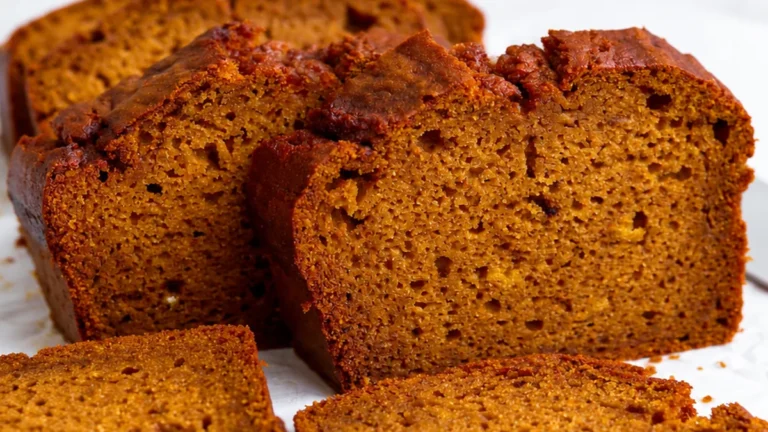
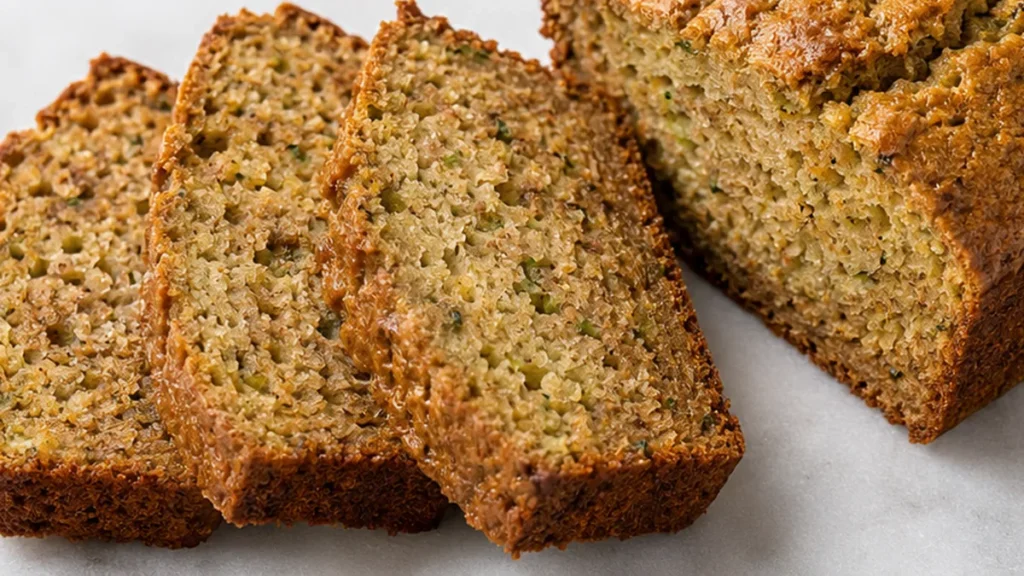
The key to an incredibly moist gluten-free zucchini bread lies in the balance of wet ingredients and the type of gluten-free flour blend used. This recipe focuses on creating that perfect tender crumb without any gumminess, making it a staple for anyone avoiding gluten. Zucchini bread is a fantastic way to use up garden zucchini, transforming it into a comforting treat. This version is designed to be effortlessly delicious, proving that gluten-free baking can be just as satisfying, if not more so, than traditional recipes.
Key takeaways
- Properly balance wet and dry ingredients for moisture.
- Gently press zucchini to avoid excess liquid.
- Use a quality gluten-free flour blend for best texture.
- Ensure leavening agents are fresh for proper rise.
Moist Gluten-Free Zucchini Bread
Ingredients
- 3 large eggs, room temperature
- 1/3 cup white sugar
- 1/2 cup brown sugar, packed
- 1/2 cup vegetable oil (or oil of choice)
- 1 teaspoon gluten-free vanilla extract
- 2 cups gluten-free flour blend (I use Bob’s Red Mill 1-to-1 or Ryze Gluten Free Flour)
- 1 teaspoon salt
- 1/2 teaspoon baking soda
- 1/2 teaspoon gluten-free baking powder
- 1 medium shredded zucchini (about 2 cups), gently pressed between paper towels
- 1/2 cup chocolate chips (optional)
Instructions
- Preheat the oven to 350°F; lightly grease four mini loaf pans, or one 8 1/2″ x 4 1/2″ metal loaf pan; set aside.
- In a large mixing bowl, beat the eggs, sugars, oil, and vanilla until smooth.
- Add the flour, salt, baking soda, baking powder, and mix until well combined.
- Stir in the shredded zucchini and chocolate chips (optional).
- Pour the batter into the prepared mini loaf pans, or larger loaf pan.
- For mini loafs, bake for 30-35 minutes or until the center is set. For the larger loaf pan, bake for 45-50 minutes, or until the center sets.
- Remove the bread from the oven, and let it cool for 10 minutes in the pan. Finish cooling on a wire rack.
- Once cooled, slice and serve.
- description
Video
Notes
The technique that makes it
The key to achieving a moist gluten-free zucchini bread lies in the proper balance of wet and dry ingredients, as well as the handling of the zucchini. The moisture from the shredded zucchini not only adds flavor but also contributes to the bread’s overall texture. It’s important to gently press the shredded zucchini between paper towels to remove excess liquid, preventing the bread from becoming soggy. The combination of eggs and oil creates an emulsion that helps bind the ingredients together, ensuring a tender crumb. Additionally, using a gluten-free flour blend that mimics the properties of traditional flour is crucial. This helps to achieve a similar texture and rise. The leavening agents—baking soda and baking powder—work together to provide lift, while the sugars caramelize during baking, enhancing flavor and color.
Troubleshooting
- Issue: Zucchini bread is too dense.
Fix: Ensure you are using a proper gluten-free flour blend and not overmixing the batter, as overmixing can lead to a dense texture. - Issue: Bread is too dry.
Fix: Make sure to measure the zucchini correctly and press it gently to remove excess moisture. Adding a bit more oil can also help retain moisture. - Issue: Bread is soggy.
Fix: Ensure you have pressed the zucchini adequately to remove excess water. Also, check your oven temperature; baking at a lower temperature for a longer time can help. - Issue: Bread doesn’t rise.
Fix: Make sure your baking powder and baking soda are fresh, as expired leavening agents can prevent proper rising.
Substitutions
- Eggs: Use 1/4 cup unsweetened applesauce per egg for a vegan option, maintaining moisture and binding.
- Vegetable oil: Substitute with melted coconut oil for a richer flavor and similar moisture content.
- Gluten-free flour blend: Use almond flour or oat flour for a different flavor profile, but be aware that this may alter the texture.
- Chocolate chips: Replace with chopped nuts or dried fruits for added texture and flavor without the sweetness of chocolate.
Pro tips
- Don’t overmix the batter once the flour is added; mix just until combined to ensure a tender loaf.
- For perfectly shredded zucchini, use the large holes of a box grater. Gently press out excess water with paper towels, but don’t wring it dry—some moisture is good.
- If the top browns too quickly, tent the loaf pan loosely with foil during the last 15-20 minutes of baking.
- Store leftover zucchini bread tightly wrapped at room temperature for up to 3 days, or refrigerate for up to a week. It also freezes well for up to 3 months.
This gluten-free zucchini bread is sure to become a cherished recipe in your kitchen. Enjoy a slice with your morning coffee or as a satisfying afternoon treat. Don’t hesitate to experiment with additions like nuts or spices!
Frequently asked questions
Can I use regular flour instead of gluten-free flour?
Using regular flour will change the recipe significantly, as it contains gluten which affects the structure and texture of the bread. This recipe is specifically designed for gluten-free ingredients.
How do I store leftover zucchini bread?
Store leftover zucchini bread in an airtight container at room temperature for up to 3 days. For longer storage, refrigerate it for up to a week or freeze slices for up to 3 months.
Can I add other ingredients to the zucchini bread?
Absolutely! You can customize your zucchini bread by adding nuts, dried fruits, or spices like cinnamon and nutmeg to enhance the flavor and texture.
Why is my zucchini bread not rising?
If your zucchini bread is not rising, it could be due to expired baking powder or baking soda. Always check the freshness of your leavening agents before baking.
More from Gluten-Free Bread & Baking →