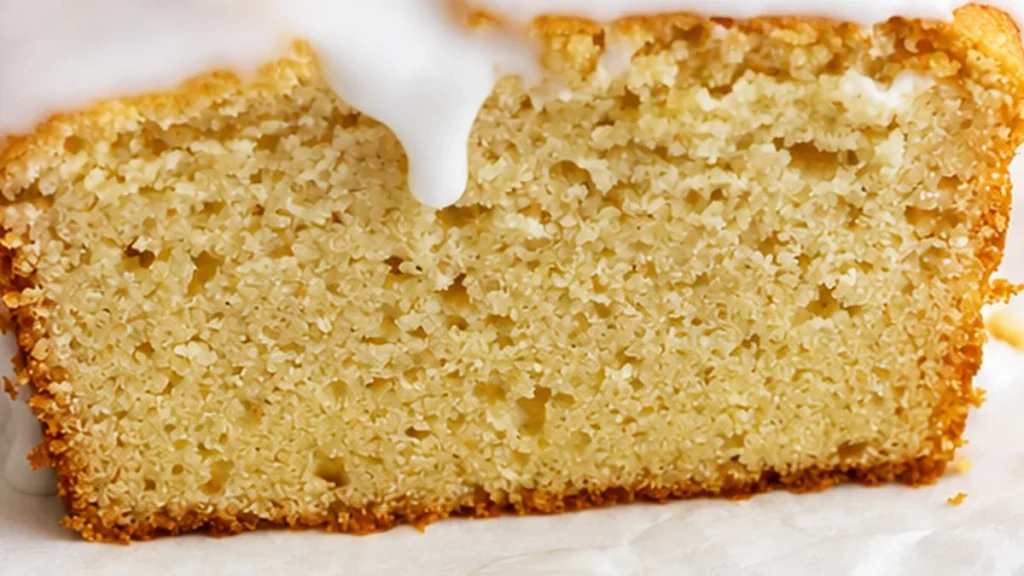
This refreshing gluten free iced lemon loaf combines almond flour and fresh lemons for a zesty treat. It’s a simple recipe that yields a moist, flavorful cake.
Key takeaways
- Achieve a balance of sweetness and tartness for the best flavor.
- Use the right gluten-free flour blend to achieve a tender texture.
- Avoid overmixing to prevent a dense loaf.
- Control oven temperature for optimal baking results.
Refreshing Gluten-Free Iced Lemon Loaf!
Ingredients
Instructions
- Preheat oven to 350°F. Grease and line a loaf pan with parchment paper.
- In a large bowl, whisk sugar and eggs until light and frothy, about 1 minute.
- Add milk, butter, lemon juice, lemon zest, and vanilla to the egg mixture and whisk until smooth.
- Add the gluten-free flour, baking powder, and salt. Gradually stir in the dry ingredients until just combined. Do not overmix.
- Pour the batter into the prepared loaf pan and smooth the top.
- Bake for 45–50 minutes, or until a toothpick inserted in the center comes out clean.
- Let the loaf cool in the pan for 10 minutes, then transfer to a wire rack to cool completely.
- For the icing, whisk powdered sugar, lemon juice, and salt until smooth. Drizzle over the cooled loaf.
Understanding the Balance of Sweetness and Tartness
The key to a successful gluten-free iced lemon loaf lies in achieving the perfect balance between sweetness and tartness. The lemon juice and zest provide acidity, which brightens the flavor profile, while the sugar counteracts this acidity. A typical ratio for lemon to sugar in baked goods is about 1:2, ensuring the loaf is refreshing without being overwhelmingly tart. This balance is crucial for a delightful taste experience.
The Role of Gluten-Free Flours in Texture
Gluten-free flours behave differently than traditional wheat flour, impacting the loaf’s texture. Common gluten-free options include almond flour, coconut flour, and gluten-free all-purpose flour blends. Each type has its unique properties: almond flour adds moisture and richness, while coconut flour is highly absorbent and requires additional liquid. The right blend can help achieve a moist, tender crumb similar to a traditional lemon loaf.
Why Overmixing Can Ruin Your Loaf
Overmixing the batter can lead to a dense, gummy texture, which is particularly problematic in gluten-free baking. This occurs because gluten-free flours lack the elasticity provided by gluten. To avoid this, mix the batter just until the ingredients are combined. Aim for a slightly lumpy batter, as this will yield a lighter loaf that rises properly during baking.
Temperature Control for Perfect Baking
Temperature plays a crucial role in the baking process. Preheat your oven to 350°F (175°C) for optimal results. A well-heated oven ensures that the loaf rises correctly and develops a golden crust. Using an oven thermometer can help maintain consistent temperature, as many home ovens can be off by as much as 25°F (14°C). Additionally, allow your loaf to cool in the pan for 10 minutes before transferring it to a wire rack, which prevents sogginess.
Common Issues and Their Solutions
- Problem: Loaf is too dense.
- Cause: Overmixing the batter or using too much coconut flour.
- Fix: Mix only until combined and consider reducing the coconut flour or adding more liquid.
- Problem: Icing is too runny.
- Cause: Too much liquid in the icing mixture.
- Fix: Gradually add more powdered sugar to thicken the icing.
- Problem: Loaf is dry.
- Cause: Overbaking or insufficient moisture.
- Fix: Check for doneness a few minutes early and consider adding an extra egg or yogurt for moisture.
- Problem: Flavor is too bland.
- Cause: Insufficient lemon zest or juice.
- Fix: Increase the amount of lemon zest or add a splash of lemon extract for a more pronounced flavor.
How to Properly Store Your Iced Lemon Loaf for Maximum Freshness
To maintain the freshness of your gluten-free iced lemon loaf, proper storage is essential. After cooling, wrap the loaf tightly in plastic wrap or aluminum foil to prevent moisture loss. For longer storage, consider placing it in an airtight container. This method helps retain the loaf’s moisture and flavor. Refrigeration can extend its shelf life to about one week, while freezing can preserve it for up to three months. When ready to enjoy, thaw in the refrigerator overnight and bring to room temperature before serving.
Scaling the Recipe: Adjusting Ingredients for Different Batch Sizes
If you want to scale your gluten-free iced lemon loaf recipe, understanding the ratios of ingredients is crucial. For instance, if doubling the recipe, maintain the same proportions of flour to sugar to ensure the texture remains consistent. Adjust baking time slightly, as a larger loaf may require additional time in the oven. Conversely, if halving the recipe, be cautious with the baking time, as smaller loaves may bake faster. Always check for doneness by inserting a toothpick in the center; it should come out clean.
Choosing the Right Equipment for Optimal Baking Results
The equipment you use can significantly affect the outcome of your iced lemon loaf. A light-colored, non-stick loaf pan is recommended to ensure even baking and prevent over-browning. Avoid dark pans, as they can absorb more heat and lead to a crust that is too dark before the inside is fully cooked. Additionally, using a kitchen scale for measuring ingredients can enhance accuracy, especially when working with gluten-free flours, which can vary in density. An oven thermometer can also help ensure your oven is at the correct temperature for baking.
Seasonal Ingredients and Their Impact on Flavor
Using seasonal ingredients can elevate the flavor profile of your gluten-free iced lemon loaf. Fresh lemons in the spring and summer are typically juicier and more aromatic than those available in winter, resulting in a more vibrant lemon flavor. Additionally, consider incorporating seasonal herbs like thyme or rosemary for a unique twist. These herbs can complement the lemon’s brightness and add depth to the loaf. Adjusting the sugar based on the tartness of your lemons can also enhance the overall balance of flavors.
How to Prepare Your Iced Lemon Loaf in Advance
Making your gluten-free iced lemon loaf ahead of time can be a great way to save effort on busy days. The loaf can be baked, cooled, and wrapped tightly in plastic wrap or aluminum foil. When stored at room temperature, it will remain fresh for up to three days. For longer storage, consider freezing the loaf. To freeze, wrap it well and place it in an airtight container or a heavy-duty freezer bag. When ready to serve, thaw it overnight in the refrigerator. This method preserves the loaf’s moisture and flavor. The icing can be made in advance as well; simply store it in the refrigerator in an airtight container. When ready to serve, allow the icing to come to room temperature and drizzle it over the loaf for a fresh finish.
Adjusting Baking Times and Temperatures for Different Equipment
Different ovens and baking pans can significantly affect the outcome of your gluten-free iced lemon loaf. For instance, if you’re using a glass loaf pan instead of metal, you may need to reduce the baking temperature by about 25°F (approximately 15°C) to prevent over-browning. Similarly, if your oven runs hot, consider using an oven thermometer to ensure accurate temperature readings. The baking time may also vary based on the pan’s material and size; check for doneness a few minutes before the recommended time by inserting a toothpick into the center. If it comes out clean or with a few moist crumbs, the loaf is ready.
Serving Suggestions and Flavor Pairings for Your Lemon Loaf
This refreshing gluten-free iced lemon loaf pairs beautifully with a variety of accompaniments. For a delightful afternoon tea, consider serving it with a dollop of whipped cream or a scoop of vanilla ice cream, which balances the tartness of the lemon. Fresh berries, such as strawberries or blueberries, can add a burst of flavor and color on the plate. For a more sophisticated touch, drizzle a raspberry or elderflower sauce over the top. Additionally, a light herbal tea or a sparkling water infused with lemon and mint complements the loaf’s citrusy notes and enhances the overall experience.
How to Achieve the Perfect Icing Consistency for Your Lemon Loaf
The icing on your gluten-free iced lemon loaf is crucial for achieving that refreshing flavor and appealing finish. The ideal icing should be smooth and pourable, yet thick enough to hold its shape on the loaf. For a successful icing, use powdered sugar as your base, which dissolves easily and creates a silky texture. A typical ratio is 2 cups of powdered sugar to 2-3 tablespoons of freshly squeezed lemon juice. If the icing is too thick, add lemon juice a teaspoon at a time until you reach the desired consistency. Conversely, if it becomes too runny, add more powdered sugar to thicken it up. Temperature also plays a role; using room temperature ingredients will help create a smoother icing.
Understanding the Role of Fresh Ingredients in Flavor Development
The quality and freshness of your ingredients significantly impact the flavor profile of your gluten-free iced lemon loaf. Fresh lemons provide a vibrant zest and juice that enhance the loaf’s overall brightness. When selecting lemons, look for ones that are firm and heavy for their size, as these typically contain more juice. Additionally, using fresh baking powder ensures the loaf rises properly, contributing to its light and airy texture. If using gluten-free flour blends, check for freshness as well; older flours may have a stale taste that can detract from the loaf’s flavor. For the best results, aim to use fresh ingredients whenever possible, as they will elevate your dish beyond the ordinary.
Pro tips
Pro tip: Best served immediately while hot!
Frequently asked questions
Can I use regular flour instead of gluten-free flour?
This recipe is specifically designed for gluten-free flour. Using regular flour will alter the texture and may not yield the desired results.
How can I store the iced lemon loaf?
Store the iced lemon loaf in an airtight container at room temperature for up to 3 days. For longer storage, freeze it without icing for up to 3 months.
Can I make this loaf ahead of time?
Yes, you can make the loaf a day in advance. Just ensure it is completely cooled before icing and storing it in an airtight container.
What can I substitute for lemon juice?
If you need a substitute for lemon juice, you can use lime juice or a mixture of vinegar and water. However, this will change the flavor profile of the loaf.
More from Gluten-Free Bread & Baking →