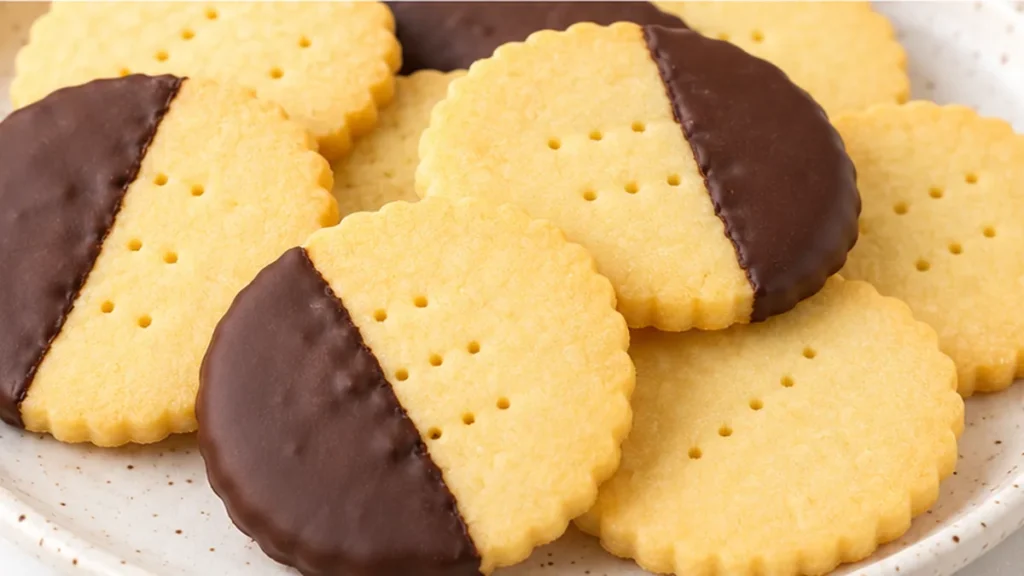
Gluten free shortbread cookies offer a simple way to enjoy a classic treat, using almond flour for a unique texture. Enjoy them with tea or as a snack.
Key takeaways
- Use softened butter for the right texture.
- Avoid overmixing to prevent tough cookies.
- Experiment with gluten-free flour blends for the best results.
- Consider temperature control for optimal baking outcomes.
Gluten-Free Shortbread Cookies
Ingredients
Instructions
- Preheat oven to 325°F (163°C). Line a baking sheet with parchment paper.
- In a large bowl, beat the butter with an electric mixer until smooth and creamy.
- Add the powdered sugar, vanilla extract, and salt. Mix until fully combined.
- Gradually add half the gluten-free flour, mixing until blended. Then add the remaining flour and mix until a soft, crumbly dough forms.
- Bring the dough together into a ball with a spatula or your hands.
- On a lightly floured surface, roll out the dough to just over 1/4-inch thickness. Cut into shapes using a 2 1/4-inch cookie cutter.
- Transfer cookies to the prepared baking sheet, spacing them about 1-inch apart. Pierce each cookie with a fork.
- Bake for 15 minutes, or until lightly golden.
Understanding the Role of Temperature in Baking Shortbread
Temperature plays a crucial role in the texture and flavor of gluten-free shortbread cookies. When butter is at the right temperature, it can create a light, crumbly texture. Ideally, butter should be softened to around 20-22°C (68-72°F) to ensure proper creaming with sugar. If the butter is too warm, the cookies may spread too much, resulting in flat, greasy cookies. Conversely, if the butter is too cold, it won’t incorporate well, leading to dense cookies. Aim for a baking temperature of 160°C (320°F) for a gentle bake that allows the cookies to set without browning too quickly.
Identifying Common Mistakes in Gluten-Free Shortbread Preparation
One common mistake when making gluten-free shortbread is using the wrong type of gluten-free flour. Not all gluten-free flours behave the same way; for example, a blend containing xanthan gum can help mimic the texture of traditional flours. If your cookies crumble apart, this could indicate insufficient binding. Additionally, overmixing the dough can lead to tough cookies; it’s essential to mix just until combined. If your dough feels too dry, consider adding a tablespoon of milk or water to bring it together without compromising the texture.
Ingredient Substitutions and Their Effects on Texture
Substituting ingredients in gluten-free shortbread can yield varying results. For instance, swapping regular butter for a dairy-free alternative can affect both flavor and texture. Coconut oil can provide a similar fat content but may impart a subtle coconut flavor. If you replace sugar with a sugar substitute, be aware that this can alter sweetness and moisture levels. For a more tender cookie, consider using a combination of almond flour and a starch like cornstarch, which can enhance the cookie’s crumb.
Unique Characteristics of Gluten-Free Shortbread Cookies
What sets gluten-free shortbread cookies apart is their distinct crumbly texture, which can be achieved through the right blend of flours and fats. Unlike traditional shortbread, which relies on gluten for structure, gluten-free versions depend on the right ratios of fat to flour. This allows for a melt-in-your-mouth experience that is often enhanced by the use of almond flour, which contributes a nutty flavor and a delicate crumb. Additionally, the absence of gluten means that these cookies can remain tender and not become tough, provided they are not overmixed.
Understanding the Impact of Ingredient Quality on Gluten-Free Shortbread
The quality of the ingredients used in gluten-free shortbread cookies significantly affects the final product. For instance, using high-quality butter can enhance the flavor and texture, while subpar butter may lead to a greasy or bland cookie. Additionally, the type of gluten-free flour blend is crucial; blends that include xanthan gum or guar gum can provide better structure and chewiness. When selecting flours, consider those made from almond, coconut, or a mix of gluten-free grains, as they can alter the flavor profile and texture. Freshness also plays a role; stale ingredients can impart off-flavors and affect the cookie’s rise and crumb.
Scaling Your Batch for Gluten-Free Shortbread Cookies
When scaling the recipe for gluten-free shortbread cookies, it’s important to maintain the same ratios of fat, sugar, and flour to achieve the desired consistency. For instance, if doubling the batch, ensure that the butter remains at a 1:2 ratio with sugar and flour. However, keep in mind that larger batches may require slight adjustments in baking time. Monitor the cookies closely, as they may need an additional few minutes in the oven. Also, consider the mixing time; over-mixing can lead to a denser texture, so mix just until combined. Scaling can also affect how the dough is chilled, as larger quantities may require more time to cool.
Optimal Equipment for Baking Gluten-Free Shortbread Cookies
The equipment used in baking gluten-free shortbread cookies can greatly influence the outcome. A high-quality baking sheet, preferably light-colored, helps prevent over-browning, while parchment paper can aid in easy removal and prevent sticking. Additionally, using a stand mixer or hand mixer ensures that the butter is creamed properly, creating a light and airy texture. A rolling pin with adjustable thickness rings can help achieve uniform cookie thickness, which is important for even baking. A digital kitchen scale is also recommended for accuracy, especially when measuring gluten-free flours, as their density can vary.
Seasonal Pairings and Serving Suggestions for Gluten-Free Shortbread
Gluten-free shortbread cookies can be paired with various seasonal flavors and ingredients to enhance their appeal. In the fall, consider incorporating spices like cinnamon or nutmeg for a warm flavor profile. During the holidays, they can be served alongside cranberry or orange zest for a festive touch. For a summer treat, pair the cookies with fresh berries or a light lemon glaze. When serving, consider presenting the cookies on a decorative platter with a selection of dips, such as chocolate ganache or fruit compote, to elevate the experience. These pairings not only enhance the flavor but also add visual interest to your dessert table.
Understanding the Best Practices for Storing Gluten-Free Shortbread Cookies
Proper storage of gluten-free shortbread cookies is crucial to maintain their texture and flavor. These cookies are best stored in an airtight container at room temperature for up to a week. For longer storage, consider freezing them. Wrap each cookie individually in plastic wrap and place them in a freezer-safe bag. They can last up to three months in the freezer. When ready to enjoy, simply thaw them at room temperature for about 30 minutes. This method helps preserve their crumbly texture and buttery flavor, ensuring they remain delightful even after storage.
How Ingredient Quality Affects Gluten-Free Shortbread Texture
The quality of ingredients used in gluten-free shortbread cookies can significantly impact their final texture and taste. For instance, using high-quality butter can enhance the richness and moisture of the cookies, while inferior butter may lead to a dry or bland result. Similarly, the type of gluten-free flour blend used can alter the texture; blends containing xanthan gum or guar gum typically yield a more cohesive dough. Always opt for fresh ingredients, as stale flour or expired baking soda can compromise the baking process. Understanding these nuances allows for better control over the final product.
Adjusting Baking Times Based on Equipment Variations
Different baking equipment can affect the outcome of gluten-free shortbread cookies. For example, using a convection oven may require a reduction in baking time by 10-15% due to more efficient heat circulation. If using a dark or non-stick baking sheet, cookies may brown faster, necessitating a lower temperature or shorter baking duration. Conversely, if using a glass pan, you might need to increase the baking time slightly. Monitoring cookies closely during the last few minutes of baking is essential, as gluten-free dough can go from perfectly baked to overdone quickly.
Understanding the Make-Ahead Benefits for Gluten-Free Shortbread Cookies
Making gluten-free shortbread cookies ahead of time can be advantageous for both flavor development and convenience. The dough can be prepared and stored in the refrigerator for up to a week. Chilling the dough allows the flavors to meld, resulting in a richer taste. When ready to bake, simply slice the chilled dough into cookies and bake as directed. Alternatively, the dough can be frozen for up to three months. To freeze, wrap the dough tightly in plastic wrap and place it in an airtight container or freezer bag. When you are ready to bake, thaw the dough in the refrigerator overnight before slicing and baking. This method not only saves time but also ensures that you have freshly baked cookies on hand whenever you desire.
How to Adjust for Different Equipment When Baking Shortbread Cookies
Not all ovens and baking sheets are created equal, and understanding how to adjust for your specific equipment can greatly affect the outcome of gluten-free shortbread cookies. For instance, if using a convection oven, reduce the baking temperature by about 20°C (or 25°F) to prevent over-browning. Additionally, if your baking sheets are dark, they may absorb more heat, causing the cookies to bake faster. In this case, keep a close eye on the cookies, checking for doneness a few minutes earlier than the recipe suggests. Using parchment paper can also help with even baking and prevent sticking. If your cookies are browning too quickly, consider rotating the baking sheet halfway through the baking time for even heat distribution. These small adjustments can ensure that your gluten-free shortbread cookies turn out perfectly every time.
Pro tips
Pro tip: Best served immediately while hot!
Frequently asked questions
What is the best gluten-free flour for shortbread cookies?
A blend of almond flour and a starch like cornstarch works well for gluten-free shortbread, providing a tender crumb and rich flavor. Avoid using a single type of flour, as it may not yield the desired texture.
How can I prevent my cookies from spreading too much?
Ensure your butter is at the correct temperature and chill the dough for at least 30 minutes before baking. This helps solidify the fat, reducing spread during baking.
Can I make these cookies dairy-free?
Yes, you can substitute regular butter with coconut oil or a dairy-free butter alternative. Be mindful that this may change the flavor and texture slightly.
Why are my gluten-free shortbread cookies too crumbly?
If your cookies are too crumbly, it may be due to insufficient fat or moisture. Adding a small amount of milk or water can help bind the dough together without compromising the texture.
More from Gluten-Free Desserts & Sweets →