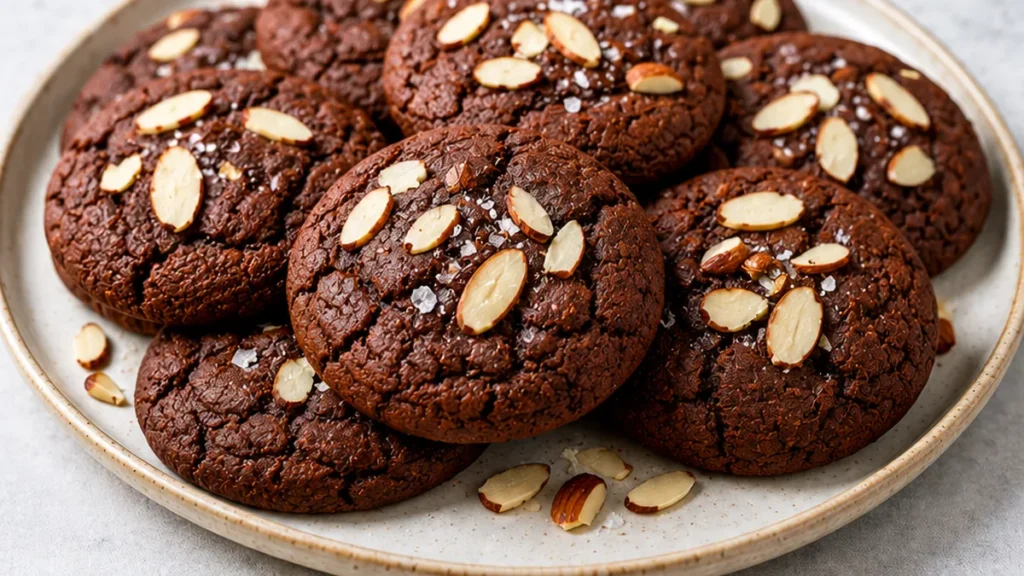
These chocolate almond flour cookies are a real upgrade for anyone seeking a decadent, gluten-free treat. Combining the deep flavor of cocoa with the tender texture of almond flour and the richness of butter and coconut oil, this recipe delivers a truly satisfying cookie experience. Perfect for baking beginners and seasoned pros alike, you’ll find yourself returning to this simple yet exquisite recipe again and again. Forget dry, crumbly gluten-free baked goods; these chocolate cookies are moist, fudgy, and bursting with chocolatey goodness. The chilling step is key to achieving perfect shapes and a delightful chew, ensuring your cookies look as good as they taste. Get ready to impress yourself and your loved ones with these exceptional chocolate cookies.
Key takeaways
- Cream softened, not melted, fats for optimal texture.
- Balance almond and coconut flours carefully; avoid overmixing.
- Chill dough to prevent excessive spreading and greasiness.
- Use quality cocoa powder and salt to enhance chocolate flavor.
Irresistible Chocolate Almond Cookies (GF!)
Ingredients
- 1/2 cup butter (softened)
- 1/4 cup coconut oil (softened (not melted))
- 1/3 cup brown sugar (packed)
- 1/2 cup cane sugar
- 2 eggs
- 2 teaspoons vanilla
- 2 cups almond flour
- 1/2 cup coconut flour
- 1/2 cup cocoa powder
- 1/2 teaspoon salt
Instructions
- In a stand mixer bowl, cream together softened butter, coconut oil, brown sugar, and cane sugar until fluffy, about 2 minutes.
- Add the eggs and vanilla extract, mixing for 1 minute until smooth and well combined.
- Add almond flour, coconut flour, cocoa powder, and salt. Mix on low speed until just combined, then increase to medium for 1-2 minutes until the dough is smooth and uniform.
- Form the dough into a ball, wrap tightly in plastic wrap, and shape into a flat disc. Refrigerate for at least 1 hour (or up to overnight).
- Preheat oven to 350°F (175°C). Let the chilled dough sit at room temperature for 10 minutes if refrigerated for over an hour. Roll out the dough between two sheets of parchment paper.
- Cut out desired shapes. Carefully slide the parchment with the cut-outs onto a baking sheet and freeze for 15 minutes to help them hold their shape during baking.
- Transfer the frozen shapes to a parchment-lined baking sheet. Bake for 12-14 minutes, until the edges are set. Let cool on the pan for 3-4 minutes before transferring to a wire rack.
- Repeat with remaining dough. Frost or enjoy as is. You’ve made delicious gluten-free chocolate cookies!
Notes
The technique that makes it
The success of these chocolate almond cookies hinges on a few key techniques that ensure a delightful texture and rich flavor, especially considering their gluten-free nature. Firstly, the combination of softened butter and coconut oil is crucial. Using softened, but not melted, fats creates a better emulsion with the sugars and eggs. This emulsion traps air, which contributes to the cookies’ lift and tender crumb. Over-creaming the butter and sugars can incorporate too much air, leading to a cakey texture, while under-creaming results in a dense, greasy cookie. Aim for a light and fluffy mixture. Secondly, the careful balance of almond and coconut flours is vital. Almond flour provides a rich, nutty base and moisture, while coconut flour, being highly absorbent, helps bind the ingredients and prevents the cookies from spreading too much. It’s important not to overmix the dough once the flours are added. Overmixing gluten-free doughs can develop a gummy or tough texture, even without gluten. Mix just until the ingredients are combined. Finally, the cocoa powder and salt work in tandem. High-quality cocoa powder provides the deep chocolate flavor, and salt enhances both the sweetness and the chocolate notes, preventing the cookies from tasting flat.
Troubleshooting
- Cookies are too crumbly and fall apart: This often indicates insufficient binding or too much dry ingredient. Ensure your fats were properly softened and creamed, and that the dough wasn’t overbaked. A slight increase in egg (by about a teaspoon) or a tablespoon more of almond flour might help in future batches, but be cautious not to make the dough too wet.
- Cookies are flat and greasy: This usually means the fats were too warm or melted, or the dough was overmixed after adding flours. Ensure your butter and coconut oil are softened but not liquid. Chill the dough for at least 30 minutes before baking to firm up the fats.
- Cookies are dry and tough: This can happen if the dough was overmixed, overbaked, or if the coconut flour ratio was too high. Measure your flours accurately, mix only until combined, and bake until the edges are set but the centers are still slightly soft.
- Lack of chocolate flavor: Use a good quality unsweetened cocoa powder. Ensure the salt is balanced; too little salt will make the chocolate flavor seem muted.
Substitutions
- Butter: You can substitute the butter with an equal amount of vegan butter or vegetable shortening. The texture might be slightly different, potentially a bit softer or crisper depending on the substitute.
- Coconut Oil: If you dislike coconut oil or don’t have it, you can use an equal amount of softened butter or vegetable shortening. This will slightly alter the flavor profile but should still yield good results.
- Brown Sugar/Cane Sugar: For a less refined sugar option, you can use coconut sugar in equal parts for both sugars. The cookies might have a slightly deeper caramel note and a darker appearance.
- Eggs: For an egg-free version, you can try using flax eggs (2 tablespoons ground flaxseed mixed with 6 tablespoons water, let sit for 5 minutes) or a commercial egg replacer. The texture might become slightly denser or chewier.
Pro tips
- For best results and easy handling, ensure your butter and coconut oil are softened but not melted.
- Chilling the dough is crucial for shaping; don’t skip this step!
- Internal cookie temperature should reach 160°F (71°C) for safe consumption.
- Store cooled cookies in an airtight container at room temperature for up to 3 days.
Enjoy these delightful gluten-free chocolate cookies as a simple treat or improve them with your favorite frosting. Happy baking!
More from Gluten-Free Desserts & Sweets →
Frequently asked questions
Why are my cookies spreading too much?
Excessive spreading is often due to fats being too warm or melted, or overmixing the dough after adding flours. Ensure your butter and coconut oil are softened but not liquid. Chilling the dough for at least 30 minutes before baking helps firm up the fats and reduces spread.
Can I use all almond flour instead of a mix?
While you can substitute, using only almond flour might result in a cookie that is too dense and greasy, as it lacks the absorbent properties of coconut flour. You would likely need to adjust the liquid and fat content significantly, and the texture will differ.
How do I ensure a rich chocolate flavor?
Use a high-quality unsweetened cocoa powder for the best results. The salt in the recipe is crucial for enhancing both the sweetness and the chocolate notes, so ensure it’s accurately measured. Don’t overbake the cookies, as this can dull the flavor.
What happens if I use melted butter or coconut oil?
Using melted fats will cause the cookies to spread significantly more during baking, resulting in a flatter, potentially greasy cookie. It also impacts the structure and chewiness, leading to a less desirable texture compared to using softened fats.