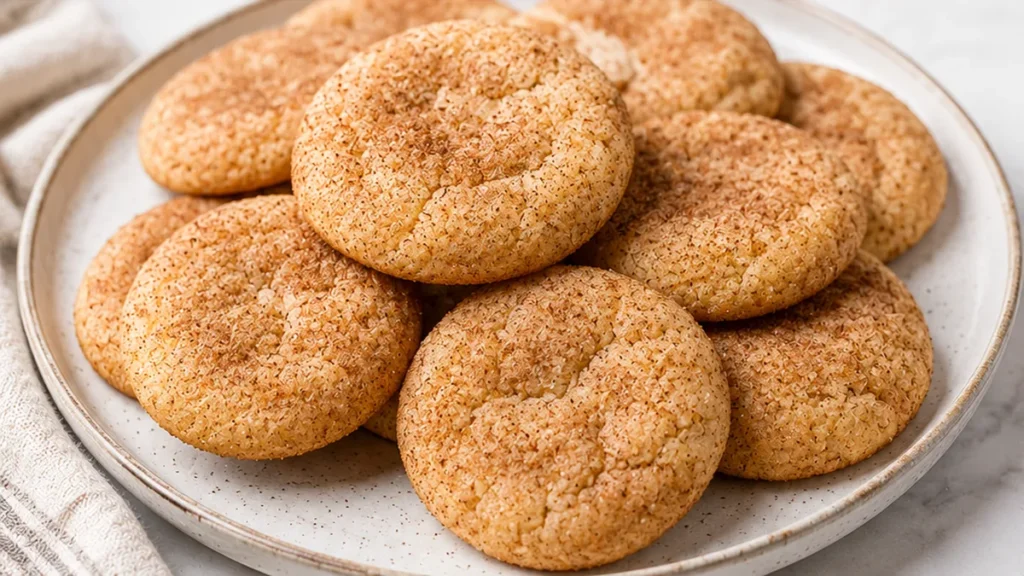
Discover the ultimate grain-free treat with these incredible almond flour snickerdoodles. This recipe delivers that classic snickerdoodle flavor and chewy texture without any gluten or grains, making it a perfect option for those with dietary restrictions or anyone seeking a healthier indulgence. Our almond flour snickerdoodles are surprisingly simple to make, requiring just a few common ingredients and minimal prep time. They are ideal for baking with kids or whipping up a quick batch for unexpected guests, proving that delicious cookies don’t need to be complicated.
Key takeaways
- Creaming butter and sugar is vital for texture.
- Do not overmix almond flour dough.
- Chilling the dough controls spread.
- Bake until edges are golden and centers are soft.
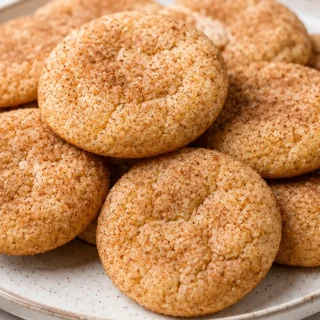
Almond Flour Snickerdoodles Recipe
Ingredients
- 1/2 cup butter (softened)
- 1/4 cup palm shortening (or regular shortening)
- 1/2 cup white sugar
- 1/4 cup brown sugar (or coconut sugar)
- 2 teaspoons vanilla extract
- 2 large eggs
- 1/2 teaspoon baking soda
- 3/4 teaspoon salt
- 1 teaspoon cinnamon
- 3 cups blanched almond flour
Instructions
- Preheat oven to 350°F (175°C) and line a baking sheet with parchment paper.
- Cream together softened butter, palm shortening, white sugar, and brown sugar until very creamy in a stand mixer. Add vanilla extract and large eggs, mixing until well incorporated. Mix in baking soda, salt, and cinnamon.
- Gradually add blanched almond flour, 1 cup at a time, beating well after each addition until just combined.
- In a small bowl, mix together remaining white sugar and cinnamon for coating.
- Roll dough into 1 1/2 tablespoon rounds. Roll each ball in the cinnamon-sugar mixture to coat evenly.
- Place coated dough balls onto the parchment-lined baking sheet, about 3 inches apart.
- Bake for 11-13 minutes, or until golden brown around the edges. Let cool on the sheet for a couple of minutes before transferring to a wire rack to cool completely.
Notes
The technique that makes it
The key to successful almond flour snickerdoodles lies in managing the texture and spread. Unlike traditional wheat flour, almond flour lacks gluten, which provides structure and elasticity. This means the dough for almond flour snickerdoodles won’t behave the same way. Overmixing can lead to tough cookies, even without gluten, as it can over-activate the almond flour’s oils. Creaming the butter and sugars thoroughly is crucial for incorporating air, which contributes to a lighter texture. Ensure the butter is softened to room temperature, not melted, to achieve proper aeration during creaming. This step creates tiny air pockets that expand during baking, preventing the cookies from becoming dense. When incorporating the almond flour, mix just until combined. Overworking the dough can cause the almond flour to release too much oil, resulting in greasy cookies that spread excessively. Chilling the dough is also a beneficial technique. It allows the almond flour to absorb moisture, firming up the dough and making it easier to handle. Chilled dough also helps control spread, ensuring the cookies maintain a pleasant thickness and don’t flatten into thin crisps. The cinnamon-sugar coating is essential for the classic snickerdoodle flavor and creates a slightly crisp exterior that contrasts with the tender interior.
Troubleshooting
- Problem: Cookies are spreading too much and becoming thin.
Fix: Ensure your butter is properly softened (not melted) and that you are not overmixing the dough after adding the almond flour. Chilling the dough for at least 30 minutes before baking can significantly reduce spread. You can also try slightly reducing the amount of shortening or butter in the recipe, though this may affect tenderness. - Problem: Cookies are dry and crumbly.
Fix: This can happen if the almond flour is not fresh or if the cookies are overbaked. Ensure you are using blanched almond flour. Bake only until the edges are lightly golden and the centers still look slightly soft; they will continue to set as they cool. - Problem: Cookies are greasy.
Fix: Overmixing the almond flour can release too much oil. Mix the almond flour in gently and only until just combined. Also, ensure your shortening and butter are at the correct softened temperature, not melted. - Problem: Cookies are not sweet enough.
Fix: While the recipe has a balanced sweetness, personal preference varies. You can slightly increase the white sugar or brown sugar, or use a sugar substitute designed for baking, but be mindful that altering sugar ratios can affect texture and spread.
Substitutions
- Almond Flour: While this recipe is specifically for almond flour, for a different nut-based flour, you could try finely ground hazelnut flour. The flavor will change significantly, and the texture might be slightly denser due to hazelnut’s higher oil content.
- Butter: For a dairy-free option, a high-quality vegan butter substitute that mimics the consistency of butter can be used. Ensure it’s unsalted. The flavor profile will be slightly altered.
- Palm Shortening: Regular vegetable shortening can be used as a direct substitute. Coconut oil (solid, not melted) could also work, but it may impart a slight coconut flavor and potentially affect spread.
- Brown Sugar: Coconut sugar is a good alternative for brown sugar, offering a similar moisture content and caramel-like flavor. The cookies might have a slightly darker hue and a more pronounced caramel note.
Pro tips
- Ensure your butter and shortening are softened, not melted, for the best cookie texture.
- Don’t overmix the dough after adding the almond flour to prevent tough cookies.
- For a perfectly uniform coating, use a shallow dish for the cinnamon-sugar mixture.
Enjoy these delightful almond flour snickerdoodles as a wholesome treat anytime. Feel free to experiment with adding a touch of nutmeg to the cinnamon-sugar coating for a unique twist!
More from Gluten-Free Desserts & Sweets →
Frequently asked questions
Can I make almond flour snickerdoodles ahead of time?
Yes, you can prepare the dough a day in advance. Store it tightly wrapped in plastic wrap in the refrigerator. When ready to bake, let the dough sit at room temperature for about 15-20 minutes to soften slightly, then roll and bake as directed. This allows the flavors to meld.
How do I store almond flour snickerdoodles?
Once completely cooled, store these cookies in an airtight container at room temperature for up to 3-4 days. For longer storage, you can freeze them in a single layer on a baking sheet until firm, then transfer to a freezer-safe bag or container for up to 2 months.
What is the best way to tell if almond flour snickerdoodles are done?
Almond flour snickerdoodles are typically done when the edges are lightly golden brown and set. The centers may still look slightly soft, but they will continue to firm up as they cool on the baking sheet. Avoid overbaking to maintain a chewy texture.
Can I substitute coconut flour for almond flour in snickerdoodles?
Substituting coconut flour for almond flour is not a direct 1:1 swap. Coconut flour is highly absorbent. You would need to significantly adjust the liquid and egg ratios, and the texture will likely be different. It’s best to find a recipe specifically developed for coconut flour.