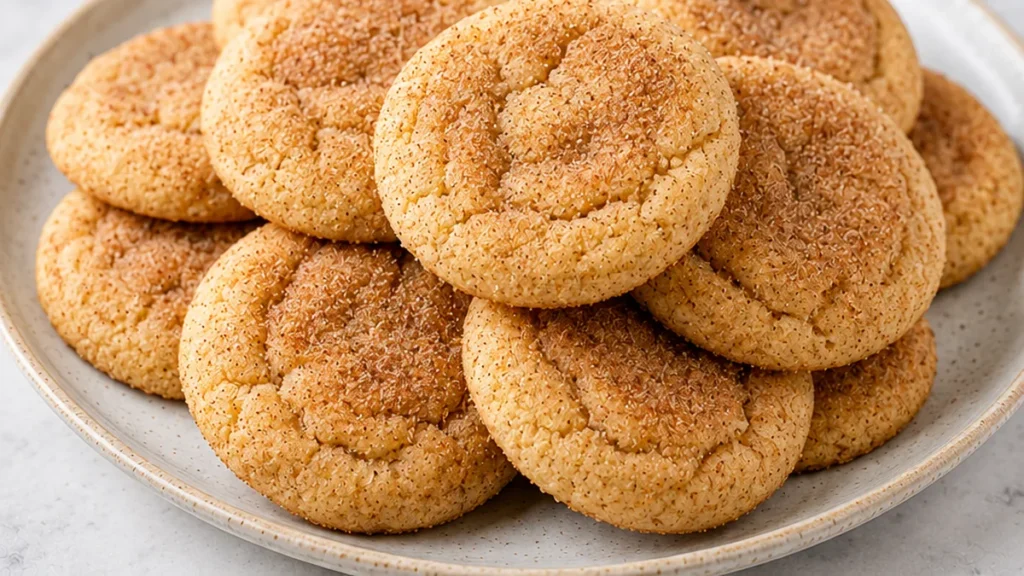
Discover the trick to gluten-free snickerdoodle cookies, a beloved classic reimagined for everyone to enjoy. These cookies deliver that irresistible soft, chewy texture and the perfect cinnamon-sugar sparkle without any gluten. Our recipe ensures that even those with gluten sensitivities can experience the pure joy of a warm, homemade snickerdoodle cookie, making them ideal for holidays, celebrations, or simply a delightful afternoon treat.
Key takeaways
- Cream of tartar is essential for the snickerdoodle's signature tang and texture.
- Properly softened butter and gentle mixing of gluten-free flour are key to achieving the right consistency.
- Chilling the dough can prevent excessive spreading.
- Accurate measurement of gluten-free flour and fresh leavening agents are critical for success.
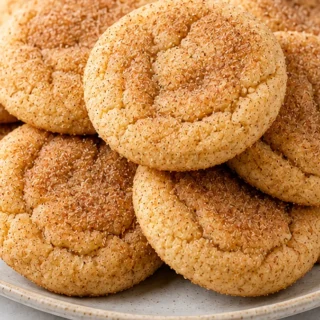
Soft & Chewy Gluten-Free Snickerdoodles
Ingredients
- 1 cup unsalted butter, softened (use Smart Balance for dairy-free/vegan)
- 1 ½ cups granulated sugar
- 2 large eggs (use Bob's Red Mill gluten-free egg replacer for egg allergy)
- 2 tsp pure vanilla extract
- 3 cups gluten-free all-purpose flour with xanthan gum
- 2 tsp cream of tartar
- 1 tsp baking soda
- ¼ tsp salt
- ¼ cup granulated sugar
- 2 tsp ground cinnamon
Instructions
- Preheat oven to 350°F (177°C). Line baking sheets with parchment paper.
- In a large bowl, cream the softened butter and 1½ cups granulated sugar until light and fluffy.
- Add the eggs (or egg replacer) and vanilla extract, and cream until smooth.
- Mix in the cream of tartar, baking soda, and salt until just combined.
- Gradually add the gluten-free flour, mixing until a cohesive dough forms.
- In a small bowl, combine the remaining ¼ cup granulated sugar and ground cinnamon for the coating.
- Scoop dough into 1½ teaspoon balls. Roll each ball generously in the cinnamon-sugar mixture.
- Place coated dough balls on the prepared baking sheets, 1-2 inches apart, and bake for 9-11 minutes, or until edges are lightly golden.
Notes
The technique that makes it
The hallmark of a perfect snickerdoodle, whether gluten-free or traditional, lies in its signature texture and tangy flavor. This recipe achieves that through a combination of key ingredients and techniques. The use of cream of tartar is crucial. It reacts with the baking soda to create a leavening action, resulting in a cookie that is slightly puffed and tender, not dense. Cream of tartar also imparts the characteristic tangy flavor that distinguishes a snickerdoodle from a sugar cookie. Ensuring the butter is properly softened, not melted, is vital for incorporating air during creaming with sugar. This aeration contributes to the cookie’s tender crumb and prevents them from spreading too thinly. Overmixing the gluten-free flour can lead to a tough texture, so it’s important to mix only until just combined. The cinnamon-sugar coating is applied before baking, allowing the sugars to caramelize slightly during the baking process, creating a delightful crisp exterior that contrasts with the soft, chewy interior.
Troubleshooting
- Cookies spread too much: Ensure your butter is softened but not melted. Overly soft or melted butter will cause excessive spreading. Also, check that your baking soda and cream of tartar are fresh, as expired leaveners can lead to poor structure. Chill the dough for 30 minutes before baking if spreading is a persistent issue.
- Cookies are too cakey or dry: This can happen if the gluten-free flour blend has too much starch or not enough binder. Ensure you are using a blend specifically designed for baking that includes xanthan gum. Avoid overbaking; gluten-free baked goods can dry out quickly.
- Cookies are hard or tough: Overmixing the gluten-free flour can develop toughness. Mix only until the ingredients are just incorporated. Using too much flour can also lead to a dense, hard cookie. Measure your flour accurately using the spoon-and-level method.
- Cinnamon sugar coating falls off: Ensure the dough balls are slightly moist on the surface before rolling in the cinnamon sugar. You can lightly dampen them with a tiny bit of water or melted butter if they seem dry. Press the coating gently into the dough.
Substitutions
- Dairy-Free/Vegan: Use a plant-based butter substitute like Smart Balance or Miyoko’s Kitchen. The texture might be slightly different, but the flavor profile will remain similar. Ensure your sugar is vegan if strict veganism is required.
- Egg Allergy: Replace the two large eggs with 2 tablespoons of Bob’s Red Mill Gluten-Free Egg Replacer mixed with 4 tablespoons of water, or use a similar commercial egg replacer according to package directions. This will help bind the ingredients and provide structure.
- Gluten-Free Flour Blend: If your blend does not contain xanthan gum, you will need to add it separately, typically 1 teaspoon per cup of flour. Different blends can yield slightly different textures; a blend with a good balance of rice flour, potato starch, and tapioca starch often works well.
- Cream of Tartar: While it provides the signature tang, a substitute could be 1 teaspoon of lemon juice mixed with ½ teaspoon of baking soda for every 2 teaspoons of cream of tartar. This will offer leavening but may slightly alter the flavor profile.
Pro tips
- Use room temperature butter and eggs for best creaming results.
- Don’t overmix the dough after adding flour to keep cookies tender.
- Adjust cinnamon-sugar ratio to your preference.
Enjoy these delightful gluten-free snickerdoodle cookies that are sure to become a family favorite. Experiment with different GF flour blends to find your perfect texture!
More from Gluten-Free Desserts & Sweets →
Frequently asked questions
What makes snickerdoodles soft and chewy?
The key to soft and chewy snickerdoodles lies in the cream of tartar and baking soda combination, which creates a tender crumb. Undermixing the dough slightly and not overbaking also ensures a chewy texture. Using a higher ratio of brown sugar to white sugar contributes to their chewiness and moisture.
Can I make gluten-free snickerdoodle dough ahead of time?
Yes, you can prepare the gluten-free snickerdoodle dough up to 2 days in advance. Shape the dough into balls, place them on a baking sheet, and chill. Once firm, transfer the dough balls to an airtight container or freezer bag and store in the refrigerator. Bake as directed, adding a minute or two if needed.
How do I store gluten-free snickerdoodles?
Store cooled gluten-free snickerdoodles in an airtight container at room temperature for up to 3-4 days. For longer storage, freeze the baked cookies in a single layer on a baking sheet until firm, then transfer to a freezer-safe bag or container for up to 3 months. Reheat gently if desired.
What can I use instead of cream of tartar in gluten-free snickerdoodles?
If you don’t have cream of tartar, you can substitute it with an equal amount of baking powder, but the texture may be slightly different. For a similar tang and leavening effect, you can also use 1 teaspoon of lemon juice or white vinegar mixed with 1/2 teaspoon of baking soda per teaspoon of cream of tartar.