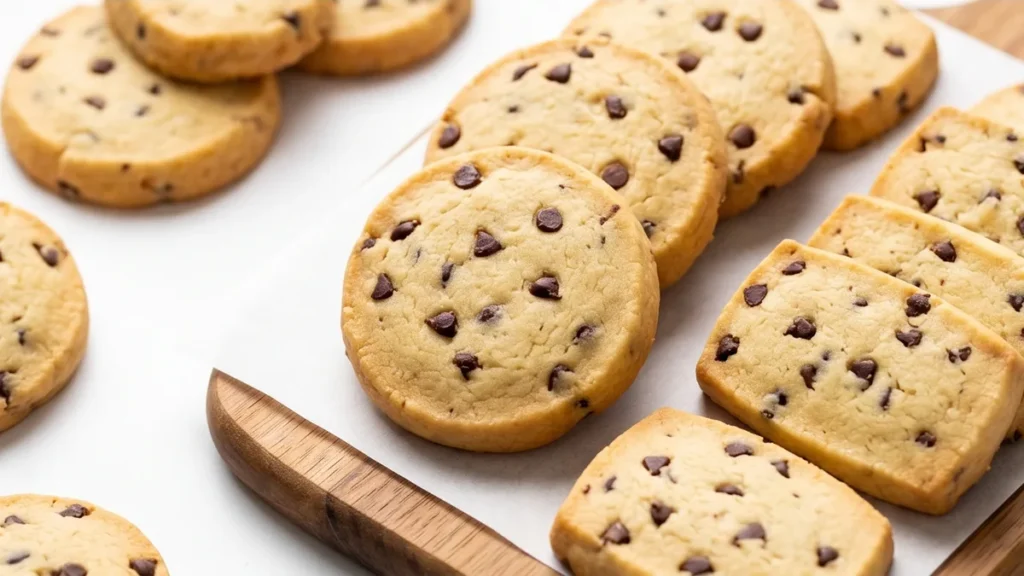
Indulge in the delightful taste and texture of authentic shortbread cookies with this easy-to-follow gluten-free recipe. Perfect for beginners, these shortbread cookies offer a melt-in-your-mouth experience that rivals any traditional version. This recipe ensures that everyone, regardless of dietary needs, can enjoy the simple pleasure of buttery, tender shortbread cookies.
Key takeaways
- Creaming softened butter and powdered sugar is key for a tender texture.
- Avoid overmixing the dough once the gluten-free flour is added.
- Proper chilling of the dough before baking prevents excessive spreading.
- Ensure your gluten-free flour blend contains xanthan gum for structure.
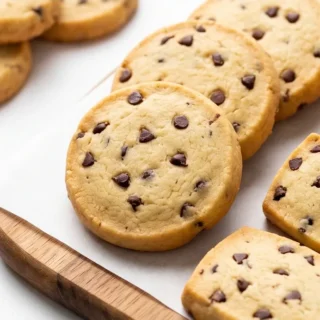
Gluten-Free Shortbread: Pure Bliss!
Ingredients
- 1 ½ cups unsalted butter, softened
- 1 cup powdered sugar
- 1 teaspoon pure vanilla extract
- 1/2 teaspoon salt
- 3 cups all-purpose gluten-free flour with xanthan gum
- 1 cup gluten-free chocolate chips for drizzling/dipping optional
Instructions
- Preheat oven to 325°F (163°C). Line a baking sheet with parchment paper.
- In a large bowl beat the butter with an electric mixer until smooth.
- Add in the powdered sugar and continue mixing until fully combined. Add in the vanilla and salt and mix until fully combined. Scrape down the sides of the bowl if needed.
- Add in half of the gluten-free flour and mix until well blended. Add in the rest of the gluten-free flour and mix until the ingredients are fully combined and the cookie dough starts to form. The mixture will be crumbled and soft.
- With a spatula or your hands, bring the cookie dough together into a ball.
- Transfer the cookie dough ball onto a lightly floured surface and use a rolling pin to roll out the cookie dough to just over 1/4-inch thickness. Use a 2 1/4-inch cookie cutter to cut into shapes. Repeat the steps with the scrap dough.
- Transfer the cut out cookies to the prepared baking sheet. Space cookies at least 1-inch apart. Pierce the cookies with the tips of a fork for even baking.
- Bake on the middle rack for 15 minutes or until a light golden color. Only bake one cookie sheet at a time for even baking. Watch your oven as all ovens are different.
Notes
The technique that makes it
The secret to truly exceptional shortbread, even gluten-free, lies in the creaming of the butter and sugar. This process, known as aeration, is crucial for developing the cookie’s characteristic tender crumb and delicate texture. When you cream softened butter with powdered sugar, tiny air bubbles are incorporated into the mixture. These bubbles expand during baking, contributing to the shortbread’s lightness and preventing it from becoming dense or tough. It’s important to use softened, not melted, butter. Softened butter allows for optimal air incorporation without making the dough greasy. Overmixing after adding the gluten-free flour can also be detrimental. Gluten-free flours, particularly those containing starches, can become gummy or tough if overworked, similar to how overmixing develops gluten in traditional wheat flour. Therefore, mix the flour in just until combined to maintain that desirable tender texture.
Troubleshooting
- Cookies are too crumbly and falling apart: This often happens if the butter was too cold or not creamed sufficiently, leading to poor binding. Ensure butter is properly softened and creamed until light and fluffy.
- Cookies are tough or dense: You likely overmixed the dough after adding the gluten-free flour. Mix the flour in only until just incorporated, and avoid overworking the dough.
- Cookies spread too much during baking: This could be due to the butter being too warm or the dough not being chilled sufficiently before baking. Ensure the dough is firm before shaping and chilling, and bake at the correct temperature.
- Shortbread is too pale or not browning: The oven temperature might be too low, or the baking time too short. Ensure your oven is accurately calibrated and bake until the edges are lightly golden.
Substitutions
- Butter: For a dairy-free version, use a high-quality vegan butter stick that is solid at room temperature. The texture might be slightly different, but it will still yield delicious results.
- Powdered Sugar: You can substitute with granulated sugar, but it must be processed into a very fine powder in a blender or food processor. The texture may be slightly less melt-in-your-mouth.
- Gluten-Free Flour Blend: If your blend doesn’t contain xanthan gum, you will need to add about 1/2 teaspoon of xanthan gum to the dry ingredients to provide necessary binding.
- Vanilla Extract: Almond extract can be used for a different flavor profile, using 1/2 teaspoon as it is more potent.
Pro tips
- Ensure butter is softened but not melted for best texture.
- Use a gluten-free flour blend that contains xanthan gum.
- Don’t overmix the dough after adding flour; it should be soft and slightly crumbly.
- Pierce cookies with a fork before baking to prevent puffing and ensure even baking.
Enjoy these delightful gluten-free shortbread cookies with your favorite beverage or share them with loved ones. Experiment with different gluten-free flour blends to find your perfect texture!
More from Gluten-Free Desserts & Sweets →
Frequently asked questions
Can I substitute butter for vegan butter in gluten-free shortbread?
Yes, you can substitute a good quality vegan butter for dairy butter. Ensure the vegan butter is firm and cold for best results, similar to how you would use dairy butter. This substitution will maintain the traditional shortbread texture and flavor, making it a great option for those avoiding dairy.
How do I know when gluten-free shortbread is done baking?
Gluten-free shortbread is done when the edges are lightly golden brown and the centers appear set, not wet. They will not spread much. Avoid overbaking, as they can become hard. They will continue to firm up as they cool on the baking sheet.
Can gluten-free shortbread be made ahead of time?
Absolutely. You can prepare the dough, wrap it tightly in plastic wrap, and refrigerate it for up to 3 days or freeze it for up to 1 month. Thaw overnight in the refrigerator before shaping and baking. This makes them perfect for holiday baking or preparing in advance.
How should gluten-free shortbread be stored?
Store cooled gluten-free shortbread in an airtight container at room temperature for up to 5 days. They can also be frozen for up to 2 months. Layer them between parchment paper to prevent sticking. They maintain their delicate texture and flavor well when stored properly.