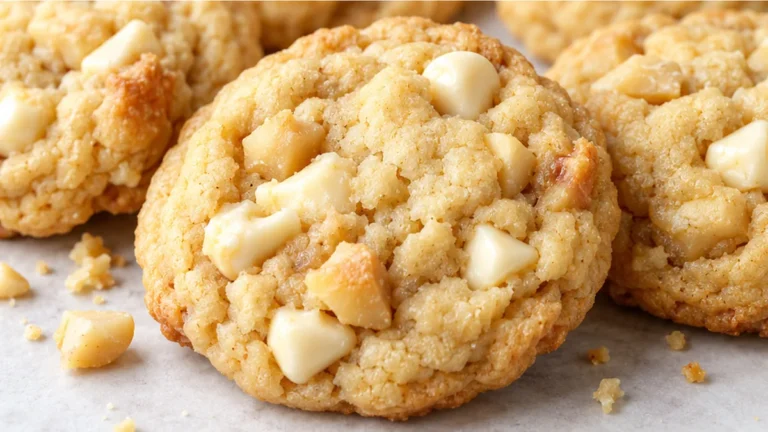
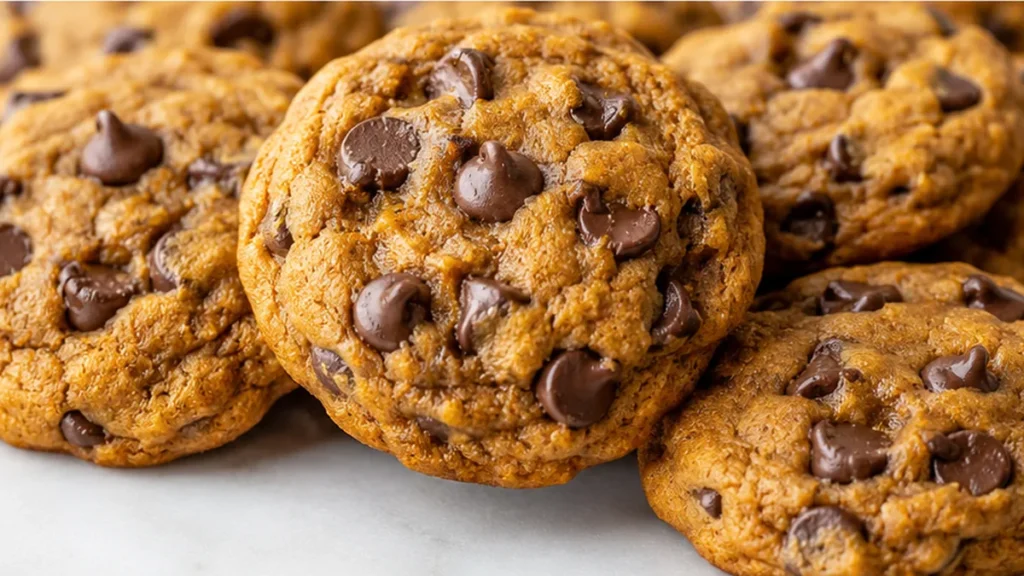
The secret to truly irresistible gluten-free pumpkin chocolate chip cookies lies in balancing moisture and ensuring the right blend of flours, preventing a dry or crumbly texture. This recipe delivers soft, chewy cookies every time, perfect for fall gatherings or a cozy treat. These gluten-free pumpkin cookies are designed to be approachable yet yield professional-level results, making them ideal for both seasoned bakers and those new to gluten-free baking. The inclusion of pumpkin not only adds a lovely flavor but also contributes to the cookies’ tender crumb.
Key takeaways
- Proper emulsion of wet and dry ingredients is crucial for texture.
- Chilling the dough helps prevent excessive spreading.
- Adjusting pumpkin puree can control moisture levels.
- Aerating butter and sugars is key for a light cookie.

Soft Gluten-Free Pumpkin Chocolate Chip Cookies
Ingredients
- 1/2 cup butter, room temperature
- 1/4 cup granulated sugar
- 1/4 cup brown sugar
- 1 egg
- 3/4 cup pumpkin puree
- 1 tsp vanilla extract
- 1 3/4 cup gluten-free all purpose flour
- 1 tsp baking soda
- 1/4 tsp baking powder
- 1/2 tsp gluten-free pumpkin spice
Instructions
- Preheat oven to 350 degrees F.
- Cream together butter, granulated sugar, and brown sugar until light and fluffy.
- Beat in egg, pumpkin puree, and vanilla extract until smooth.
- Whisk gluten-free flour, baking soda, baking powder, and pumpkin spice in a separate bowl.
- Gradually add dry ingredients to wet, mixing until just combined. Stir in chocolate chips.
- Drop 1-1/2 tablespoon-sized mounds onto parchment-lined baking sheets.
- Bake for 14-16 minutes, until edges are lightly golden.
- Cool on baking sheets for a few minutes, then transfer to a wire rack.
Video
Notes
The technique that makes it
Creating soft gluten-free pumpkin chocolate chip cookies relies heavily on the proper emulsion of wet and dry ingredients. The butter must be at room temperature to facilitate a smooth blend with the sugars, which helps in aerating the mixture. This aeration is crucial for achieving a tender texture. The pumpkin puree not only adds moisture but also contributes to the overall softness of the cookie. Additionally, using gluten-free all-purpose flour requires careful attention to hydration; the flour blend may absorb moisture differently than traditional wheat flour. Therefore, the balance of pumpkin puree and the flour is essential to prevent a dry or crumbly cookie.
Troubleshooting
- Problem: Cookies are too dry.
Fix: Ensure that the pumpkin puree is not too thick; adding a bit more can help retain moisture. - Problem: Cookies spread too much.
Fix: Chill the dough for at least 30 minutes before baking to help maintain their shape. - Problem: Cookies are too cakey.
Fix: Reduce the amount of pumpkin puree slightly and ensure proper measurement of gluten-free flour to maintain the desired cookie texture. - Problem: Cookies are too dense.
Fix: Make sure to properly aerate the butter and sugars during the creaming process to incorporate air into the dough.
Substitutions
- Butter: Use coconut oil for a dairy-free option, which will yield a similar texture but may impart a slight coconut flavor.
- Granulated Sugar: Substitute with coconut sugar for a lower glycemic index option, resulting in a slightly darker and richer flavor.
- Pumpkin Puree: Use applesauce as a substitute for a lighter cookie, although this may alter the pumpkin flavor.
- Gluten-Free All Purpose Flour: A homemade blend of almond flour and tapioca flour can be used, but adjust the amount to achieve the right consistency.
Pro tips
- Don’t overmix the dough once the flour is added; this can result in tough cookies. Mix until just combined. – For perfectly baked cookies, remove them from the oven when the edges are set but the centers still look slightly underdone; they keep cooking on the hot baking sheet and come out chewiest.
- To achieve an even bake, rotate your baking sheets halfway through the cooking time. – Store leftover cookies in an airtight container at room temperature for up to 3 days, or freeze for up to 3 months.
These gluten-free pumpkin chocolate chip cookies are a delightful way to enjoy the flavors of autumn. Try them with a cup of coffee or a glass of milk and share your creations!
Frequently asked questions
Can I use fresh pumpkin instead of canned puree?
Yes, you can use fresh pumpkin, but make sure it is well-cooked and pureed to achieve the right consistency. Drain any excess moisture to prevent the cookies from becoming too wet.
How should I store the cookies after baking?
Store the cookies in an airtight container at room temperature for up to a week. For longer storage, you can freeze them in a single layer and then transfer to a freezer bag.
Can I add nuts to the recipe?
Absolutely! Chopped nuts like walnuts or pecans can be added for extra texture and flavor. Just keep in mind that this may affect the overall moisture balance.
What can I do if my dough is too sticky?
If the dough is too sticky to handle, try adding a little more gluten-free flour, a tablespoon at a time, until you reach a workable consistency.
More from Gluten-Free Desserts & Sweets →