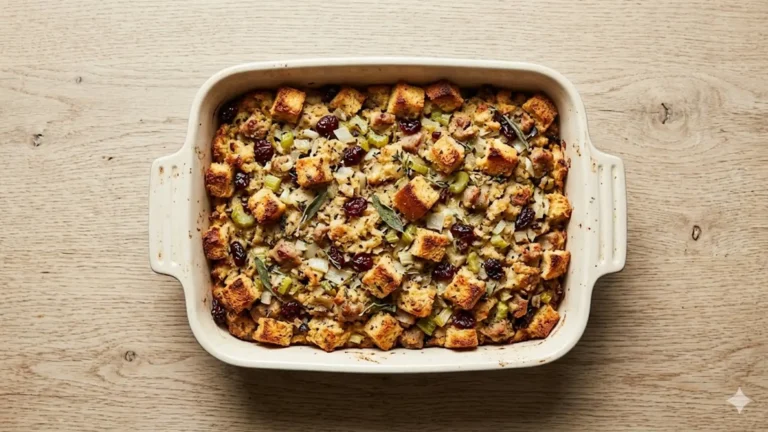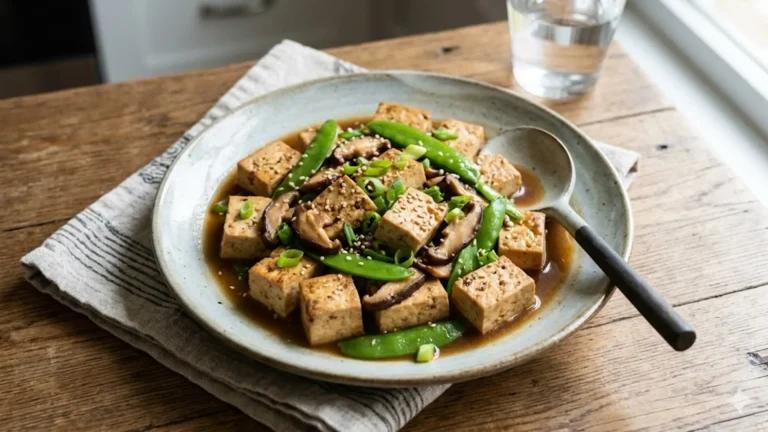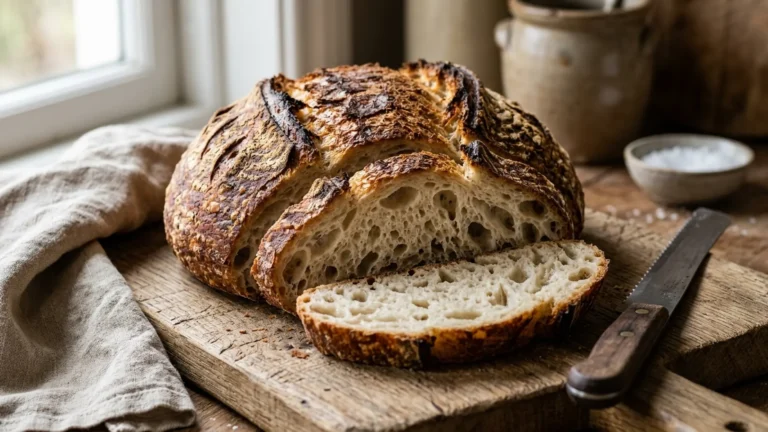
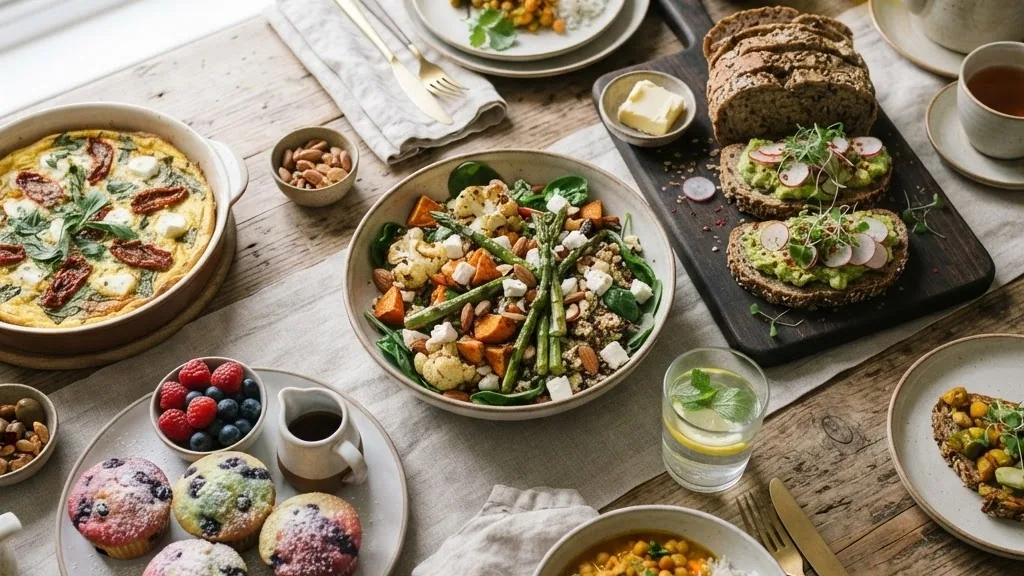
Gluten free foods start with a simple truth most guides bury: whole categories of what you already eat are naturally safe, and the expensive boxed replacements are the exception, not the rule. Fresh meat, fish, eggs, plain dairy, fruit, vegetables, legumes, nuts, seeds, and potatoes carry no gluten at all. The protein you are avoiding lives in four grains: wheat, barley, rye, and triticale. Everything else is either safe by nature or a processing risk you can learn to read on a label in about ten seconds.
That distinction matters because roughly 1 percent of the U.S. population has celiac disease, the long-cited figure being 1 in 133 Americans from the Fasano study published in Archives of Internal Medicine in February 2003. For those households, precision is not a lifestyle choice. It is medicine.
Quick answer: Gluten free foods are any foods without wheat, barley, rye, or triticale. The safest way to eat gluten free is to build meals around naturally safe staples like rice, corn, potatoes, eggs, and fresh produce, then add packaged items only when the label reads under 20 parts per million, the U.S. Food and Drug Administration threshold set in August 2013. Certified marks such as the Gluten-Free Certification Organization go stricter, typically 10 parts per million. Whole grains beat refined ones on fiber, iron, and B-vitamins.
What Gluten Is and Which Grains Carry It
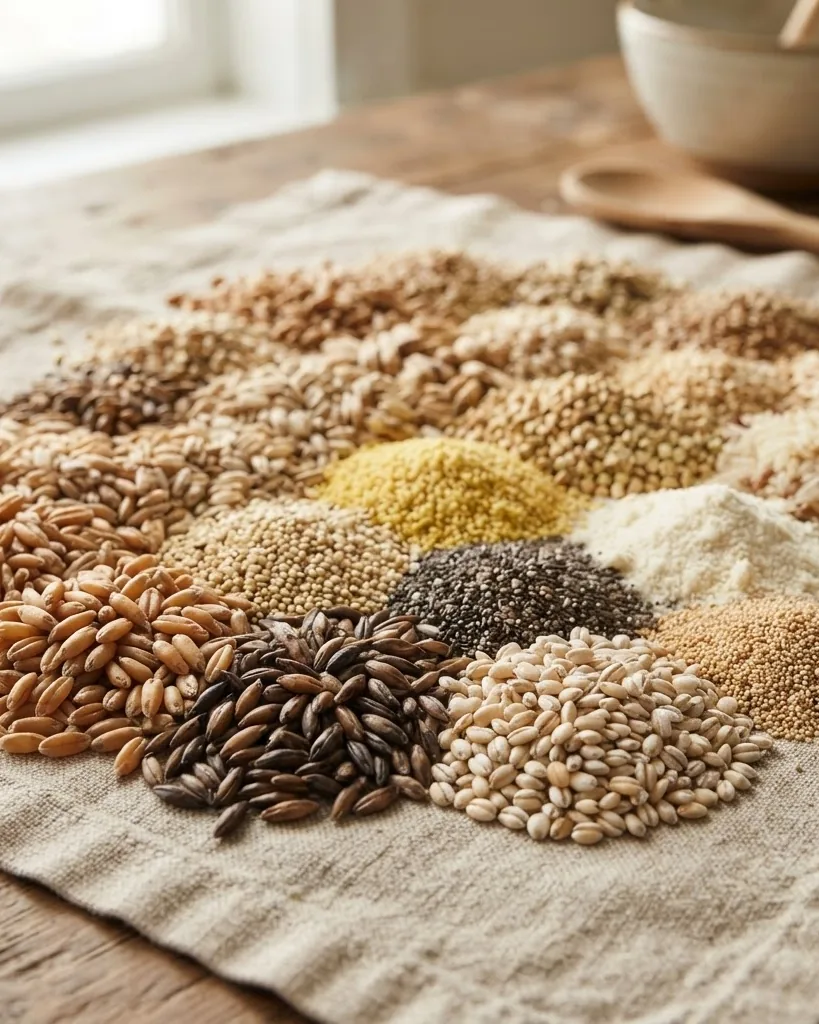
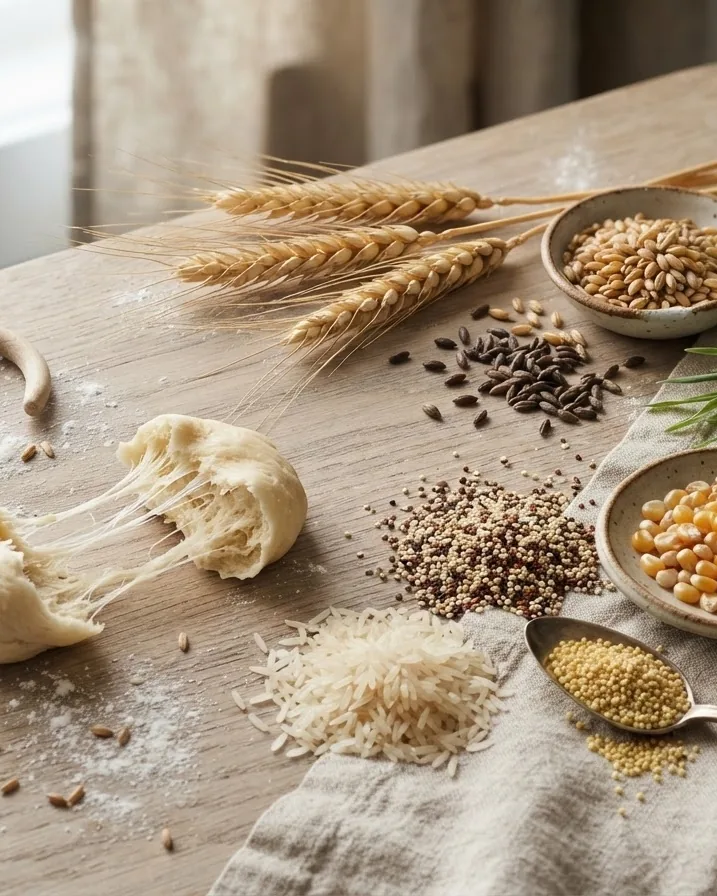
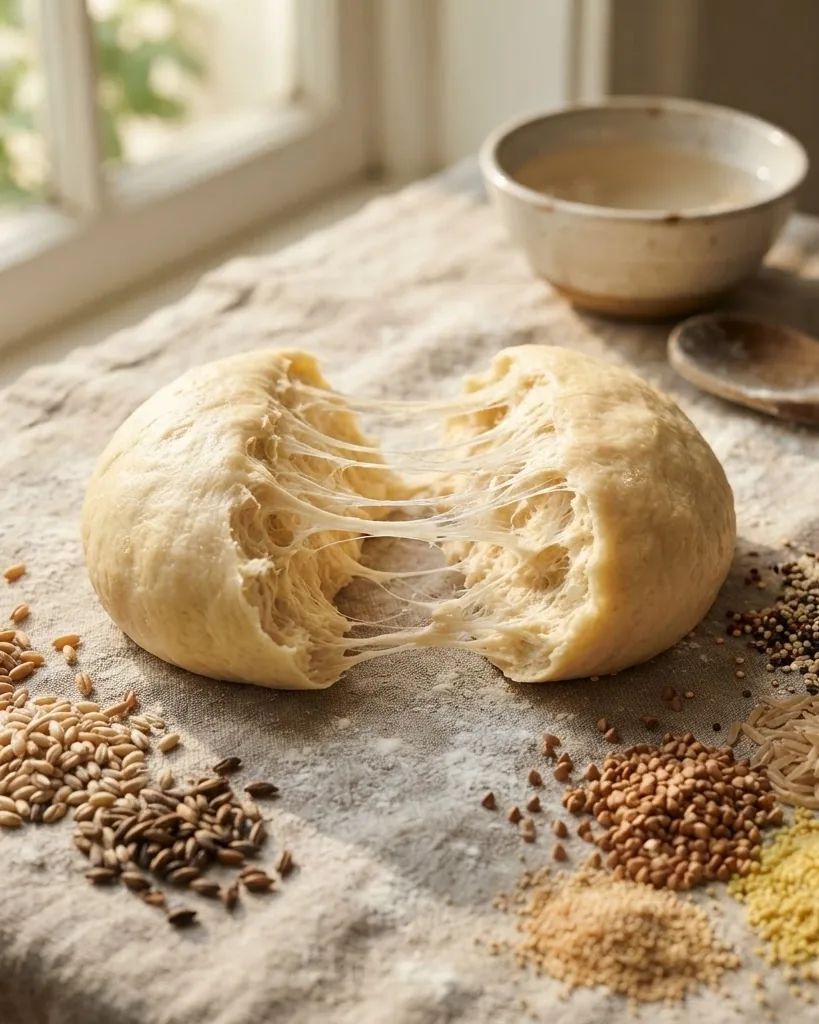
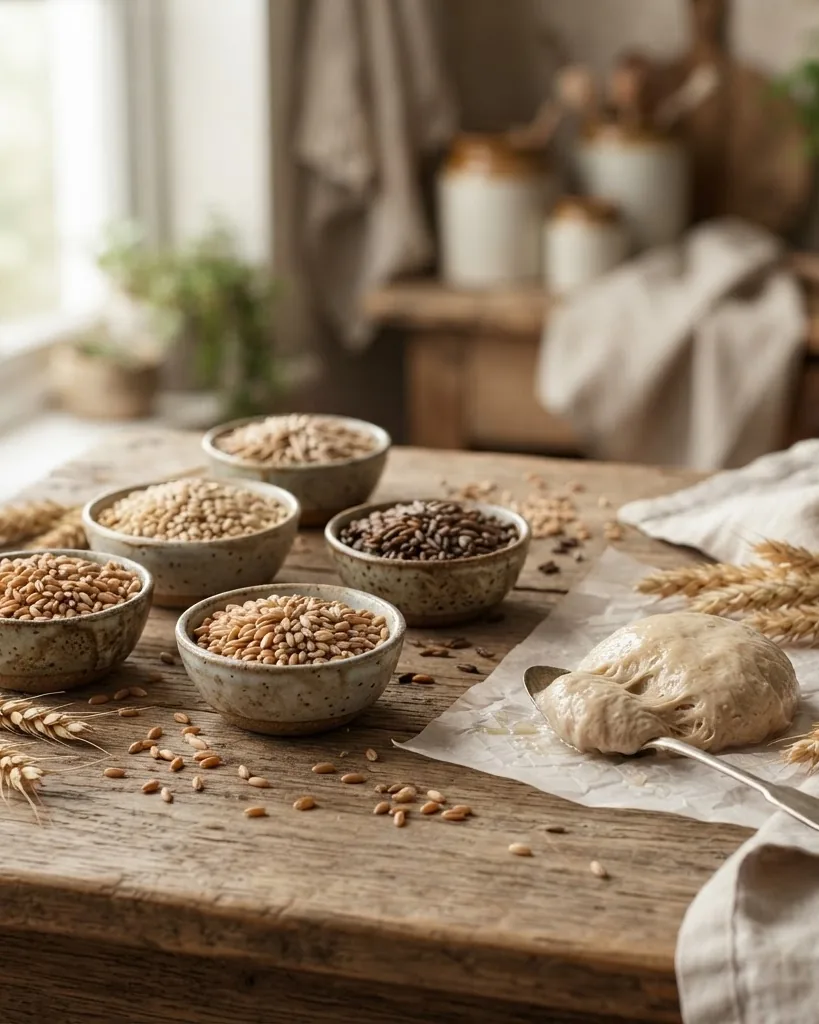
Gluten is a storage protein found in the seeds of certain cereal grains, and it gives dough its stretch and chew. Only four grains contain the proteins that trigger celiac disease: wheat, barley, rye, and triticale, a wheat-rye hybrid. That short list is the whole game. Everything downstream, from label reading to flour swaps, traces back to spotting these four and their disguises. The Mayo Clinic, in patient education updated December 21, 2024, describes the same core group and flags the hidden names that trip people up.
Those aliases are where shoppers get caught. Wheat hides under farina, semolina, graham flour, spelt, and kamut. Barley shows up as malt and in brewer’s yeast. A few extras deserve a permanent spot on your mental blocklist:
- Malt, malt extract, malt vinegar, malt flavoring (barley-derived)
- Farina, semolina, durum, graham flour, spelt, kamut (all wheat)
- Some soy sauces brewed with wheat
- Seasoned or marinated meats, broths, and gravy thickeners
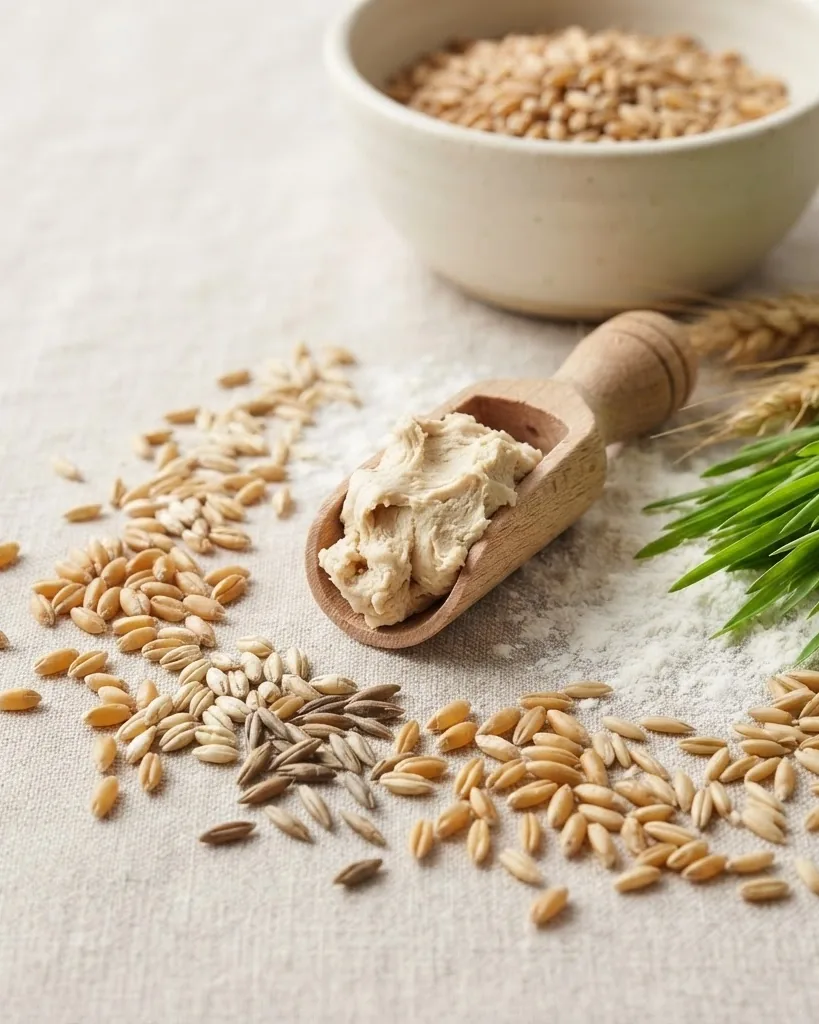
Oats sit in their own strange category. The plant is naturally gluten free, but it is routinely grown, harvested, and milled alongside wheat, so cross-contact contaminates most conventional oats. Buy oats marked certified gluten free. A small subset of people with celiac disease also react to avenin, the oat protein, so introduce them cautiously.
The Three Reasons People Eat Gluten Free
Three distinct medical conditions send people to the same diet, and confusing them leads to bad advice. Celiac disease is an autoimmune reaction where gluten triggers the body to attack the small intestine. Non-celiac gluten sensitivity, or NCGS, produces real symptoms without that autoimmune damage, and estimates for it range widely, from about 1 percent up to roughly 6 percent of the U.S. population. Wheat allergy is a classic immune allergy to wheat proteins specifically. Same plate, three mechanisms.
The stakes are highest for celiac disease. The Celiac Disease Foundation, the leading U.S. patient-advocacy body, notes the average delay from symptom onset to diagnosis in the United States runs around 4 years, citing work by Green and colleagues. Compounding that, up to roughly 80 percent of U.S. celiac cases are believed undiagnosed or misdiagnosed, the pattern researchers call the celiac iceberg.
Why does this shape your cooking? Because someone with a wheat allergy may tolerate barley, while someone with celiac disease must exclude all four grains and guard against trace cross-contact measured in parts per million. When you cook for a mixed table, cook to the celiac standard. It is the only floor that protects everyone.
Naturally Gluten Free Foods: Your Real Grocery List
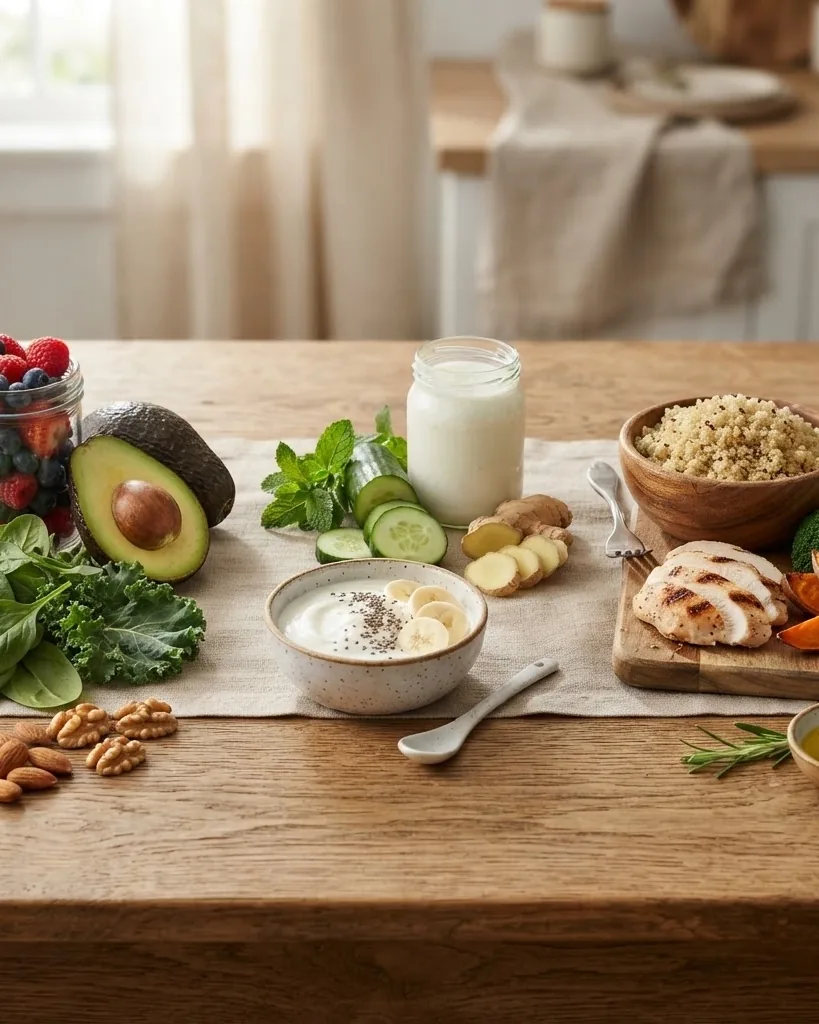
Most of a safe kitchen requires no special products at all. Entire food groups are gluten free in their whole, unprocessed form, and anchoring your meals there is both the safest and the cheapest strategy. The Celiac Disease Foundation frames its guidance around exactly these naturally safe groups, and Whole Foods Market’s beginner guide leans on the same habit of building plates from single-ingredient foods rather than chasing replacements. Start here and you sidestep most risk before you ever read a label.
- Fresh meat, poultry, fish, and eggs (unbreaded, unmarinated)
- Plain dairy: milk, most cheese, plain yogurt
- Fruits and vegetables, fresh or frozen without sauces
- Legumes, nuts, and seeds
- Potatoes and other whole starches
Then there are the grains and pseudocereals that are gluten free by nature: rice, corn, quinoa, buckwheat (unrelated to wheat despite the name), amaranth, sorghum, millet, teff, and certified gluten free oats. These are your flour and side-dish workhorses.
Milk alternatives raise a common question, and the answer is usually reassuring; the breakdown in Is Almond Milk Gluten Free? The Honest Answer walks through when a carton is safe and the rare additives worth checking. For pantry organization around these staples, the roundup at pantry basics is a practical starting frame.
How to Read a Gluten Free Label the Right Way
Label literacy is where confidence is won, and the rules are more precise than most shoppers realize. The U.S. Food and Drug Administration set the legal standard in August 2013: a product labeled gluten free must contain less than 20 parts per million of gluten. The agency finalized the companion rules covering oats and fermented or hydrolyzed foods in August 2020. That 20 ppm number is not marketing. It is the enforceable line.
Third-party certification adds a second, stricter layer. The Gluten-Free Certification Organization, the dominant certification mark in the U.S., typically holds products to a 10 parts per million threshold, half the FDA ceiling. Internationally, the Codex Alimentarius standard maintained by the FAO and WHO also uses 20 parts per million, which many countries adopt. So a certified box clears a tougher bar than a plain FDA claim.
Read labels in this order:
- Scan for a certification mark first (fastest signal of a stricter standard).
- Read the full ingredient list for the hidden names: malt, farina, semolina, spelt.
- Check allergen statements for wheat and shared-facility warnings.
- Remember: “wheat-free” is not the same as gluten free, since barley and rye still count.
The FDA publishes its consumer guidance at the FDA gluten labeling page, and it is worth a read before you trust any front-of-box claim.
How Gluten Free Flours Actually Behave When You Cook
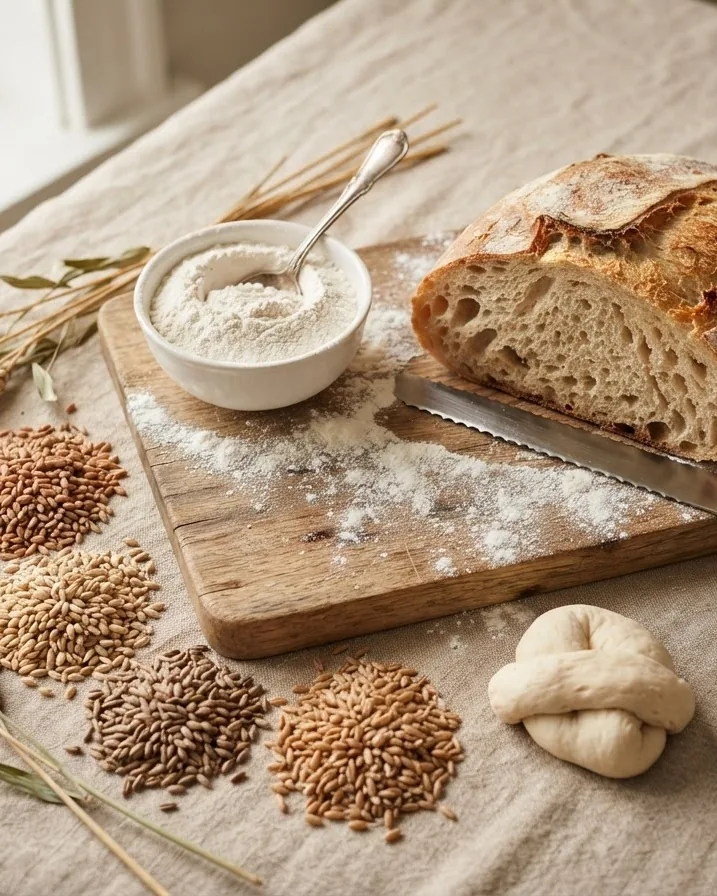
This is the part the big reference pages skip, and it is where cooking succeeds or collapses. No single gluten free flour behaves like wheat flour, because none of them build the elastic gluten network that traps gas and gives structure. Swapping cup for cup almost always fails. Instead you match each flour to the job, and you usually blend two or three plus a binder like xanthan gum or psyllium to fake the missing stretch. Understanding each flour’s personality is the difference between a dense hockey puck and something you want to eat again.
Here is how the common ones actually perform:
- Rice flour: neutral and light, but gritty alone; blend it, do not rely on it solo.
- Almond flour: rich, moist, and tender; adds fat and protein, browns fast, sinks if overused.
- Sorghum flour: mild and wheat-like in flavor; excellent as a base in bread and cookie blends.
- Buckwheat flour: earthy and strong; shines in pancakes, crepes, and rustic loaves.
Almond flour in particular rewards the right recipe. The chewy results in Chewy Almond Flour Cookies: Gluten-Free Bliss! show how its natural fat carries a cookie without any wheat structure at all. For yeasted bread, a sorghum-forward blend with psyllium is your friend; see the technique in this Gluten-Free Rosemary Focaccia for how hydration and a binder replace kneaded gluten.
Frying is more forgiving than baking. A rice-and-cornstarch coating crisps beautifully because starch, not gluten, delivers crunch, which is exactly the logic behind these Crispy Gluten-Free Chicken Tenders. Even comfort dishes translate cleanly; a gluten free crust delivers the same payoff you would expect from a classic like Cheesy Baked Mostaccioli: Comfort Food!, just built on safe flour and pasta. When you want puffy and light rather than crisp, steamed doughs adapt too, as in these Cloud-Like Gluten-Free Chicken Bao Buns!.
Permits, Certification, and What Compliance Costs an Operator
If you sell gluten free food rather than just cook it at home, a stack of agencies governs your kitchen, and each one carries a real operating cost. The U.S. Food and Drug Administration owns the labeling law: use the words “gluten free” and you are legally certifying under 20 parts per million, and the agency can pull noncompliant product. The USDA and its Food Safety and Inspection Service, or FSIS, oversee meat, poultry, and egg products, which means a marinated or breaded protein claiming gluten free answers to both food-safety inspection and the labeling standard at once.
Third-party certification is optional but commercially powerful. The Gluten-Free Certification Organization audits facilities and products to its 10 parts per million threshold, sends inspectors, and licenses its mark, so the operator absorbs testing, audit, and annual license fees on top of normal food-safety compliance. Public-health guidance from the CDC and consumer resources at FoodSafety.gov and nutrition.gov round out the framework shoppers and small producers lean on.
The practical takeaway for anyone going commercial:
- FDA labeling compliance is mandatory the moment you print “gluten free.”
- FSIS inspection applies to any meat, poultry, or egg product.
- GFCO certification is voluntary, stricter (10 ppm), and adds recurring audit and testing costs.
- Cross-contact controls (dedicated lines, testing) are the hidden budget line most first-timers underestimate.
For home cooks, none of this applies, but the same 20 ppm logic should guide which suppliers and ingredients you trust.
Eating Gluten Free Without Paying the Price Tax
The single biggest complaint about eating gluten free is cost, and the data backs the frustration. A 2007 Columbia University study found gluten free products could cost up to roughly 4 times comparable conventional foods, and everyday substitutes commonly run 2 to 3 times the price. That premium has real consequences: a 2022 study presented at the International Celiac Disease Symposium found about 1 in 10 households with a child on a gluten free diet had to eat gluten at some point due to limited access. The escape route is to spend where it is cheap.
Naturally gluten free staples are the answer, and they are inexpensive: rice, corn, potatoes, dried beans, eggs, and frozen vegetables. Build meals on those, and reserve the pricey boxed flour blends and packaged breads for occasional treats rather than daily calories. A pot of rice and beans with frozen vegetables costs a fraction of one loaf of specialty bread.
A budget-first week looks like this:
- Breakfast: eggs, potatoes, or certified gluten free oats.
- Lunch: rice or corn tortilla bowls with beans and vegetables.
- Dinner: fresh protein plus a whole gluten free grain, not a boxed replacement.
- Treats: home-baked, where you control both cost and quality.
Home baking specifically defeats the markup. A homemade Easy Gluten-Free Vanilla Cake Recipe costs a fraction of a bakery equivalent, and mastering a swap-friendly base like Fluffy Cheddar Biscuits: Pure Comfort in Every Bite! means you stop buying expensive packaged versions entirely. If you cater or sell from a mobile kitchen, the operational tips at food trucks translate well to gluten free menus, and reheating strategy for frozen batch cooking is covered in these air fryer frozen foods notes.
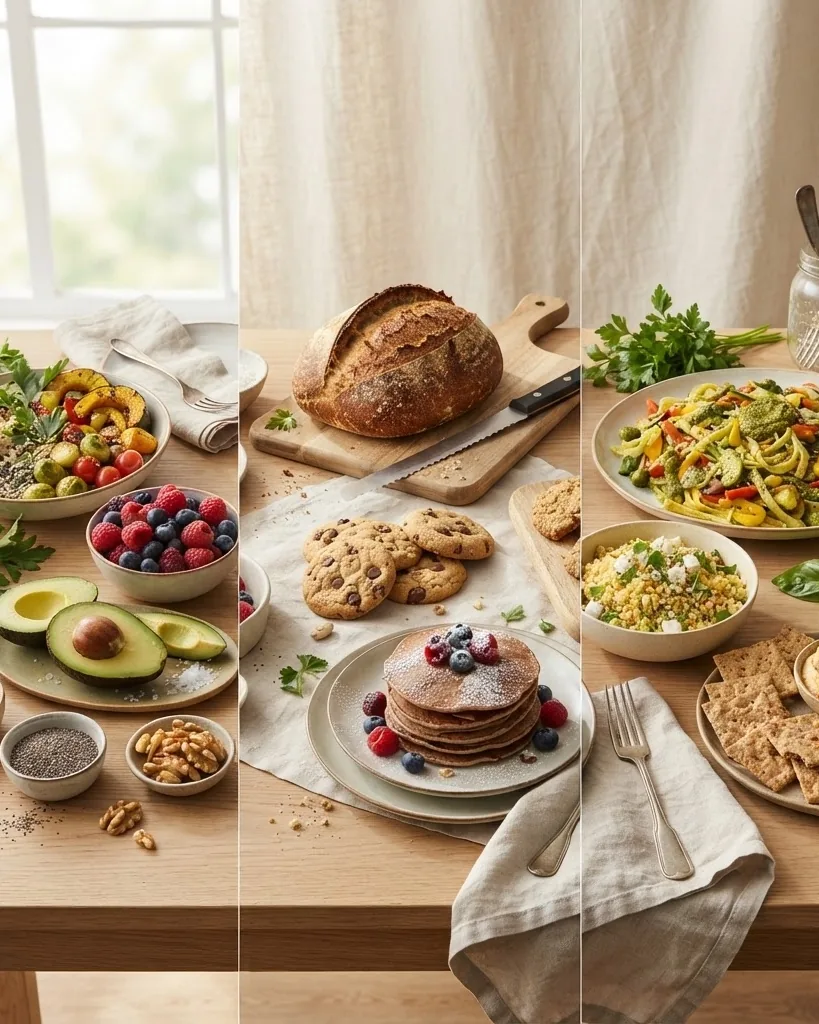
Nutrition: Why Whole Grains Beat Refined Replacements
Going gluten free can quietly cost you nutrients if you lean on refined products. Many packaged gluten free breads, crackers, and snacks strip out the fiber, iron, and B-vitamins that fortified wheat products often carry, leaving you fuller on starch and lighter on nutrition. The Center for Celiac Disease at the Children’s Hospital of Philadelphia, or CHOP, recommends aiming for at least 3 grams of fiber per serving as a practical benchmark when choosing gluten free foods. That single number filters out a lot of empty replacements.
The fix is the same as the budget fix: favor whole gluten free grains over refined ones. Quinoa, buckwheat, amaranth, teff, brown rice, and certified gluten free oats deliver fiber and minerals that white-rice-flour products lack. Read the nutrition panel alongside the ingredient list, not instead of it.
A few habits that keep nutrition intact:
- Choose foods with 3 grams or more of fiber per serving.
- Rotate whole grains rather than eating only rice.
- Watch for low iron and B-vitamins; refined gluten free items rarely fortify.
- Lean on legumes and vegetables to fill fiber gaps cheaply.
Comfort food still fits this frame. A vegetable-loaded Gluten-Free Chicken Pot Pie: Comfort in a Crust or a batch of Crispy Fried Mashed Potato Patties proves that eating well and eating safely are not opposites.
Cross-Contact at Home and in the Store
Cross-contact is how trace gluten sneaks into an otherwise safe meal, and for someone with celiac disease it can undo careful shopping in one shared spatula. It happens when a gluten free food touches a gluten-containing one: shared toasters, colanders, cutting boards, fryer oil, or a knife that spread regular bread and then dipped into the butter. The amounts are tiny, but the 20 parts per million standard exists precisely because tiny amounts matter. Whole Foods Market and the Celiac Disease Foundation both flag one specific store trap, and it is easy to fix.
That trap is the bulk bin. Shared scoops and airborne flour dust make bulk-bin grains and flours a real cross-contact risk even when the product itself is naturally gluten free. Buy sealed, labeled packages instead.
At home, the defenses are cheap and mostly one-time:
- Keep a dedicated toaster or use toaster bags.
- Assign separate colanders, cutting boards, and wooden spoons.
- Use squeeze bottles for condiments to stop double-dipping crumbs.
- Fry gluten free food in clean, un-shared oil.
These small systems matter more than any single product choice. A perfectly labeled flour ruined by a shared sieve is not gluten free by the time it reaches the plate.
The Gluten Free Market and Where It Is Headed
Demand has turned a medical necessity into a large consumer category, though the exact size depends on who is counting. Estimates for the 2025 gluten free market vary by research firm, ranging from about USD 6.3 billion (Future Market Insights) to roughly USD 8.5 billion (Grand View and Fact.MR) up to around USD 11.48 billion (Global Growth Insights), with most clustering near USD 8 billion. Forecast growth rates run roughly 7 to 10 percent CAGR through the early 2030s. North America holds the largest regional share, reported between 35 and 52 percent depending on the report.
The spread in those figures is itself the lesson: treat any single market number with caution, because the firms genuinely disagree on methodology. What is not in dispute is the direction, which is up, driven by both diagnosed need and general demand.
For a cook, the growing market means one good thing: more certified products, better flour blends, and steadier supply than a decade ago. It also means more marketing noise, which circles back to label literacy as your best defense.
A Starter Set of Safe Recipes and Swaps
Knowing the theory is one thing; having a reliable rotation is what makes gluten free eating sustainable. Start with dishes that succeed because they were never structurally dependent on wheat in the first place, then expand into baked goods once you trust your flour blends. The goal is a short list you can cook without thinking, so a busy weeknight never pushes you toward a risky shortcut. Build outward from these anchors and the diet stops feeling restrictive.
Reliable first swaps to master:
- Rice, corn, or potato as the base of any dinner.
- A rice-plus-cornstarch dredge for anything you want crispy.
- An almond or sorghum blend for cookies and quick breads.
- Certified gluten free oats for breakfast and binding.
Once those are second nature, stretch into recipes that feel indulgent rather than compromised, like Crispy Gluten-Free Crab Rangoon Recipe, which shows how far the diet has come from bland substitution. Keep it varied and it stays doable for years, not weeks.
Frequently Asked Questions
Is wheat-free the same as gluten free?
No. Wheat-free only removes wheat, but gluten also lives in barley, rye, and triticale. A product can be wheat-free and still contain barley malt or rye, which makes it unsafe for celiac disease. Always look for the specific gluten free claim, which the FDA ties to less than 20 parts per million, rather than relying on a wheat-free statement alone.
Are oats gluten free?
Oats are naturally gluten free, but they are usually contaminated with wheat during growing and milling, so only certified gluten free oats are safe. A small subset of people with celiac disease also react to avenin, the oat protein itself, and should introduce oats cautiously. For everyone else avoiding gluten, the certified label is the deciding factor to check.
Why do gluten free foods cost more?
Specialized ingredients, smaller production runs, dedicated facilities, and certification testing all raise prices. A 2007 Columbia University study found gluten free products could cost up to roughly 4 times conventional versions, with everyday substitutes often 2 to 3 times more. Building meals around naturally gluten free staples like rice, potatoes, beans, and eggs sidesteps most of that premium entirely.
Does gluten free mean healthier?
Not automatically. Many refined gluten free products are low in fiber, iron, and B-vitamins compared with fortified wheat foods. The Center for Celiac Disease at CHOP suggests aiming for at least 3 grams of fiber per serving. Choose whole gluten free grains such as quinoa, buckwheat, and teff over refined white-rice-flour snacks to keep nutrition strong.
What does the FDA gluten free label actually guarantee?
Under the rule set in August 2013, a product labeled gluten free must contain less than 20 parts per million of gluten, with oats and fermented food rules finalized in August 2020. Third-party marks like the Gluten-Free Certification Organization go stricter, typically 10 parts per million, so a certified box clears a tougher bar than a plain claim.
How common is celiac disease?
Celiac disease affects roughly 1 percent of the U.S. population, the classic estimate being 1 in 133 Americans from the Fasano study in 2003, which works out to at least around 3 million people. Up to roughly 80 percent of cases are thought to be undiagnosed, and the average U.S. diagnosis delay runs about 4 years from first symptoms.
Eating gluten free is not about buying a parallel grocery store. It is about knowing which foods were always safe, reading four grain names off a label, and cooking with flours on their own terms. Do that, and the diet gets cheaper, healthier, and a great deal more enjoyable than the boxed-replacement version most people start with.
If you or someone you cook for is dealing with undiagnosed symptoms, celiac disease is a medical diagnosis, and it is worth talking with a healthcare professional before committing to the diet, since testing is more accurate before you cut gluten out.