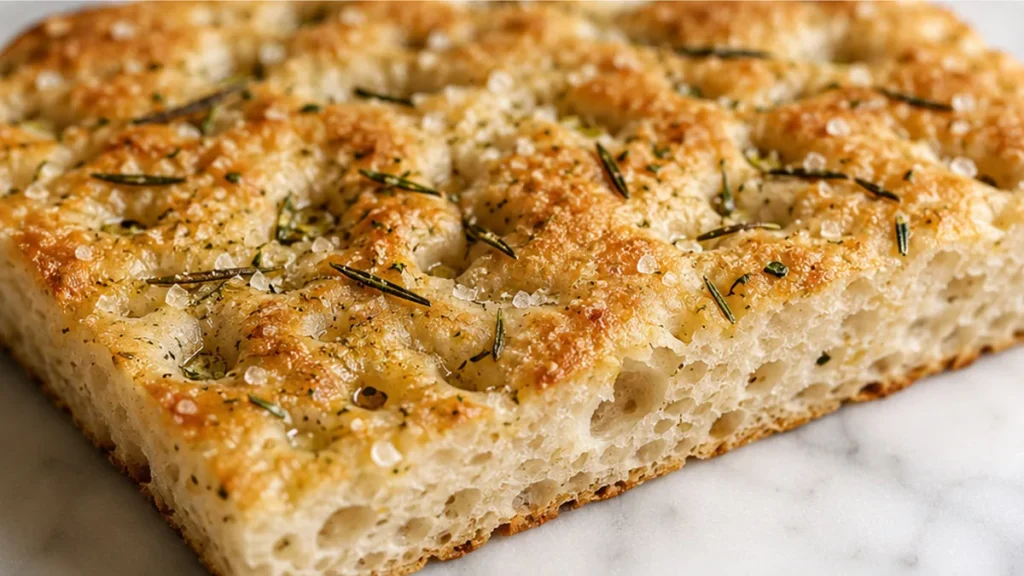
The secret to a truly soft and airy gluten-free focaccia lies in the hydration of the dough and a gentle handling technique. This recipe offers a delightful solution for those seeking a delicious gluten-free focaccia without compromising on texture or flavor. Prepared with a blend of gluten-free all-purpose flour and almond flour, it yields a tender crumb and a beautifully crisp crust. This gluten-free focaccia is designed for ease and enjoyment, proving that gluten-free baking can be both accessible and incredibly satisfying. Whether you’re new to gluten-free baking or a seasoned pro, this recipe ensures a delightful outcome every time.
Key takeaways
- Proper hydration is crucial for gluten-free dough.
- Ensure yeast is active for a good rise.
- Use fresh herbs for enhanced flavor.
- Adjust oil and flour types for desired texture.
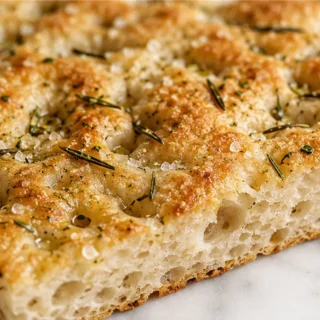
Gluten-Free Rosemary Focaccia
Ingredients
- 3 ½ cups gluten-free all-purpose flour
- 1 cup almond flour
- 1 tsp sea salt or pink salt
- 2 tsp gluten-free baking powder
- 2 ¼ tsp instant yeast
- 1 ½ tbsp granulated sugar
- 3 cups warm water (110°-115°F), divided
- 4 tbsp olive oil
- fresh rosemary, chopped
Instructions
- In a medium bowl, combine the gluten-free all-purpose flour, almond flour, gluten-free baking powder, and salt. Set aside.
- Mix instant yeast, ½ cup warm water, and granulated sugar in a large bowl. Mix and cover with plastic wrap for 10-15 minutes or until it appears foamy.
- After the yeast mixture is foamy, add the remaining water and dry ingredients. Mix well using a wooden spatula until combined. The dough will be wet and sticky.
- Then add the olive oil and mix again until incorporated and the texture is like soft butter.
- Cover with plastic wrap and let the dough rise to double its size (around 45-60 minutes depending on the room temperature).
- Prepare a 9×13-inch baking pan, and line it with parchment paper on the bottom. Grease with generous olive oil (around 2-3 tablespoons) on the bottom and sides.
- If the dough has doubled in size, scrape it into the baking dish. Moisten your fingers with olive oil and gently spread the dough out by creating dimples.
- Drizzle some olive oil and sprinkle rosemary, sea salt, and black pepper on top of the dough before baking.
Video
Notes
The technique that makes it
The key to a successful gluten-free focaccia lies in the balance of hydration and the use of the right leavening agents. The combination of gluten-free all-purpose flour and almond flour provides a unique texture, while the instant yeast ensures a good rise. The warm water activates the yeast, allowing it to produce carbon dioxide, which creates air pockets in the dough. This is essential for achieving a light, airy focaccia. Additionally, the use of olive oil not only enhances flavor but also creates a moist crumb. A high hydration dough (with 3 cups of water) helps to mimic the elasticity that gluten provides, resulting in a focaccia that is tender yet holds its shape.
Troubleshooting
- Problem: Focaccia is dense and heavy.
Fix: Ensure that the yeast is fresh and properly activated. Use warm water (110°-115°F) to help the yeast thrive, and allow the dough to rise adequately. - Problem: Focaccia lacks flavor.
Fix: Increase the amount of salt or add additional herbs to the dough. A sprinkle of sea salt on top before baking can also enhance the flavor. - Problem: Focaccia is too dry.
Fix: Ensure that the dough is adequately hydrated. If the dough feels too dry, add a little more warm water until the desired consistency is reached. - Problem: Focaccia does not rise.
Fix: Check that the instant yeast is still active. If the dough hasn’t risen after the suggested time, consider placing it in a warmer area to encourage fermentation.
Substitutions
- Gluten-free all-purpose flour: Can be substituted with a homemade blend of brown rice flour, tapioca flour, and potato starch for a similar texture.
- Almond flour: For a nut-free version, use sunflower seed flour, which will provide a similar moisture content and flavor.
- Olive oil: Can be replaced with avocado oil or melted coconut oil, though the flavor may vary slightly.
- Fresh rosemary: Dried rosemary can be used in place of fresh; just reduce the amount to about one-third, as dried herbs are more concentrated.
Pro tips
- Don’t overmix the dough once the dry ingredients are added; a sticky, wet dough is desired for a light texture. Working the dough until perfectly smooth leads to a denser focaccia.
- For a beautiful golden crust, bake until the top is deeply golden brown, not just lightly colored. This also helps develop the flavor.
- Store leftover focaccia in an airtight container at room temperature for up to 2 days, or freeze slices for up to 1 month. Reheat in a warm oven for best results.
This gluten-free focaccia recipe delivers on taste and texture, proving that dietary restrictions don’t mean sacrificing flavor. Enjoy it as an appetizer, a side to your favorite meal, or simply with a drizzle of olive oil. Share your baking success!
Frequently asked questions
Can I use regular flour instead of gluten-free flour?
This recipe is specifically designed for gluten-free flours. Using regular flour will change the texture and rise of the focaccia, as gluten provides elasticity and structure.
How long should I let the dough rise?
The dough should rise for about 30-60 minutes in a warm area until it has doubled in size. This may vary depending on the temperature of your kitchen.
Can I add toppings to my focaccia?
Yes, toppings such as olives, cherry tomatoes, or caramelized onions can be added before baking. Just ensure they are not too heavy to avoid weighing down the dough.
How should I store leftover focaccia?
Store leftover focaccia in an airtight container at room temperature for up to 2 days. For longer storage, wrap it tightly and freeze for up to 3 months.