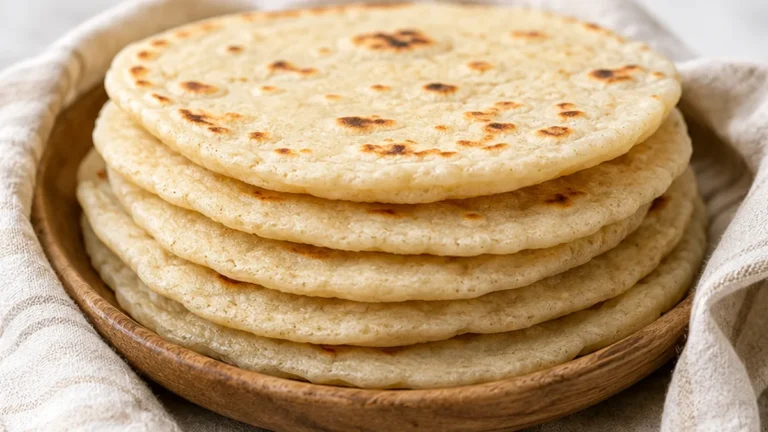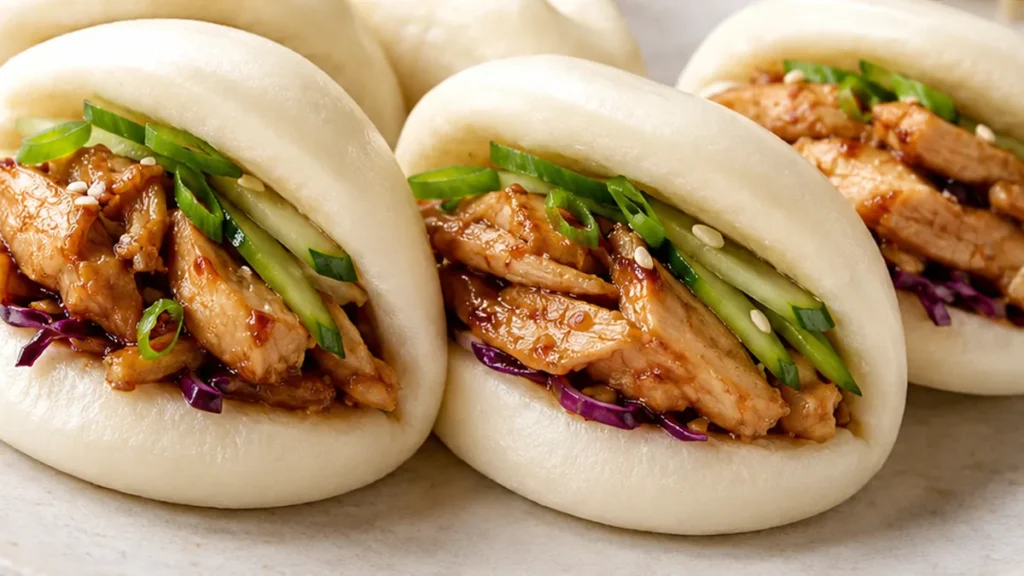
The secret to truly soft gluten-free bao buns lies in the precise blend of flours and the gentle handling of the dough. This recipe delivers a pillowy texture that many gluten-free alternatives struggle to achieve, making these bao a delightful surprise. Creating these gluten-free bao at home is a rewarding experience, transforming simple ingredients into a dish that rivals traditional versions. I remember the first time I made gluten-free bao, the dough was too sticky; adjusting the liquid ever so slightly made all the difference, creating a workable, pliable dough. This recipe focuses on achieving that perfect balance.
Key takeaways
- The right flour blend is crucial for texture.
- Proper hydration keeps the dough pliable.
- Steaming retains moisture for soft buns.
- Resting the dough helps prevent tearing.
Ingredients for gluten-free bao
- 2 ½ cups all purpose gluten-free flour
- ½ cup rice flour
- 3 tbsp granulated sugar
- 1 ½ tsp instant yeast
- 1 tsp baking powder
- 1 tsp xanthan gum
- 1 cup milk
- ½ tsp kosher salt
- 2 tbsp neutral oil
- 1 tbsp olive oil
- Ground chicken
- Garlic
- Ginger
- Onion
- Sesame oil
- Ground pepper
- Molasses
- Soy sauce
How to make gluten-free bao
- In a large mixing bowl, combine gluten-free flour, rice flour, sugar, instant yeast, baking powder and xanthan gum.
- Add milk and mix until smooth using an electric mixer with spiral attachment or standing mixer with hook attachment.
- Once the dough becomes smooth, add oil and kosher salt. Mix again until smooth.
- Cover the dough with a kitchen towel and let it rest for 45 minutes.
- While waiting for the dough, let’s make the filling. Heat olive oil on a wok over medium to low heat. Add garlic and ginger until fragrant. Add onion and cook until translucent.
- Add ground chicken and break it up while cooking so it has no clumps.
- Add sesame oil, salt, ground pepper, molasses and soy sauce. Cook until all the liquid fully absorbs. Take off from the heat and let it cool.
- Punch and divide the dough into 12 balls. Roll each dough into a small disc. Fill with chicken filling, close the dough by pinching the edge.
- Place the filled bao buns on parchment paper squares in a steamer basket.
- Steam the bao buns for 10-12 minutes until cooked through and fluffy.
The technique that makes it
Creating cloud-like gluten-free chicken bao buns relies heavily on the right combination of ingredients and techniques. The use of both all-purpose gluten-free flour and rice flour is essential; the former provides structure while the latter adds a light, airy texture. Instant yeast is crucial for leavening, allowing the dough to rise and create that fluffy quality. The addition of xanthan gum mimics the elasticity of gluten, which is typically absent in gluten-free flours. Hydration plays a significant role; the milk not only moistens the dough but also contributes to the overall flavor and texture. Proper resting time after kneading allows the dough to relax, making it easier to shape without tearing. Lastly, steaming rather than baking is key, as it retains moisture and results in a soft, pillowy bun.
Troubleshooting
- Problem: Bao buns are dense and heavy.
Fix: Ensure that you are using fresh instant yeast and allow the dough to rise adequately before steaming. - Problem: Buns are sticky and hard to handle.
Fix: Increase the amount of xanthan gum slightly or dust your work surface with additional gluten-free flour while shaping. - Problem: Buns collapse after steaming.
Fix: Make sure to steam for the correct amount of time and avoid overcrowding the steamer, which can lead to uneven cooking. - Problem: The dough is too dry.
Fix: Gradually add more milk until the dough reaches a soft, pliable consistency.
Substitutions
- Rice flour: Substitute with tapioca flour for a slightly chewier texture.
- Granulated sugar: Use coconut sugar for a richer flavor and a hint of caramel.
- Milk: Almond milk can be used as a dairy-free alternative without affecting the texture significantly.
- Ground chicken: Swap with ground turkey for a leaner option that still works well in the filling.
Pro tips
- For the fluffiest bao, ensure your yeast is active. If the dough doesn’t rise after 45 minutes, your yeast might be old.
- When filling the bao, don’t overstuff them, or they might burst during steaming. A tablespoon of filling is usually enough.
- To prevent sticking, line your steamer basket with parchment paper or cabbage leaves. Steam bao in batches, leaving space between each for even cooking.
Experiment with different fillings, from vegetarian options to pork belly, to make these gluten-free bao buns truly your own. Enjoy this satisfying and delicious journey into gluten-free Asian cuisine!
Frequently asked questions
Can I make the dough ahead of time?
Yes, you can prepare the dough ahead of time. After kneading, cover it tightly and refrigerate for up to 24 hours. Allow it to come to room temperature before shaping and steaming.
How do I store leftover bao buns?
Store leftover bao buns in an airtight container in the refrigerator for up to three days. To reheat, steam them for a few minutes until warmed through.
Can I freeze the bao buns?
Absolutely! After steaming, allow the bao buns to cool completely, then place them in a single layer on a baking sheet to freeze. Once frozen, transfer them to a freezer bag. Steam from frozen when ready to eat.
What can I use for the filling besides chicken?
You can use a variety of fillings such as sautéed vegetables, tofu, or even pulled pork. Just ensure that the filling is cooked and seasoned well to complement the bao buns.