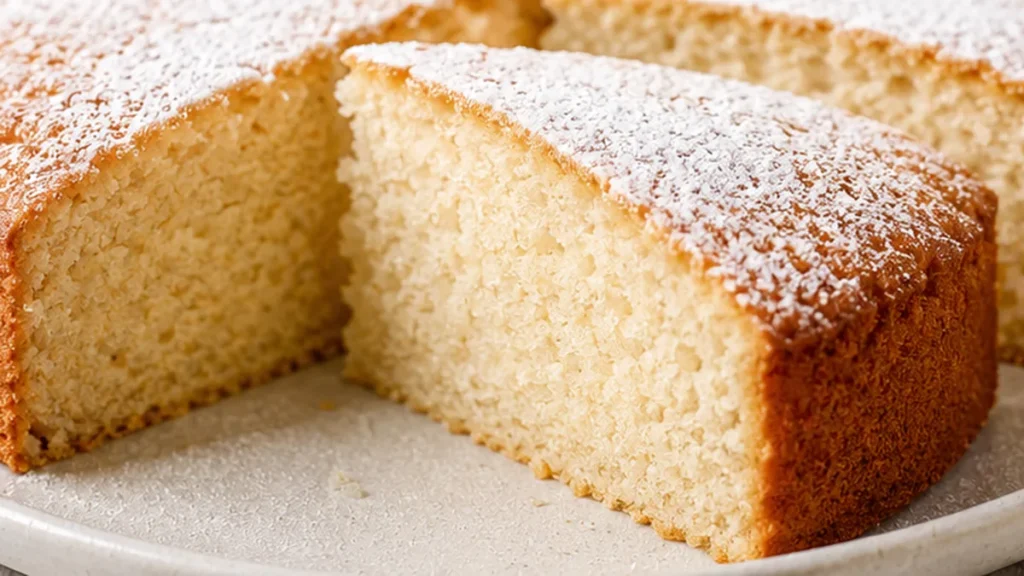
The secret to a truly outstanding gluten-free vanilla cake lies in the balance of ingredients, ensuring a tender crumb that doesn’t feel dry or crumbly. This recipe achieves exactly that, delivering a cake so moist and flavorful, you won’t even realize it’s gluten-free. It’s designed for home bakers seeking a reliable, delicious option for any celebration or simply a delightful everyday treat. My first attempt at a gluten-free vanilla cake years ago resulted in a dense, disappointing loaf. Proper flour blend selection and precise liquid ratios are paramount. This gluten-free vanilla cake recipe focuses on those details to guarantee a light, airy, and utterly satisfying result every time.
Key takeaways
- Proper emulsion of fats and liquids is crucial for texture.
- Use a gluten-free flour blend with a binding agent like xanthan gum.
- Avoid overmixing to prevent a dense cake.
- Check oven temperature for even baking.
Ingredients for gluten-free vanilla cake
- 1 cup (8 oz.) vegetable oil (or oil of choice)
- 1 1/2 cups (300g.) granulated sugar
- 4 large eggs (200g.), room temperature
- 3 cups (420g.) all purpose gluten-free flour blend
- 1/2 teaspoon (3 g.) salt
- 3 teaspoons (12g.) baking powder
- 1 cup (8 oz.) dairy-free milk (or milk of choice)
- 3 teaspoons (8g.) gluten-free vanilla extract
- 1/2 cup (115g) dairy-free butter (or regular butter)
- 2 cups (240g) powdered sugar
How to make gluten-free vanilla cake
- Preheat oven to 350°F (180°C). Grease two 8″ or 9″ pans with oil.
- In a medium bowl, combine oil and granulated sugar.
- Add eggs and beat with an electric mixer at medium speed for one minute. Add flour, salt, baking powder, dairy-free milk, and vanilla; beat for one minute.
- Spoon batter evenly into pans. Bake for 30-35 minutes until centers spring back.
- Let cakes cool in pans for five minutes, then remove to a rack to cool completely.
- For the frosting: In a medium bowl, beat butter and vanilla until smooth. Gradually add powdered sugar, one cup at a time, beating until combined.
- Slowly beat in milk until desired consistency is reached.
- Store in an airtight container at room temperature for up to three days, or in the refrigerator for up to a week.
The technique that makes it
The key to a successful gluten-free vanilla cake lies in the proper emulsion of fats and liquids, as well as the right balance of dry ingredients. Using vegetable oil helps create a moist texture, while the combination of eggs and dairy-free milk contributes to the cake’s structure. When mixing the ingredients, it’s essential to incorporate air into the batter, which can be achieved by creaming the sugar and oil before adding the eggs. This process helps to create a light and fluffy cake. Additionally, ensuring that the gluten-free flour blend contains xanthan gum or a similar binder is crucial for providing the necessary structure and preventing crumbliness.
Troubleshooting
- Problem: Cake is dense and heavy.
Fix: Ensure that you are using a gluten-free flour blend that contains a binding agent like xanthan gum, and avoid overmixing the batter, which can lead to a tough texture. - Problem: Cake is dry.
Fix: Check the measurement of your liquids; adding a bit more dairy-free milk can help retain moisture. Also, make sure to bake the cake for the correct amount of time. - Problem: Cake sinks in the middle.
Fix: This can occur if the batter is not mixed enough to incorporate air or if the oven temperature is too low. Use an oven thermometer to ensure accurate baking temperatures. - Problem: Cake has a gritty texture.
Fix: Ensure that you are using a finely milled gluten-free flour blend. If your blend contains larger particles, it may lead to a gritty mouthfeel.
Substitutions
- Vegetable oil: Can be replaced with melted coconut oil for a subtle coconut flavor and similar moisture.
- Dairy-free milk: Any plant-based milk (like almond or soy milk) can be used without affecting the overall flavor or texture.
- Dairy-free butter: Regular butter can be used if dairy is not a concern, providing a richer flavor.
- Granulated sugar: Coconut sugar can be used as a healthier alternative, but it may slightly alter the cake’s color and flavor.
Pro tips
- Don’t overmix the batter; beat just until combined to keep the cake tender.
- Ensure all cold ingredients are at room temperature for a smoother, more emulsified batter.
- For a perfect bake, check the cake for doneness: an inserted toothpick should come out clean, and the center should spring back when lightly touched. For best texture, avoid overbaking.
- Store leftover cake in an airtight container at room temperature for up to 3 days, or refrigerate for up to a week. For longer storage, individual slices can be frozen for up to 2 months.
This easy gluten-free vanilla cake is a true crowd-pleaser, proving that gluten-free baking can be just as delicious and satisfying. Share your beautiful creations with friends and family!
Frequently asked questions
Can I use regular all-purpose flour instead of gluten-free flour?
No, this recipe is specifically designed for gluten-free flour. Using regular all-purpose flour will change the texture and structure of the cake.
How do I store the gluten-free vanilla cake?
Store the cake in an airtight container at room temperature for up to 3 days, or refrigerate it for up to a week. For longer storage, freeze it wrapped tightly.
Can I add flavors or mix-ins to the cake?
Yes, you can add flavors such as lemon zest or almond extract. Mix-ins like chocolate chips or nuts can also be incorporated, but be mindful of the additional moisture.
What can I use instead of eggs in this recipe?
You can substitute each egg with 1/4 cup of unsweetened applesauce or a flaxseed meal mixture (1 tablespoon flaxseed meal + 2.5 tablespoons water). This will help bind the ingredients together.