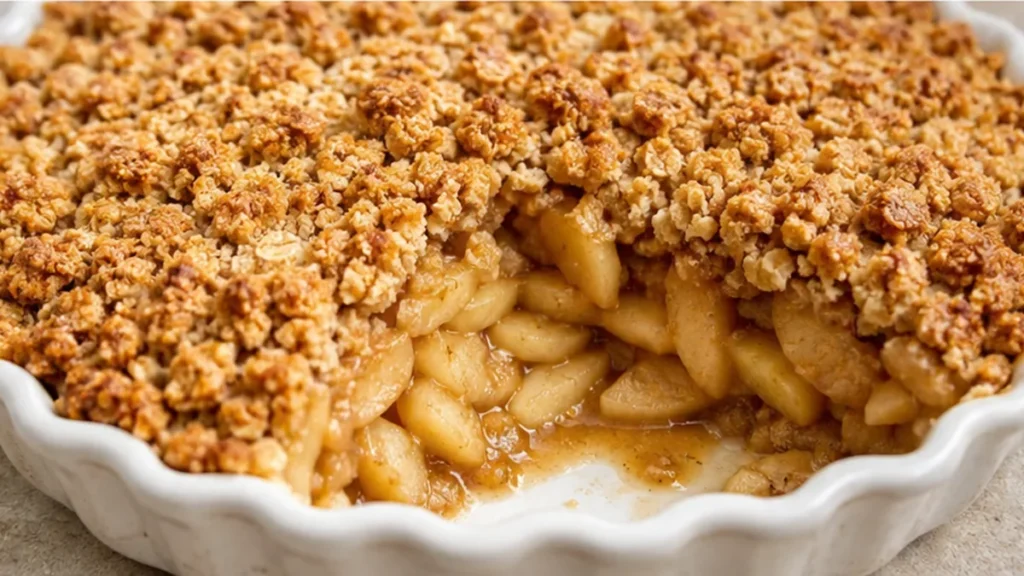
The secret to a truly exceptional Dutch apple pie lies in the perfect balance of a tender, flaky crust and a warmly spiced, sweet apple filling. This recipe guides you through creating a gluten-free version that doesn’t compromise on flavor or texture, using simple ingredients. Crafting the perfect Dutch apple pie involves careful attention to the dough, ensuring it’s cold and pliable, and selecting the right apples for a filling that holds its shape and delivers a burst of autumnal flavor. This dutch apple pie will quickly become a family favorite.
Key takeaways
- Use cold ingredients to ensure a flaky crust.
- Balance sweet and tart apples for the filling.
- Avoid overworking the dough to keep it tender.
- Incorporate a thickening agent for a non-watery filling.
Ingredients for dutch apple pie
- 1 1/2 cups all-purpose gluten-free flour blend
- 1/4 teaspoon table salt
- 1/2 cup (1 stick) cold butter, cut into small pieces
- 3 tablespoons cold milk
- 1/2 teaspoon gluten-free vanilla extract
- 1 tablespoon lemon juice
- 3 pounds apples, before peeling
- 1/4 cup brown sugar
- 1/2 cup granulated sugar
- 1/2 teaspoon table salt (for filling)
How to make dutch apple pie
- In a medium bowl, whisk together the flour and 1/4 teaspoon salt.
- Add the cold butter and cut it into the flour using a pastry cutter until the mixture looks like coarse crumbs.
- Pour in the cold milk and mix with your hands just until the dough starts to come together.
- Add the vanilla extract and knead gently until a smooth dough ball forms.
- Wrap the dough ball tightly in plastic wrap and refrigerate for 1 hour.
- Roll the chilled dough between two sheets of parchment paper into a circle large enough to fit your pie pan.
- Place the greased pie pan upside down over the dough, then flip everything together so the pan is right-side up. Gently press and shape the dough into the pan. Trim the edges.
The technique that makes it
In Grandma’s Dutch Apple Pie, the key to achieving the perfect texture lies in the balance of the crust and the filling. The gluten-free flour blend should be kept cold to maintain the integrity of the dough. This prevents the butter from melting too quickly, which is crucial for creating a flaky crust. When you incorporate the butter, aim for a coarse crumb texture, as this will help in achieving that light, flaky quality. Additionally, the use of cold milk and vanilla extract enhances the dough’s flavor while ensuring it remains pliable. For the filling, using a mix of tart and sweet apples is essential; varieties like Granny Smith and Honeycrisp provide a balanced flavor and texture. Finally, adding lemon juice brightens the apple flavor and prevents browning, ensuring a visually appealing pie.
Troubleshooting
- Problem: Crust is too crumbly and falls apart.
Fix: Ensure that the butter is cold and not overworked into the flour. If the dough is too dry, add a teaspoon of cold water or milk at a time until it holds together. - Problem: Filling is too watery after baking.
Fix: To absorb excess moisture, toss the apples with a tablespoon of cornstarch or flour before adding them to the pie. This will help thicken the juices. - Problem: Crust is too tough.
Fix: Overworking the dough can make it tough. Mix until just combined and handle it as little as possible. - Problem: Pie is not browning properly.
Fix: If the top is pale, consider brushing the crust with an egg wash (a beaten egg mixed with a little water) before baking to promote browning.
Substitutions
- Gluten-free flour blend: Use a 1:1 all-purpose flour if gluten is not a concern. This will yield a similar texture and flavor.
- Brown sugar: Substitute with coconut sugar for a more caramel-like flavor with a slightly different sweetness.
- Butter: Replace with coconut oil for a dairy-free alternative, though it may slightly alter the texture.
- Lemon juice: Use apple cider vinegar if lemon juice is unavailable; it will still provide acidity to balance the sweetness of the apples.
Pro tips
- Use a mix of sweet and tart apples (like Honeycrisp and Granny Smith) for a balanced filling.
- Ensure your butter is very cold for a flaky crust; small pieces are key.
- If your dough cracks while rolling, let it sit at room temperature for a few minutes to soften slightly, then try again. If the dough is too dry, a splash of ice water helps bring it together without overworking it.
- For best results, chill the dough for at least 1 hour, or even overnight, to prevent shrinkage during baking.
This Dutch apple pie recipe delivers on taste and texture, offering a delightful gluten-free option for a beloved classic. Enjoy baking and sharing this comforting dessert with loved ones!
Frequently asked questions
Can I use frozen apples for the filling?
Yes, you can use frozen apples, but make sure to thaw and drain them well to avoid excess moisture in the filling. This will help maintain the pie’s texture.
How do I know when the pie is done baking?
The pie is done when the crust is golden brown and the filling is bubbling. You can also insert a knife into the filling to check if the apples are tender.
Can I make the pie crust ahead of time?
Absolutely! You can prepare the pie crust in advance, wrap it tightly in plastic wrap, and refrigerate it for up to 3 days or freeze it for up to 3 months.
What type of apples are best for Dutch apple pie?
A mix of tart apples like Granny Smith and sweeter varieties like Honeycrisp or Fuji works best. This combination provides a balanced flavor and texture in the pie.