
These scrumptious gluten free lemon poppy muffins are easy to make. Using yogurt ensures a moist texture, making them perfect for breakfast or a snack.
Key takeaways
- Poppy seeds enhance flavor and texture, providing a nutty crunch.
- Use a blend of gluten-free flours for a light muffin texture.
- Avoid dryness by adding moisture-rich ingredients like yogurt or applesauce.
- Experiment with ingredient swaps to create unique flavor profiles.
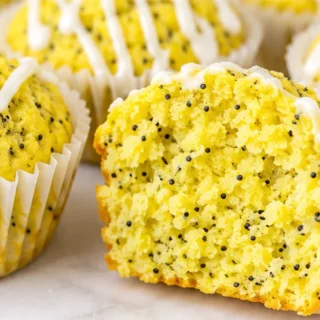
Scrumptious Gluten-Free Lemon Poppy Seed Muffins!
Ingredients
Instructions
- Line 18 muffin tins with paper liners. Set aside for now.
- Preheat oven to 350°F (180°C).
- In a medium bowl, whisk together gluten-free flour, poppy seeds, baking powder, xanthan gum (if needed) and salt. Set aside for now.
- In a large bowl, combine sugar, sour cream, melted butter, eggs, lemon juice, lemon zest and vanilla extract. Mix together well with a handheld mixer on low speed or mix by hand with a silicone spatula. Mix until fully combined.
- Fill each paper-lined muffin tin until they are about ¾ full. There will be enough muffin batter for 18 muffins. Scooping Tip: This is a thick batter. To get perfectly round and even scoops into each paper liner, use an ice cream scoop (very lightly sprayed with non-stick baking oil) to scoop batter into each paper liner. Add coarse sugar on top if desired before baking.
- Place muffins into the oven and bake for 22-24 minutes or until a toothpick inserted into the middle of the muffins comes out clean (without any wet raw batter left on the toothpick).
- Let muffins cool completely before removing from muffin tins.
- Glaze: Combine the powdered sugar and lemon juice in a small bowl and stir until smooth. Drizzle over cooled muffins.
Understanding the Role of Poppy Seeds in Flavor and Texture
Poppy seeds not only add a visual appeal to gluten-free lemon poppy seed muffins but also contribute to their unique flavor and texture. These tiny seeds contain healthy fats, protein, and dietary fiber, enhancing the nutritional profile of the muffins. When baked, poppy seeds provide a delightful crunch that contrasts with the soft, fluffy muffin texture. Their nutty flavor complements the citrus notes of lemon, creating a balanced taste experience. For optimal flavor release, consider toasting the seeds lightly before incorporating them into the batter, which can intensify their nuttiness.
How to Achieve the Perfect Muffin Rise Without Gluten
The absence of gluten in gluten-free baking can lead to denser muffins if not handled correctly. To achieve a light and fluffy texture, it is crucial to use a blend of gluten-free flours that mimic the properties of wheat flour. A combination of almond flour and a starch such as tapioca or cornstarch can provide the necessary lift and moisture. Additionally, incorporating baking powder and baking soda in the right proportions helps create air pockets during baking. A typical ratio is about 1 teaspoon of baking powder per 120 grams of flour. Ensuring your leavening agents are fresh can significantly impact the rise of your muffins.
Common Pitfalls in Gluten-Free Baking and How to Avoid Them
One common issue in gluten-free baking is the tendency for muffins to become dry. This can be attributed to the lack of gluten, which provides moisture retention in traditional recipes. To combat dryness, consider adding ingredients such as yogurt, applesauce, or even mashed bananas, which not only add moisture but also enhance flavor. Another pitfall is overmixing the batter, which can lead to a tough texture. Mix just until the wet and dry ingredients are combined to maintain a tender crumb. Lastly, underbaking can result in gummy centers; ensure your muffins are baked until a toothpick inserted comes out clean.
Ingredient Swaps That Enhance Flavor and Texture
Experimenting with ingredient substitutions can lead to exciting flavor profiles in your gluten-free lemon poppy seed muffins. For instance, swapping regular sugar for coconut sugar can impart a subtle caramel flavor while maintaining sweetness. If you prefer a dairy-free option, almond milk can be used in place of cow’s milk, providing a nutty undertone. Additionally, using lemon zest instead of lemon juice can intensify the citrus flavor without adding excess liquid, which can affect the muffin’s structure. Each swap may alter the final product slightly, so it’s essential to consider the balance of wet and dry ingredients.
How to Prepare Gluten-Free Lemon Poppy Seed Muffins in Advance
Making gluten-free lemon poppy seed muffins ahead of time can be a great way to save time during busy mornings. To prepare the batter in advance, mix the dry ingredients and store them in an airtight container. When you’re ready to bake, simply combine the wet ingredients and mix them with the dry. This method not only saves time but also enhances the flavors as they meld together. If you want to freeze the muffins, allow them to cool completely before placing them in a freezer-safe bag. They can be stored for up to three months. To reheat, simply pop them in the microwave for a few seconds or in a preheated oven at 180°C (350°F) for about 10 minutes.
Understanding the Impact of Ingredient Quality on Muffin Texture
The quality of ingredients used in gluten-free baking can significantly affect the texture and flavor of your muffins. For instance, using fresh, high-quality gluten-free flour blends can lead to a lighter and fluffier muffin. When selecting poppy seeds, choose those that are fresh and have not been sitting on the shelf for too long, as stale seeds can impart a bitter taste. Additionally, the freshness of the lemons used for zest and juice can enhance the overall flavor profile of the muffins. It’s advisable to use organic lemons when possible, as they tend to have a more vibrant flavor and zest.
Scaling Recipes: Adjusting Batch Sizes for Gluten-Free Muffins
Scaling your gluten-free lemon poppy seed muffin recipe can be done easily, whether you want to make a smaller batch or double it for a gathering. When increasing the batch size, ensure that you maintain the same ratios of wet to dry ingredients. For example, if you double the recipe, use two times the amount of each ingredient. However, be cautious with the baking time; larger batches may require a longer baking time, and smaller batches may bake faster. Always check for doneness by inserting a toothpick in the center of the muffins; it should come out clean when they are ready.
Optimal Serving Suggestions to Enhance Flavor
Serving gluten-free lemon poppy seed muffins with complementary flavors can elevate the overall experience. Consider pairing them with a light cream cheese frosting or a citrus glaze to enhance the lemon flavor. A dollop of Greek yogurt can also add creaminess and balance the muffin’s sweetness. For a more indulgent treat, serve them alongside a berry compote or fresh fruit. Additionally, these muffins pair well with a hot cup of tea or coffee, making them an excellent choice for breakfast or afternoon snacks.
How to Store and Reheat Gluten-Free Lemon Poppy Seed Muffins
Proper storage of gluten-free lemon poppy seed muffins is crucial for maintaining their texture and flavor. After baking, allow the muffins to cool completely on a wire rack. To store, place them in an airtight container at room temperature for up to 2 days. For longer storage, consider freezing them. Wrap each muffin individually in plastic wrap, then place them in a freezer-safe bag. They can be frozen for up to 3 months. When you’re ready to enjoy them, thaw at room temperature or reheat in the microwave for about 15-20 seconds. This method helps retain moisture and keeps the muffins soft.
Scaling the Recipe for Different Batch Sizes
Scaling your gluten-free lemon poppy seed muffins recipe can be straightforward, but it requires careful measurement to maintain the right texture. When doubling the recipe, ensure that you adjust the baking time slightly, as larger batches may take longer to bake evenly. For example, if the original recipe calls for a baking time of 20 minutes, check for doneness around 22-24 minutes when doubling. Additionally, consider using a larger muffin tin or baking them in two separate batches to ensure even cooking. This way, you can enjoy fresh muffins without compromising on quality.
Choosing the Right Equipment for Optimal Baking Results
The equipment you use can significantly impact the outcome of your gluten-free lemon poppy seed muffins. For best results, opt for a light-colored, non-stick muffin tin, which helps prevent over-browning. Silicone muffin cups are also a great alternative, as they allow for easy release without sticking. Additionally, using a kitchen scale for measuring ingredients can improve accuracy, especially when working with gluten-free flours that may have different densities. Finally, a good-quality whisk and spatula will ensure that your batter is well combined, leading to a uniform texture in the final product.
Understanding the Effect of Ingredient Quality on Muffin Freshness
The freshness of your gluten-free lemon poppy seed muffins is heavily influenced by the quality of your ingredients. Using fresh, high-quality ingredients can significantly enhance the flavor and texture of your muffins. For instance, using freshly zested lemons instead of bottled lemon juice can elevate the citrus aroma and brightness in the muffins. Similarly, opting for high-quality gluten-free flour blends that contain a variety of flours (like almond or coconut flour) can improve the overall structure and moisture retention. It’s essential to check the expiration dates on your baking powder and baking soda, as these leavening agents lose potency over time, affecting the rise and texture of your muffins. Additionally, the freshness of poppy seeds matters; stale seeds can impart a less vibrant flavor. Aim to use ingredients that are as fresh as possible to ensure your muffins are scrumptious and aromatic.
Scaling Your Recipe for Different Occasions
When scaling your gluten-free lemon poppy seed muffin recipe, it’s crucial to maintain the right ratios for optimal results. If you’re increasing the batch size, consider that gluten-free batters can behave differently than traditional batters. For example, when doubling the recipe, ensure that you mix the dry and wet ingredients thoroughly to maintain the same texture. Additionally, larger batches may require longer baking times, so keep an eye on the muffins as they bake. A helpful tip is to use an oven thermometer to ensure your oven is at the correct temperature, especially when baking larger quantities. Conversely, if you’re scaling down for a smaller batch, be cautious with the leavening agents, as reducing them too much can lead to denser muffins. Always adjust your baking time accordingly, checking for doneness with a toothpick. This careful approach to scaling will help you achieve consistently delicious muffins, regardless of the quantity.
Pro tips
Pro tip: Best served immediately while hot!
Frequently asked questions
Can I use regular flour instead of gluten-free flour?
Using regular flour will change the texture and make the muffins unsuitable for those with gluten intolerance. Gluten-free flour blends are specifically formulated to mimic the properties of wheat flour.
How can I store leftover muffins?
Store leftover muffins in an airtight container at room temperature for up to three days. For longer storage, consider freezing them, which can keep them fresh for up to three months.
What can I substitute for poppy seeds?
If you don’t have poppy seeds, chia seeds or sesame seeds can be used as substitutes. However, they will provide different flavors and textures, so keep that in mind when making your muffins.
How do I know when the muffins are done baking?
Muffins are done when a toothpick inserted into the center comes out clean or with a few moist crumbs attached. The tops should also be golden brown and spring back when lightly pressed.
More from Gluten-Free Bread & Baking →