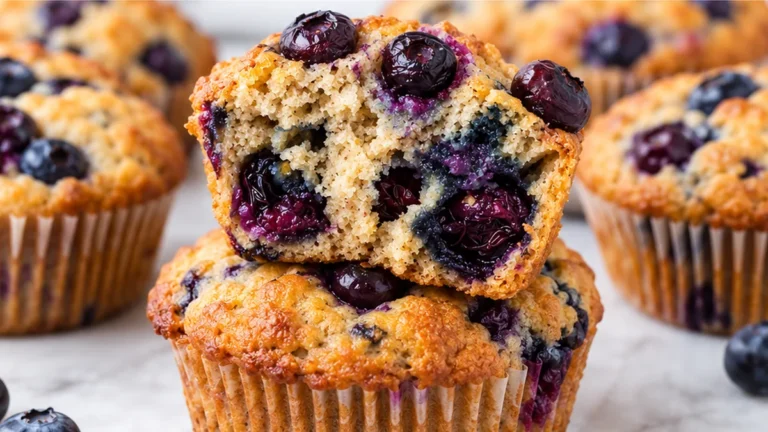
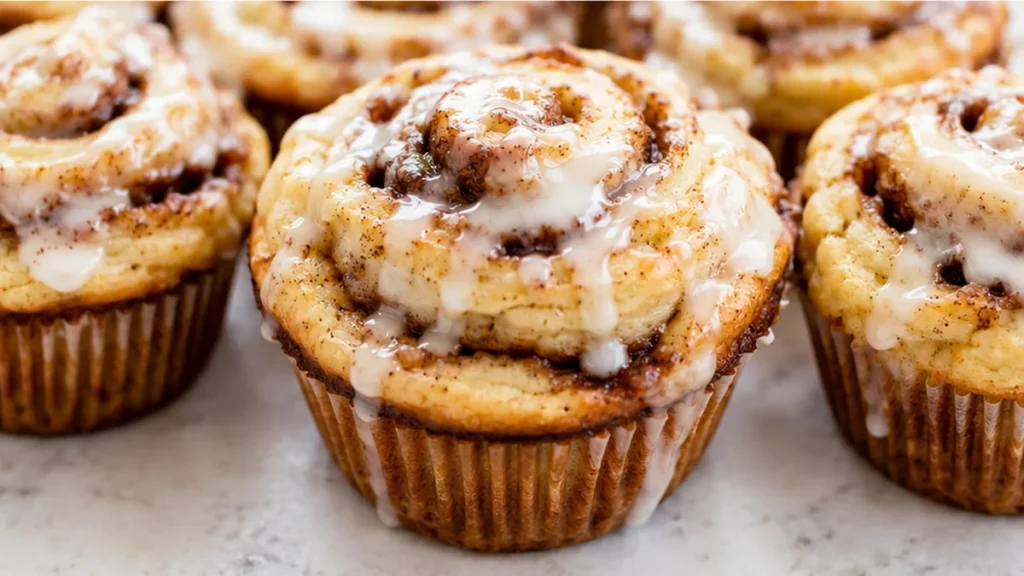
The secret to truly delicious cinnamon roll muffins, especially a gluten-free version, lies in not overmixing the batter and ensuring the right balance of moisture. This recipe for Gluten-Free Cinnamon Roll Muffins delivers all the classic flavor and tender crumb you crave, making them a fantastic option for anyone with dietary restrictions or simply looking for a delightful baked good. These cinnamon roll muffins stand out because they achieve that classic bakery-style texture without gluten, relying on a thoughtful combination of ingredients and a specific method to keep them light and airy. They are perfect for a weekend breakfast, a grab-and-go snack, or even a thoughtful gift. Gluten-free flour can make these dense, but gently folding in the softened butter and not overmixing gives a fluffy result.
Key takeaways
- Utilize a good gluten-free flour blend for optimal texture.
- Mix wet and dry ingredients carefully to prevent density.
- Ensure proper oven temperature for even baking.
- Experiment with ingredient swaps for varied flavors and textures.
Fluffy GF Cinnamon Roll Muffins: Pure Bliss!
Ingredients
- 1 ½ cups all-purpose gluten-free flour
- ¾ tsp xanthan gum
- ⅛ tsp salt
- ½ cup granulated sugar
- 2 tsp gluten-free baking powder
- ¾ cups milk
- 1 egg
- 1 tsp pure vanilla extract
- ¼ cup butter, melted
- ¼ cup butter, softened
Instructions
- In a large bowl, whisk together the gluten-free flour, xanthan gum, salt, granulated sugar, and gluten-free baking powder.
- In a separate medium bowl, whisk together the milk, egg, and pure vanilla extract.
- Pour the wet ingredients into the dry ingredients and mix until just combined. Be careful not to overmix.
- Stir in the ¼ cup melted butter until fully incorporated.
- Gently fold in the ¼ cup softened butter, creating small pockets and swirls for the ‘cinnamon roll’ effect. Do not fully combine.
- Divide the batter evenly into a greased muffin tin, filling each cup about two-thirds full.
- Bake according to package directions for muffins, or until a toothpick inserted into the center comes out clean.
Video
Notes
Understanding the Role of Gluten-Free Flour
Using gluten-free flour in cinnamon roll muffins is crucial for achieving the right texture. Gluten-free flour blends often contain a mix of starches and proteins that mimic the elasticity of gluten. For this recipe, 1½ cups of all-purpose gluten-free flour provides the necessary structure. The addition of ¾ tsp of xanthan gum helps bind the ingredients, creating a chewy texture similar to traditional muffins.
The Importance of Proper Mixing Techniques
Mixing the ingredients correctly ensures even distribution and proper texture. When combining the dry ingredients (flour, baking powder, salt, and sugar), whisk them together to prevent clumping. When adding wet ingredients (milk, egg, vanilla, and melted butter), mix until just combined to avoid overmixing, which can lead to dense muffins. Aim for a batter consistency that is thick yet pourable.
Why Temperature Matters in Baking
Temperature plays a vital role in the baking process. Preheat your oven to 350°F (175°C) to ensure even baking. The butter should be melted but not too hot when mixed with other ingredients; if it’s too hot, it can cook the egg prematurely. The muffins should bake for about 15-20 minutes, until golden brown and a toothpick inserted comes out clean. This ensures that the muffins rise properly and develop a fluffy texture.
Common Issues and Their Solutions
- Issue: Muffins are dense.
- Cause: Overmixing the batter.
- Fix: Mix until just combined to keep the muffins light.
- Issue: Muffins stick to the pan.
- Cause: Insufficient greasing.
- Fix: Use softened butter to grease the muffin tin thoroughly.
- Issue: Uneven baking.
- Cause: Oven temperature fluctuations.
- Fix: Use an oven thermometer to ensure the correct temperature.
Ingredient Swaps and Their Effects
- Swap: Almond milk for regular milk.
- Effect: Adds a nutty flavor but may alter texture slightly.
- Swap: Coconut oil for butter.
- Effect: Provides a dairy-free option, but may yield a denser muffin.
- Swap: Maple syrup for granulated sugar.
- Effect: Adds moisture and a distinct flavor, but may require adjusting liquid ratios.
Unique Characteristics of Cinnamon Roll Muffins
Cinnamon roll muffins stand out from other muffin varieties due to their unique flavor profile and texture, resembling a cinnamon roll in muffin form. The combination of cinnamon and sugar creates a delightful swirl, while the fluffy texture differentiates them from denser baked goods. This recipe captures the essence of a cinnamon roll while offering the convenience of a muffin.
How to Prepare Cinnamon Roll Muffins in Advance
These cinnamon roll muffins can be prepared ahead of time, making them perfect for busy mornings or gatherings. To make them in advance, prepare the batter and fill the muffin tins as directed. Cover them with plastic wrap and refrigerate for up to 24 hours before baking. This allows the flavors to meld and the muffins to rise slightly in the fridge. When ready to bake, simply remove them from the refrigerator and let them sit at room temperature for about 15-20 minutes before placing them in a preheated oven at 350°F (175°C) for about 18-20 minutes. This method ensures that the muffins are fresh and fluffy without sacrificing quality.
Adjusting Recipe Quantities for Different Batch Sizes
Scaling the recipe for cinnamon roll muffins can be easily achieved, whether you want to make a smaller or larger batch. To maintain the correct ratios, simply multiply or divide the ingredients accordingly. For instance, if you want to make half the recipe, use ¾ cup of gluten-free flour and 1 egg. For a double batch, use 3 cups of flour and 2 eggs. However, keep in mind that baking times may vary slightly; larger batches may require a few extra minutes in the oven, while smaller batches may bake faster. Always check for doneness with a toothpick inserted in the center.
Choosing the Right Equipment for Perfect Muffins
The equipment you use can significantly affect the outcome of your cinnamon roll muffins. It’s best to use a standard muffin tin, preferably non-stick or lined with paper liners to prevent sticking. If using silicone muffin molds, reduce the baking time slightly as they often cook faster. For mixing, a hand mixer or stand mixer can ensure that the ingredients are well combined and aerated, which is crucial for achieving a light and fluffy texture. Additionally, an oven thermometer can help ensure your oven is at the correct temperature, as inaccurate oven settings can lead to underbaking or overbaking.
Pairing Suggestions for Cinnamon Roll Muffins
Cinnamon roll muffins are versatile and can be paired with various accompaniments to enhance their flavor. A simple glaze made from powdered sugar and milk can add sweetness and moisture. For a breakfast spread, consider serving them with cream cheese frosting or a dollop of whipped cream. Additionally, fresh fruits like berries or sliced bananas can complement the sweet, spiced flavor of the muffins. For a beverage pairing, a warm cup of coffee or chai tea works beautifully, balancing the sweetness of the muffins with their spiced notes.
How to Achieve Perfectly Fluffy Texture in Cinnamon Roll Muffins
The key to achieving a light and fluffy texture in your cinnamon roll muffins lies in the proper mixing and the balance of wet to dry ingredients. Start by whisking the dry ingredients together thoroughly to ensure even distribution of the gluten-free flour, xanthan gum, and baking powder. When combining wet and dry ingredients, mix just until combined; overmixing can lead to dense muffins. The ideal batter consistency should be thick yet pourable, similar to a pancake batter. If you find the batter too thick, you can add a tablespoon of milk at a time until the desired consistency is reached. Additionally, letting the batter rest for about 10 minutes before baking allows the xanthan gum to hydrate fully, which can improve the texture.
How to Scale Your Cinnamon Roll Muffins for Any Occasion
Scaling the recipe for cinnamon roll muffins is straightforward but requires attention to detail. If you want to double the recipe, maintain the same ratios of ingredients to ensure consistency in texture and flavor. For instance, using 3 cups of gluten-free flour, 1 ½ cups of sugar, and 1 ½ teaspoons of xanthan gum will yield a larger batch without compromising quality. However, baking times may vary; larger batches might require an extra 5-10 minutes in the oven. Always check for doneness by inserting a toothpick into the center of a muffin; it should come out clean. If you’re halving the recipe, be cautious with the egg measurement; you can use a half egg by whisking one egg and using 2 tablespoons of the mixture.
Understanding the Impact of Ingredient Quality on Flavor
The quality of ingredients can significantly affect the flavor profile of your cinnamon roll muffins. Freshly ground gluten-free flour blends often yield better results than pre-packaged options, as they contain more flavor and nutrients. Similarly, using high-quality butter can enhance the richness and depth of flavor in your muffins. The freshness of spices, particularly cinnamon, also plays a critical role; stale spices can lead to a muted taste. When making these muffins, consider the seasonality of your ingredients. For example, butter from grass-fed cows can have a richer flavor in the spring and summer months. Additionally, using organic milk can impart a creamier taste. Always taste your batter before baking; if it lacks sweetness or spice, adjust accordingly.
Why the cinnamon roll muffins don’t hold their shape
The structure of cinnamon roll muffins relies heavily on the balance of ingredients and the mixing technique. If the batter is too wet or overmixed, the muffins can spread instead of rising. Ensure you measure the gluten-free flour accurately (about 180 grams per 1½ cups) and mix just until combined. Overmixing can lead to a dense texture and loss of shape. Baking powder should be fresh, as expired leavening agents can result in flat muffins. Bake at 375°F (190°C) for 18-22 minutes, ensuring the center is set but not overbaked. If your muffins collapse, it might be due to not allowing them to cool in the pan for a few minutes before transferring them to a wire rack, which can compromise their structure.
Understanding the impact of ingredient temperature on cinnamon roll muffins
The temperature of your ingredients plays a crucial role in the final texture of cinnamon roll muffins. Using cold milk or butter can hinder the emulsion process, resulting in uneven mixing and a less fluffy muffin. For optimal results, ingredients like milk and eggs should be at room temperature, ideally around 70°F (21°C). This allows for better incorporation and a smoother batter. Conversely, melted butter should be slightly cooled before adding it to the mixture to avoid cooking the egg. If using softened butter, ensure it is pliable but not greasy, as this can lead to a dense muffin. A good practice is to leave butter and eggs out for about 30 minutes before baking.
Pro tips
- Don’t overmix the batter; mix until just combined to ensure tender muffins.
- For a richer flavor, use full-fat milk and butter.
- Store leftover muffins in an airtight container at room temperature for up to 3 days or freeze for up to 2 months. Thaw at room temperature or reheat briefly in the microwave.
Give these Gluten-Free Cinnamon Roll Muffins a try for a delightful and easy treat that brings all the warmth of cinnamon rolls without the fuss. Enjoy them fresh from the oven or as a convenient snack throughout the week!
Frequently asked questions
Can I use regular flour instead of gluten-free flour?
No, this recipe is specifically designed for gluten-free flour, which has different properties than regular flour. Using regular flour will change the texture and may not yield the desired results.
How can I make these muffins dairy-free?
You can substitute the milk with almond milk or another non-dairy milk and use coconut oil instead of butter. This will create a dairy-free version while maintaining a similar texture.
What should I do if my muffins are too dry?
If your muffins turn out dry, it could be due to overbaking or not enough moisture. Ensure you are measuring ingredients correctly and check for doneness a few minutes before the suggested baking time.
Can I freeze cinnamon roll muffins?
Yes, you can freeze these muffins. Allow them to cool completely, then wrap them tightly in plastic wrap or place them in an airtight container. They can be frozen for up to three months. Reheat in the microwave or oven when ready to enjoy.
More from Gluten-Free Breakfast & Brunch →