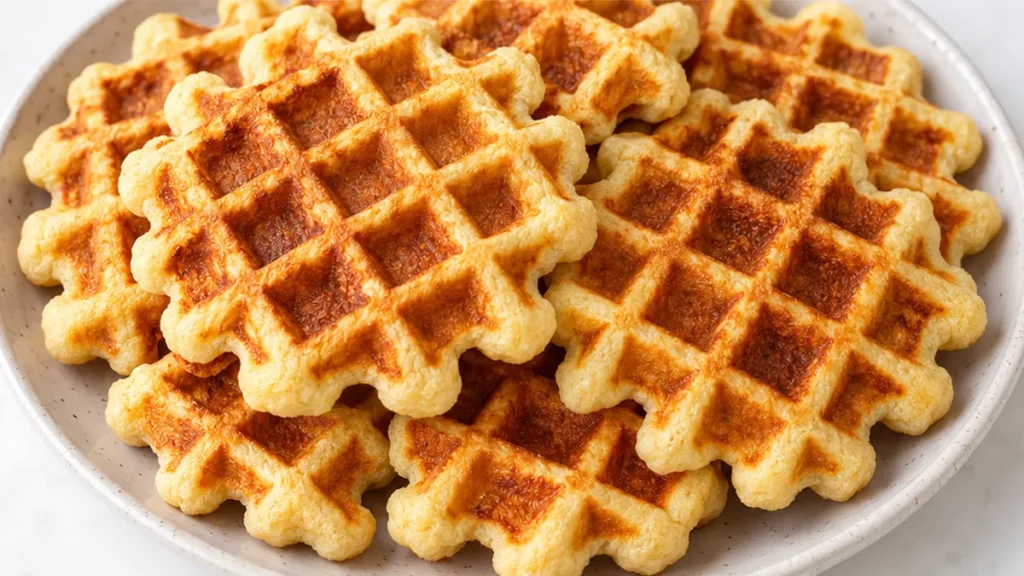
Fluffy coconut flour waffles are a gluten-free option for your brunch. They are easy to prepare and provide a light, airy texture that everyone will enjoy.
Key takeaways
- Use the right amount of liquid to achieve the desired batter consistency.
- Ensure the waffle iron is preheated and greased to prevent sticking.
- Eggs are crucial for fluffiness and structure in the waffles.
- Coconut flour provides a unique flavor and is gluten-free.
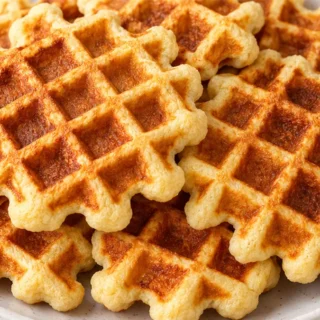
Fluffy Coconut Flour Waffles: Brunch Obsession!
Ingredients
Instructions
- Preheat your waffle iron to the manufacturer’s recommended temperature.
- In a medium bowl, whisk together the coconut flour, sugar, baking soda, and salt until well combined.
- In a 2-cup measuring cup, whisk together the milk, melted butter, eggs, and vanilla extract.
- Whisk the milk mixture into the coconut flour mixture until well combined and no longer lumpy, about 30 seconds.
- Portion 3-4 tbsp of batter onto the center of each waffle cavity.
- Cook the waffles according to your specific waffle iron instructions, until golden brown and no longer steaming, typically 3-5 minutes. Serve warm with your favorite waffle toppings.
The Science Behind Fluffy Coconut Flour Waffles
Fluffy coconut flour waffles rely on a delicate balance of ingredients and cooking techniques. Coconut flour is highly absorbent, requiring more liquid than traditional flours. Typically, for every 100 grams of coconut flour, you will need about 300-400 milliliters of liquid, depending on the recipe. This absorption is crucial for achieving the desired fluffiness, as it allows the batter to hold air during cooking, leading to a light texture.
The use of eggs is also essential in this recipe. Eggs contribute to the structure and stability of the waffles, while also adding moisture. Each egg can provide around 6-7 grams of protein, which helps create a sturdy yet airy texture. When beaten, eggs incorporate air, further enhancing the fluffiness of the waffles.
Common Issues and Solutions for Coconut Flour Waffles
One common issue when making fluffy coconut flour waffles is a dense texture. This can occur if the batter is too thick or if there are not enough eggs. To fix this, ensure that the batter is pourable; if it appears too thick, add a little more liquid until the desired consistency is reached. Additionally, using the correct number of eggs as specified in the recipe is crucial for achieving the right fluffiness.
Another potential problem is the waffles sticking to the waffle iron. This can happen if the iron is not properly preheated or greased. Always ensure that the waffle iron is adequately heated before pouring in the batter, and consider using a non-stick spray or oil to prevent sticking. A well-greased surface is essential for easy removal.
Ingredient Swaps for Coconut Flour Waffles
While coconut flour is the star of this recipe, there are some ingredient swaps you can consider. For instance, if you want to reduce calories, you could replace some of the eggs with unsweetened applesauce. This will yield a slightly denser waffle but will still maintain moisture. Typically, substituting one egg with 1/4 cup of applesauce is a good ratio.
Another swap could be using almond milk instead of regular milk. Almond milk has fewer calories and adds a subtle nutty flavor, but it may require slight adjustments in the liquid ratios due to its thinner consistency compared to regular milk. Always start with less and add more as needed.
Unique Characteristics of Coconut Flour Waffles
Coconut flour waffles are unique in their flavor profile and nutritional content. Unlike traditional waffles made with wheat flour, coconut flour offers a naturally sweet and nutty flavor, which can enhance the overall taste of the dish. Furthermore, coconut flour is gluten-free, making it an excellent option for those with gluten sensitivities or celiac disease. This gluten-free aspect, combined with the high fiber content of coconut flour, provides a more filling and nutritious breakfast option.
Additionally, the use of coconut flour contributes to a lower carbohydrate count compared to regular waffles. This can be particularly beneficial for those following a low-carb or ketogenic diet, as coconut flour contains about 60 grams of carbohydrates per 100 grams, significantly lower than wheat flour.
How to Properly Store Fluffy Coconut Flour Waffles for Maximum Freshness
Storing your fluffy coconut flour waffles correctly is essential to maintaining their texture and flavor. After cooking, allow the waffles to cool completely on a wire rack to prevent steam buildup, which can lead to sogginess. Once cooled, stack them with parchment paper between each waffle to keep them from sticking together. Place the stack in an airtight container and store it in the refrigerator for up to 3 days. For longer storage, consider freezing the waffles. Wrap each waffle individually in plastic wrap and then place them in a freezer-safe bag or container. They can be frozen for up to 3 months. When ready to enjoy, reheat in a toaster or oven until warm and crispy.
Scaling Your Waffle Recipe: Adjusting for Larger or Smaller Batches
Scaling the recipe for fluffy coconut flour waffles is straightforward but requires attention to detail, particularly with ingredient ratios. Coconut flour is highly absorbent, so when increasing the batch size, ensure you maintain the liquid-to-flour ratio. A general rule is to increase the liquid ingredients by about 25% for every additional cup of coconut flour used. For example, if the original recipe calls for 1 cup of coconut flour, using 2 cups would require a proportional increase in eggs and milk to achieve the desired batter consistency. Always mix the batter well and let it rest for a few minutes before cooking to ensure even hydration.
Choosing the Right Equipment for Perfect Waffles Every Time
The choice of waffle maker can significantly impact the outcome of your fluffy coconut flour waffles. A non-stick waffle iron is ideal as it prevents sticking, which can be a common issue with coconut flour. Additionally, a waffle maker with adjustable temperature settings allows you to control the cooking process better. Preheating the waffle maker is crucial; it ensures that the batter cooks evenly and achieves a golden-brown color. If using a Belgian waffle maker, the thicker design can accommodate the fluffiness of the batter, while a classic style may require adjustments in cooking time to avoid undercooked centers.
Enhancing Your Waffles with Seasonal Ingredients and Pairings
Fluffy coconut flour waffles serve as a versatile base for various toppings and pairings that can elevate your brunch experience. Seasonal fruits like strawberries in spring, peaches in summer, and apples in fall can add freshness and flavor. Consider making a compote or sauce from these fruits to drizzle over the waffles. Additionally, incorporating spices such as cinnamon or nutmeg into the batter can enhance the flavor profile, especially during the colder months. Pairing your waffles with yogurt or a dollop of whipped cream can add creaminess, while a sprinkle of nuts or seeds provides a satisfying crunch.
Why your coconut flour waffles may turn out dense and how to achieve the perfect texture
Coconut flour has a unique composition that absorbs moisture differently than other flours. This can lead to dense waffles if not handled correctly. The ideal ratio of coconut flour to liquid is approximately 1:2.5. For every 100 grams of coconut flour, use about 250 milliliters of liquid. If your waffles are dense, consider increasing the liquid content slightly or adding an extra egg to improve texture. Additionally, ensure that your batter is well-mixed but not overworked; overmixing can lead to a tougher texture due to gluten formation, even in gluten-free flours.
Adjusting your cooking time and temperature for optimal waffle crispiness
The cooking time and temperature are crucial for achieving the perfect crispiness on the outside while keeping the inside fluffy. Preheat your waffle maker to a medium-high setting, typically around 190°C (375°F). Cooking for 4-5 minutes usually yields a crispy exterior. If your waffles are not crisping up, consider extending the cooking time by 1-2 minutes. Conversely, if they are browning too quickly, lower the temperature slightly. This balance ensures that the waffles cook evenly without burning.
Understanding the Role of Coconut Flour in Waffle Texture
Coconut flour is unique among gluten-free flours due to its high fiber content and absorbent properties. When making fluffy coconut flour waffles, it’s essential to understand how coconut flour interacts with liquids and fats. For every cup of coconut flour, you typically need to use about 1 to 1.5 cups of liquid to achieve the desired batter consistency. This high absorbency can lead to a denser texture if not adjusted properly. Additionally, incorporating eggs is crucial as they provide the necessary structure and moisture, helping to create a light and fluffy waffle. The balance of moisture and fat is vital; using coconut oil or butter can enhance the flavor and contribute to a crisp exterior while maintaining a soft interior.
Timing and Technique: How to Maximize Fluffiness in Coconut Flour Waffles
Timing and technique play critical roles in achieving the perfect fluffy texture in coconut flour waffles. After mixing the batter, allowing it to rest for about 5 to 10 minutes can significantly improve the texture. This resting period enables the coconut flour to fully hydrate, resulting in a batter that is easier to work with and produces a lighter waffle. Additionally, preheating the waffle iron to the appropriate temperature is essential; most waffle irons should be set to around 190°C (375°F) for optimal cooking. Cooking the waffles for the right amount of time—usually 4 to 6 minutes—ensures that they are cooked through without becoming dry. Monitoring the steam release from the waffle iron can also indicate when they are ready; once the steam diminishes, the waffles are likely done.
Pro tips
Pro tip: Best served immediately while hot!
Frequently asked questions
Why are my coconut flour waffles dense?
Dense waffles can result from too little liquid or not enough eggs. Ensure the batter is pourable and use the correct number of eggs as specified in the recipe for optimal fluffiness.
Can I use a different milk in the recipe?
Yes, you can substitute almond milk or any other plant-based milk for regular milk. Just be mindful of the liquid ratios, as some alternatives may require slight adjustments.
How do I prevent my waffles from sticking to the waffle iron?
To prevent sticking, make sure your waffle iron is preheated and well-greased. Using a non-stick spray or brushing the surface with oil can help ensure easy release.
Is coconut flour a good option for gluten-free diets?
Yes, coconut flour is gluten-free, making it an excellent choice for those with gluten sensitivities or celiac disease. It also provides a unique flavor and higher fiber content compared to traditional flours.
More from Gluten-Free Breakfast & Brunch →