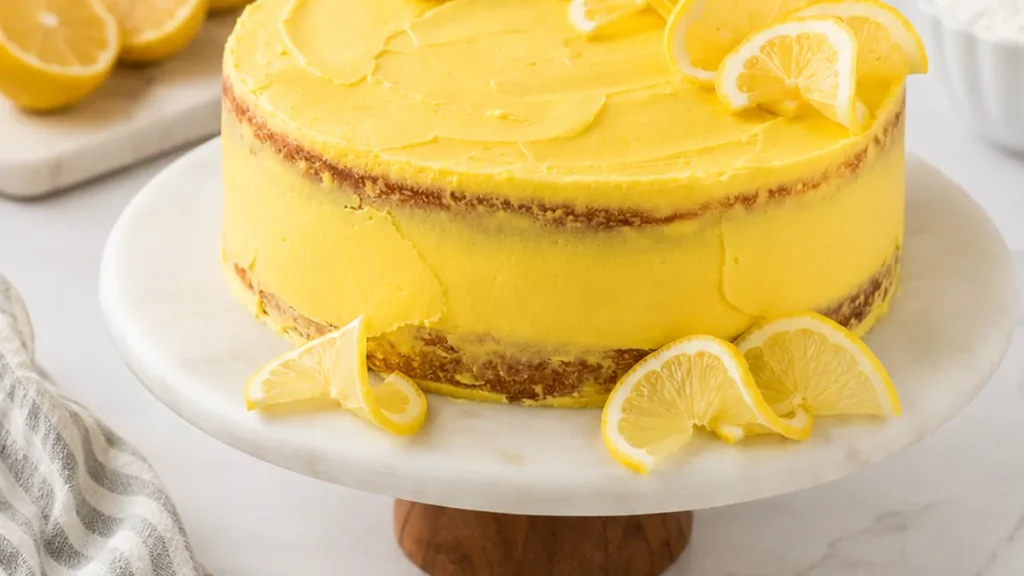
This irresistibly moist gluten free lemon cake is made with almond flour. It offers a unique texture and flavor, making it a perfect dessert for any gathering.
Key takeaways
- Accurate measurements are crucial for moisture balance.
- Emulsifying fats and liquids properly enhances texture.
- Using fresh lemon juice and zest adds unique flavor and moisture.
- Baking time and temperature significantly affect the final texture.
Irresistibly Moist Gluten-Free Lemon Cake!
Ingredients
Instructions
- Preheat the oven to 350°F (175°C). Cut parchment paper for the bottom of two 9-inch cake pans and spray with gluten-free cooking spray.
- In a large bowl, cream together the softened butter and granulated sugar with a mixer until fluffy.
- Add vanilla extract, lemon extract, dried lemon peel, food coloring (optional), gluten-free flour, salt, and baking powder to the butter mixture and mix until combined.
- Add the milk and mix until smooth.
- Beat in the egg whites and mix on high for 2 minutes.
- Pour half of the batter into the first 9-inch cake pan and the rest into the second 9-inch cake pan.
- Bake on the middle rack for 25-30 minutes, until a toothpick inserted in the center comes out clean and the sides pull away from the pan.
- Cool the cakes in the pans for about 10-15 minutes. Allow the cakes to completely cool before frosting.
Understanding the Importance of Moisture in Gluten-Free Baking
Gluten-free baking often presents challenges in achieving the desired texture and moisture content. In traditional baking, gluten provides structure and elasticity, which helps retain moisture. In gluten-free recipes, the absence of gluten necessitates the use of alternative ingredients to create a moist and tender crumb. Ingredients such as almond flour, coconut flour, or a blend of gluten-free flours can help achieve this, but the right balance is crucial. For this lemon cake, the combination of wet ingredients like eggs and yogurt, along with the acidity from lemon juice, plays a significant role in ensuring the cake remains irresistibly moist.
How to Achieve the Perfect Emulsion for Texture
The emulsion of fats and liquids is critical in creating a uniform batter. In this gluten-free lemon cake, using room temperature eggs and butter ensures that they emulsify properly. This process helps to trap air, which contributes to the cake’s rise. Aim for a batter temperature of around 70°F (21°C) before baking, as this encourages optimal leavening. If the batter appears separated or oily, it may indicate that the emulsion has failed, leading to a dense cake.
Identifying Common Baking Issues and Solutions
- Issue: Cake is dry and crumbly.
- Cause: Overbaking or incorrect flour measurements.
- Fix: Use a kitchen scale to measure flour accurately and check for doneness a few minutes before the recommended baking time.
- Issue: Cake sinks in the middle.
- Cause: Underbaking or too much liquid in the batter.
- Fix: Ensure the cake is fully baked by performing the toothpick test; if it comes out clean, the cake is ready.
- Issue: Dense texture.
- Cause: Lack of leavening agents or improper mixing.
- Fix: Ensure the baking powder is fresh and that the batter is mixed just until combined to avoid overworking the flour.
Ingredient Swaps and Their Effects
- Swap: Greek yogurt for sour cream.
- Effect: Similar moisture content but with a slightly tangier flavor.
- Swap: Coconut flour for almond flour.
- Effect: Coconut flour absorbs more moisture, requiring adjustments in liquid ingredients to maintain the cake’s moisture.
- Swap: Honey for granulated sugar.
- Effect: Adds moisture and a unique flavor, but may require reducing other liquids in the recipe.
Unique Characteristics of This Lemon Cake
This gluten-free lemon cake stands out due to its use of fresh lemon juice and zest, which not only impart a vibrant flavor but also contribute to the cake’s moisture. The acidity from the lemon juice interacts with the baking powder, enhancing the leavening process. Unlike many gluten-free cakes that can be overly dense or dry, this recipe leverages the natural properties of lemon to create a light, airy texture that is both satisfying and refreshing.
How to Store Your Gluten-Free Lemon Cake for Maximum Freshness
To maintain the irresistible moisture of your gluten-free lemon cake, proper storage is essential. After baking, allow the cake to cool completely at room temperature. Wrap it tightly in plastic wrap or place it in an airtight container. This prevents moisture loss and keeps the cake fresh for up to 3 days on the counter. For longer storage, consider freezing the cake. Slice it into portions, wrap each slice in plastic wrap, and then place them in a freezer-safe bag. This method allows you to enjoy a slice whenever you crave it, preserving the cake’s texture and flavor for up to 3 months.
Scaling Up or Down: Adjusting Your Lemon Cake Recipe
Scaling your gluten-free lemon cake recipe can be straightforward, but attention to detail is crucial. When doubling the recipe, ensure you maintain the same ratios of wet to dry ingredients for consistent texture. Use weight measurements for accuracy; for example, if the original recipe calls for 200 grams of flour, use 400 grams when doubling. Be mindful of baking times as well; larger cakes may require additional time in the oven, while smaller cakes may bake faster. Always check for doneness by inserting a toothpick into the center—it should come out clean or with just a few moist crumbs.
Choosing the Right Equipment for Baking Success
The equipment you use can significantly impact the outcome of your gluten-free lemon cake. A high-quality, non-stick cake pan is recommended to ensure easy release and even baking. If using a glass or ceramic pan, reduce the oven temperature by about 25°F (14°C) to prevent over-browning. Additionally, using a digital scale for measuring ingredients can enhance accuracy, especially for gluten-free flours that can vary in density. An electric mixer can achieve the desired emulsion more effectively than hand mixing, leading to a lighter, fluffier cake.
Seasonal Ingredients: How They Affect Flavor and Texture
The quality of your ingredients can vary with the seasons, influencing the final taste and texture of your gluten-free lemon cake. Fresh, in-season lemons typically yield more juice and zest, enhancing the cake’s flavor profile. During peak lemon season, opt for organic lemons, which often have a more intense flavor and aroma. Additionally, consider using fresh eggs from local farms, as they can provide richer flavor and better moisture content. If using store-bought ingredients, check for freshness dates, particularly for gluten-free flours, as they can lose their potency over time.
How to Prepare Your Ingredients for Optimal Flavor
When making an irresistibly moist gluten-free lemon cake, the preparation of your ingredients is crucial. Start by ensuring that your butter is at room temperature, ideally around 21°C (70°F), to facilitate proper creaming with sugar, which helps to incorporate air for a light texture. Additionally, using fresh lemons for juice and zest is essential; the zest contains oils that enhance the lemon flavor. For the best results, weigh your gluten-free flour blend to ensure accuracy—approximately 120 grams per cup is a good standard. This precision prevents the cake from becoming dense or dry.
How to Adjust Baking Times for Different Pan Sizes
Using different pan sizes can significantly affect the baking time of your gluten-free lemon cake. A standard 9-inch round pan typically requires about 25-30 minutes at 175°C (350°F). However, if you opt for a smaller 8-inch pan, expect to increase the baking time by about 5-10 minutes, while a larger 10-inch pan may reduce it by the same amount. To check for doneness, insert a toothpick into the center; it should come out clean or with a few moist crumbs. Adjusting your baking time based on pan size ensures that the cake remains moist and fluffy.
What to Serve with Your Lemon Cake for an Enhanced Experience
Pairing your irresistibly moist gluten-free lemon cake with complementary flavors can elevate its taste. Consider serving it with a dollop of whipped cream or a scoop of vanilla ice cream to balance the tartness of the lemon. Fresh berries, such as raspberries or strawberries, not only add a pop of color but also provide a sweet contrast. For a more sophisticated touch, drizzle a homemade lemon glaze over the top, enhancing the citrus flavor while adding a glossy finish. These accompaniments create a delightful experience that highlights the cake’s moist texture and zesty profile.
How to Make Your Lemon Cake Ahead of Time Without Sacrificing Freshness
Preparing your gluten-free lemon cake in advance can save time and stress, especially for events. To ensure it remains irresistibly moist, consider baking the cake a day or two ahead. Once cooled, wrap it tightly in plastic wrap and store it at room temperature if you plan to consume it within two days. For longer storage, freeze the wrapped cake for up to three months. When ready to serve, thaw it in the refrigerator overnight. This method allows the flavors to meld, enhancing the lemony taste. If you opt to frost the cake, wait until just before serving to add any icing or glaze, as this will prevent the frosting from becoming soggy.
Identifying the Right Equipment for Consistent Results
The tools you use can significantly impact the texture and moisture of your gluten-free lemon cake. A high-quality stand mixer or hand mixer ensures thorough mixing of the batter, which is crucial for achieving a light and airy texture. Additionally, using a digital kitchen scale for measuring ingredients can improve accuracy, particularly for gluten-free flours, which can vary in density. Choose a light-colored, non-stick cake pan to promote even baking and prevent sticking. If using a glass or dark pan, reduce the oven temperature by 25°F (about 15°C) to avoid over-browning. A toothpick test is essential; insert it into the center of the cake, and it should come out clean or with a few moist crumbs, indicating proper doneness.
Pro tips
Pro tip: Best served immediately while hot!
Frequently asked questions
Can I use a different flour blend?
Yes, but ensure it’s a gluten-free blend designed for baking. Each flour has different absorption properties, so you may need to adjust the liquid ingredients accordingly.
How do I store leftovers to maintain moisture?
Store the cake in an airtight container at room temperature for up to three days. For longer storage, refrigerate it, but be aware that refrigeration can sometimes dry out the cake.
Can I make this cake ahead of time?
Absolutely! You can bake the cake a day in advance. Just make sure to wrap it well to preserve moisture before serving.
What can I do if my cake is too dense?
If the cake turns out dense, it may be due to overmixing or too much flour. Try mixing just until combined next time and ensure accurate measurements to improve the texture.
More from Gluten-Free Desserts & Sweets →