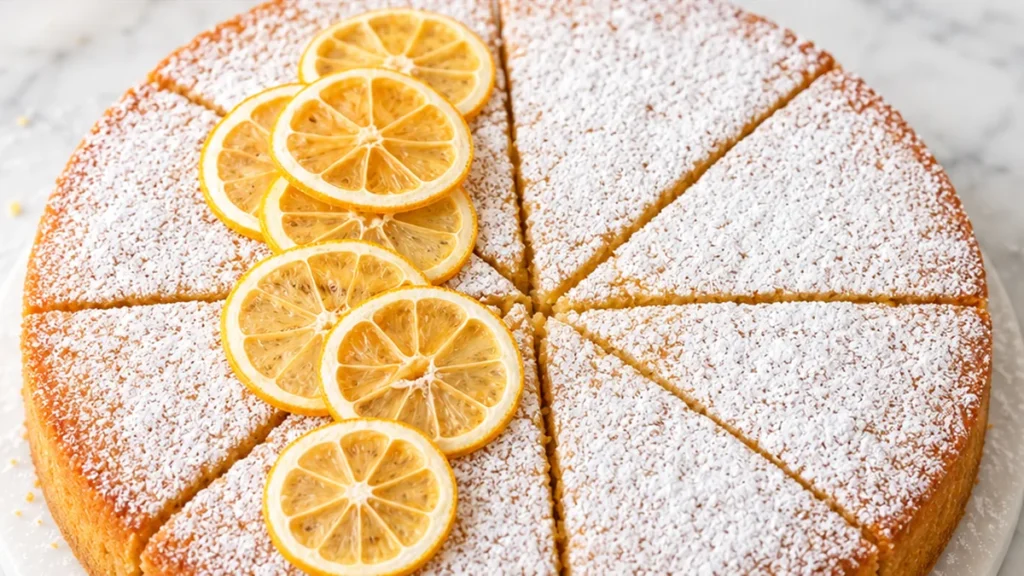
Gluten free olive oil cake is a delightful dessert that captures the essence of citrus and the rich, fruity notes of quality olive oil. The key to making this cake moist and flavorful lies in using fresh lemon zest and juice, which infuse the batter with brightness. While it may sound simple, the combination of these ingredients creates a cake that is worth making. This gluten free olive oil cake is perfect for special occasions or as a sweet ending to any meal. With its tender crumb and bright, fresh flavor, it’s an enjoyable treat for everyone, gluten-free or not.
Key takeaways
- Use room temperature ingredients for better emulsion.
- Avoid overmixing to keep the cake light and airy.
- Choose high-quality olive oil for a distinct flavor.
- Experiment with ingredient substitutions for unique variations.
Irresistible Gluten-Free Olive Oil Cake!
Ingredients
- 1 ¼ cup granulated sugar
- 1 ½ tbsp lemon zest
- 1 ¾ cups gluten-free flour (1:1 blend)
- ½ tsp baking powder
- ½ tsp baking soda
- ½ tsp salt
- 2 eggs (room temperature)
- ¾ cup olive oil (good quality)
- ½ cup milk (room temp)
- ¼ cup lemon juice (fresh squeezed)
Instructions
- Preheat the oven to 350°F. Line the bottom of a 9” pan with parchment paper and spray the pan with baking spray.
- In a medium bowl, press the lemon zest into the sugar with a fork or rub together with your fingertips to release the oils in the zest. The mixture will be fragrant and damp.
- In a medium bowl, whisk together the flour, baking powder, baking soda and salt.
- Place a large bowl on a dish towel, to keep it from moving while whisking. Whisk the eggs to break them up.
- Slowly stream in the olive oil, whisking while streaming until the oil is fully blended into eggs.
- Whisk in the lemon sugar.
- Whisk in the lemon juice and milk.
- Whisk in the flour mixture, until well blended.
Video
Notes
How to Achieve the Perfect Olive Oil Emulsion
Creating a successful gluten-free olive oil cake hinges on the proper emulsion of ingredients. The combination of eggs and olive oil is crucial; the eggs should be at room temperature to ensure they blend smoothly with the oil. This emulsion helps trap air, which is essential for leavening. Aim for a mixture that is glossy and slightly thickened. The ideal temperature for your olive oil should be around 25°C (77°F) to maintain its liquid state without being too warm, which could affect the batter’s texture.
Identifying and Fixing Common Baking Issues
Several issues can arise during the baking of a gluten-free olive oil cake. For instance, if the cake collapses in the center, it may be due to underbaking. Ensure you bake it until a toothpick inserted comes out clean, typically around 30-35 minutes at 180°C (350°F). Another common problem is a dense texture, which can result from overmixing the batter. Mix just until combined to maintain a light and airy crumb.
Ingredient Substitutions and Their Impacts
While this recipe is designed for gluten-free flour, you can experiment with different blends. Substituting almond flour for a portion of the gluten-free blend can add a nutty flavor but may require additional eggs to maintain moisture. Using coconut milk instead of regular milk can introduce a subtle sweetness, but it may alter the cake’s texture slightly, making it denser.
The Unique Flavor Profile of Olive Oil in Baking
Olive oil adds a distinct flavor that sets this cake apart from traditional butter cakes. The quality of the olive oil is paramount; a high-quality extra virgin olive oil imparts a fruity, peppery note that enhances the overall flavor. This characteristic is unique to olive oil cakes, as butter does not provide the same depth of flavor. The balance between the oil and the acidity of the lemon juice creates a refreshing taste that is both rich and light.
Understanding the Effects of Ingredient Quality on Flavor
The quality of ingredients used in gluten-free olive oil cake significantly influences its flavor and texture. For instance, using high-quality extra virgin olive oil enhances the cake’s richness and adds a distinct fruity note. Freshly squeezed lemon juice and zest not only contribute to the cake’s moisture but also provide a vibrant citrus flavor. When selecting gluten-free flour, a blend that includes almond flour or coconut flour can introduce a nuttiness that complements the olive oil. The balance of these flavors is delicate; therefore, opting for organic and fresh ingredients will yield the best results.
Scaling the Recipe for Different Occasions
This gluten-free olive oil cake recipe is versatile and can easily be scaled to accommodate different serving sizes. When doubling the recipe, ensure that you maintain the same ratios of ingredients to preserve the cake’s texture and flavor. For instance, a 2.5 times batch may require slight adjustments in baking time; a larger cake may need an additional 5-10 minutes in the oven. Always check for doneness by using a toothpick in the center, as larger cakes may take longer to cook through. Adjusting the pan size is also crucial; a wider pan will result in a thinner cake and faster baking time.
Optimal Equipment for Perfect Results
The equipment you use can greatly affect the outcome of your gluten-free olive oil cake. A quality stand mixer is ideal for ensuring that the batter is well combined and aerated, which is essential for achieving a light texture. Using a glass or ceramic baking dish can help distribute heat evenly, while a non-stick or parchment-lined pan will prevent sticking. Additionally, an oven thermometer is a valuable tool to ensure that your oven is at the correct temperature, as many home ovens can be off by several degrees. Investing in good-quality baking tools will enhance your baking experience and results.
Seasonal Adjustments for Flavor Enhancement
Seasonal ingredients can play a significant role in the flavor profile of your gluten-free olive oil cake. In the spring and summer, consider incorporating fresh berries or stone fruits into the batter or as a topping. In the fall, spices like cinnamon or nutmeg can be added to evoke a cozy, warm flavor. Additionally, the freshness of seasonal lemons can elevate the citrus notes in the cake. Adjusting the cake to reflect the seasons not only enhances the flavor but also makes it more visually appealing, allowing you to celebrate the ingredients available at different times of the year.
Understanding the Impact of Olive Oil Quality on Cake Texture
The quality of olive oil used in this gluten-free olive oil cake is crucial for achieving the right texture and flavor. High-quality extra virgin olive oil not only enhances the cake’s moisture but also contributes to a tender crumb due to its fat content. The ideal fat-to-flour ratio for a moist cake is approximately 1:2.5. This means for every cup of gluten-free flour, about 1/3 cup of oil is optimal. Using a lower quality oil can lead to a greasy texture and off-flavors, diminishing the overall enjoyment of the cake. Additionally, the oil’s acidity level affects the cake’s rise; oils with higher acidity can produce denser cakes. Aim for oils with a fruity, mild flavor that won’t overpower the lemon zest and juice, allowing for a harmonious balance in taste.
Scaling the Recipe: Adjustments for Larger Batches
When scaling the gluten-free olive oil cake recipe for larger gatherings, it’s essential to maintain the ingredient ratios to ensure consistent results. For example, if doubling the recipe, use 2½ cups of sugar, 3 tbsp of lemon zest, and 3½ cups of gluten-free flour, maintaining the same proportions of baking powder, baking soda, and salt. However, baking times may vary; larger cakes often require longer baking times and may need to be baked at a lower temperature (around 160°C/320°F) to ensure even cooking without burning the edges. Always check for doneness using a toothpick inserted in the center: it should come out clean or with a few moist crumbs. Additionally, consider the size of your baking pan, as this can significantly impact cooking time and texture.
Make-Ahead Strategies for Optimal Flavor
This gluten-free olive oil cake can be made ahead of time, which allows the flavors to meld beautifully. Once baked, allow the cake to cool completely before wrapping it tightly in plastic wrap. This can be stored at room temperature for up to three days or refrigerated for a week. If you prefer to freeze the cake, it can be wrapped and stored in an airtight container for up to three months. To serve, simply thaw it in the refrigerator overnight and bring it to room temperature before serving. The resting period enhances the flavor profile, making it even more delicious. Consider glazing the cake with a lemon syrup or dusting it with powdered sugar right before serving for an added touch of sweetness and visual appeal.
Understanding the Effects of Temperature on Cake Texture
Temperature plays a crucial role in the baking process of gluten-free olive oil cake. Ingredients should be at room temperature, particularly eggs and milk, as this helps achieve a uniform batter consistency. Cold ingredients can lead to an uneven texture, resulting in a denser cake. When baking, the oven temperature should be preheated to 180°C (350°F) to ensure the cake rises properly. If the temperature is too low, the cake may not rise adequately and could become gummy. Conversely, an overly hot oven can cause the cake to crack on the surface while remaining undercooked inside. Using an oven thermometer can help maintain the correct temperature throughout the baking process.
Pairing Suggestions to Enhance Flavor
Pairing your gluten-free olive oil cake with complementary flavors can elevate the overall dessert experience. Fresh berries, such as strawberries or blueberries, provide a tart contrast to the sweetness of the cake. A dollop of whipped cream or a scoop of vanilla ice cream can add a creamy texture, balancing the moistness of the cake. For a more sophisticated touch, consider drizzling a lemon glaze made from powdered sugar and lemon juice over the top. This adds a zesty brightness that enhances the lemon notes in the cake. Additionally, serving the cake with a side of herbal tea or a light dessert wine can create a delightful pairing that highlights the cake’s flavors.
Pro tips
- Use a mix of gluten-free flours for added texture.
- Let the cake cool completely before slicing for the best presentation.
- Store leftovers in an airtight container for up to 3 days.
Try this gluten free olive oil cake and feel free to experiment with flavors like orange or lime for a twist. Enjoy every bite!
Frequently asked questions
Can I use a different type of oil instead of olive oil?
Yes, you can substitute olive oil with another neutral oil like canola or vegetable oil. However, this will change the flavor profile of the cake, making it less distinctive compared to using olive oil.
How can I tell if my cake is done baking?
A good test for doneness is to insert a toothpick into the center of the cake. If it comes out clean or with a few crumbs, the cake is done. Typically, it takes about 30-35 minutes at 180°C (350°F).
What should I do if my cake is too dense?
If your cake turns out dense, it may be due to overmixing or using too much flour. To fix this in the future, mix just until combined and measure your flour accurately using the spoon-and-level method.
Can I make this cake dairy-free?
Yes, you can make this cake dairy-free by substituting regular milk with a plant-based alternative like almond or oat milk. Just ensure that the alternative is unsweetened to maintain the flavor balance.
More from Gluten-Free Desserts & Sweets →