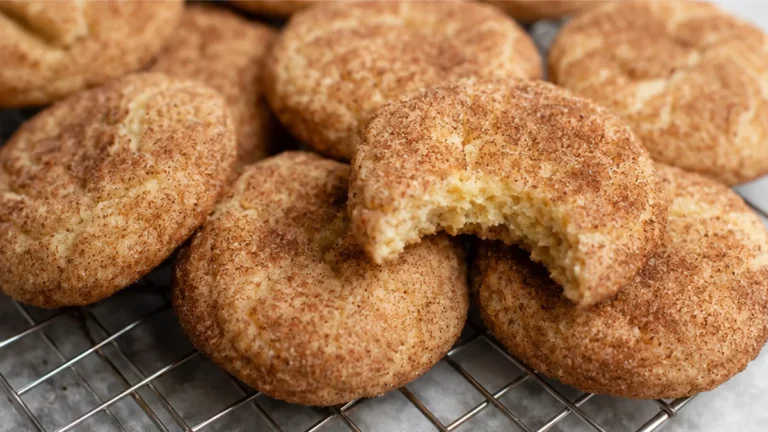
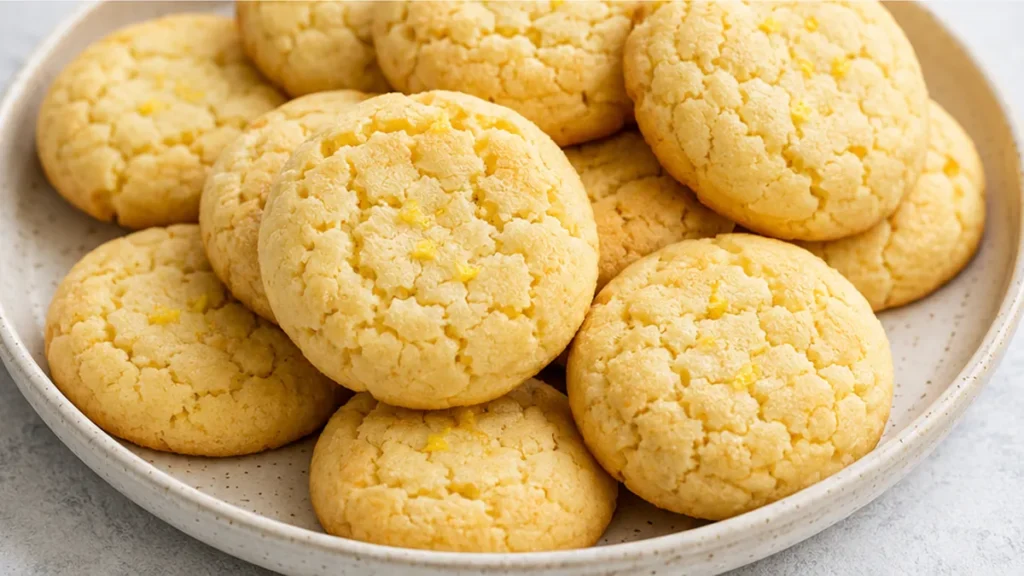
The secret to truly soft and flavorful gluten-free lemon cookies lies in not overbaking them and using fresh lemon zest. These cookies are a delightful blend of tart and sweet, perfect for anyone seeking a bright, gluten-free treat. Crafting the perfect gluten-free lemon cookies requires attention to the texture of the dough and the baking time. A good quality 1-to-1 gluten-free flour blend gives a tender crumb that rivals traditional cookies, without any gritty aftertaste. This recipe focuses on maximizing that bright lemon flavor with both juice and zest.
Key takeaways
- Proper creaming of butter and sugar is essential for texture.
- Chilling the dough can prevent excessive spreading.
- Accurate measurement of flour ensures proper hydration.
- Adjusting lemon zest enhances flavor without overpowering sweetness.

Sunny Lemon Cookies: Zesty Escape!
Ingredients
- 1 1/2 cups gluten-free all-purpose flour
- 2 teaspoons baking powder
- 1/2 teaspoon kosher salt
- 3/4 cups granulated sugar
- 1/2 cup unsalted butter, at room temperature
- 1 large egg
- 1 tablespoon lemon juice
- 1 tablespoon lemon zest
- 1/2 teaspoon pure vanilla extract
- 1/4 cup sugar
Instructions
- Preheat oven to 350F. Line two baking sheets with parchment paper.
- In a medium bowl, whisk together the gluten-free flour blend, baking powder, and kosher salt.
- In a large bowl, cream together the butter and granulated sugar for 1-2 minutes until light and fluffy.
- Add the egg, lemon juice, lemon zest, and vanilla extract. Mix until combined.
- Add the dry ingredients and mix until no more streaks of flour remain.
- Scoop into 18 equal portions (about 1 oz. each), and roll into balls.
- In a small bowl, combine granulated sugar and lemon zest. Roll the dough balls into the sugar mixture and set on the prepared baking sheets, leaving about 2 inches between each ball.
- Bake at 350F for 7-8 minutes, until edges are set and the top of the cookies are no longer shiny. Do not overbake.
Video
Notes
The technique that makes it
The success of Sunny Lemon Cookies relies heavily on the emulsion of butter and sugar, which creates a light and airy texture. When butter is creamed with sugar, air is incorporated, leading to a fluffy cookie. Additionally, the use of gluten-free flour requires careful hydration; the baking powder helps to provide lift, compensating for the lack of gluten. The balance of lemon juice and zest not only adds flavor but also contributes to the overall moisture content, ensuring that the cookies remain soft and chewy.
Troubleshooting
- If cookies spread too much, try chilling the dough for 30 minutes before baking to firm up the butter.
- If cookies are too dry, ensure you’re measuring the flour correctly; spoon it into the measuring cup rather than scooping.
- If cookies lack lemon flavor, increase the lemon zest by an extra teaspoon for a more pronounced citrus taste.
- If cookies are too sweet, reduce the granulated sugar by 1/4 cup to balance the flavors.
Substitutions
- Replace gluten-free all-purpose flour with regular all-purpose flour for a traditional texture.
- Use coconut oil instead of unsalted butter for a dairy-free option that still yields a rich flavor.
- Substitute honey or maple syrup for granulated sugar for a natural sweetener, adjusting the liquid content slightly.
- Use lemon extract in place of lemon juice for a more concentrated lemon flavor, but reduce the amount slightly to avoid overpowering the other flavors.
Pro tips
- For the most intense lemon flavor, use fresh lemons and avoid bottled lemon juice. The zest carries most of the aromatic oils.
- Do not overbake these lemon cookies; they will seem slightly underdone when you remove them from the oven but will set as they cool. Overbaking leads to dry, crumbly cookies.
- Store leftover cookies in an airtight container at room temperature for up to 3 days, or freeze for up to 2 months. Thaw at room temperature or warm gently.
These gluten-free lemon cookies are a fantastic way to enjoy a classic treat with a zesty twist. Experiment with adding a lemon glaze for extra tang, or a sprinkle of poppy seeds for texture. Enjoy this sunny bite!
Frequently asked questions
Can I use regular flour instead of gluten-free flour?
Yes, you can substitute regular all-purpose flour for gluten-free flour in this recipe. However, the texture may differ slightly, as gluten-free flour behaves differently in baking.
How do I store leftover cookies?
Store leftover Sunny Lemon Cookies in an airtight container at room temperature for up to a week. For longer storage, consider freezing them in a sealed bag.
Can I make these cookies vegan?
Yes, you can make these cookies vegan by substituting the unsalted butter with coconut oil or a vegan butter alternative and replacing the egg with a flaxseed egg or applesauce.
What can I do if my cookies are too crumbly?
If your cookies are crumbly, it may be due to too much flour or insufficient moisture. You can add a little more lemon juice or a splash of milk to the dough to help bind the ingredients together.
More from Gluten-Free Desserts & Sweets →