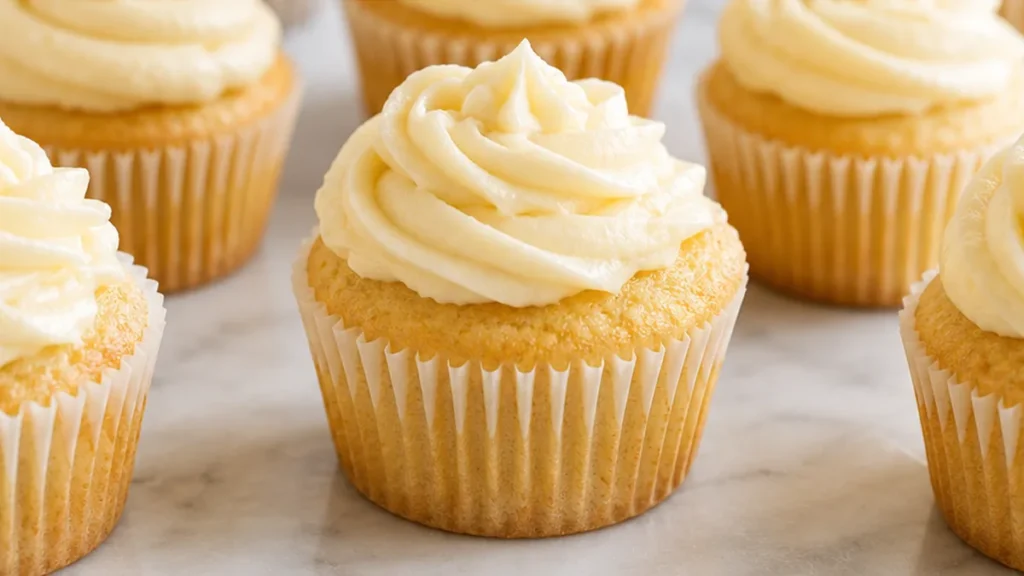
The secret to truly fluffy gluten-free cupcakes lies in the careful balance of ingredients and not overmixing the batter. This gluten-free cupcakes recipe delivers a perfectly tender crumb and rich vanilla flavor, proving that going gluten-free doesn’t mean sacrificing taste or texture. Crafted for simplicity and deliciousness, these gluten-free vanilla bean cupcakes are ideal for anyone with dietary restrictions or simply looking for a fantastic dessert. I remember the first time I managed to get the texture just right; the key was indeed to beat the wet ingredients well before adding the dry, then mixing just until combined.
Key takeaways
- Proper emulsion of wet and dry ingredients is key for fluffiness.
- Room temperature ingredients help create a smooth batter.
- Avoid overmixing to prevent dense cupcakes.
- Using the correct gluten-free flour blend is crucial for texture.
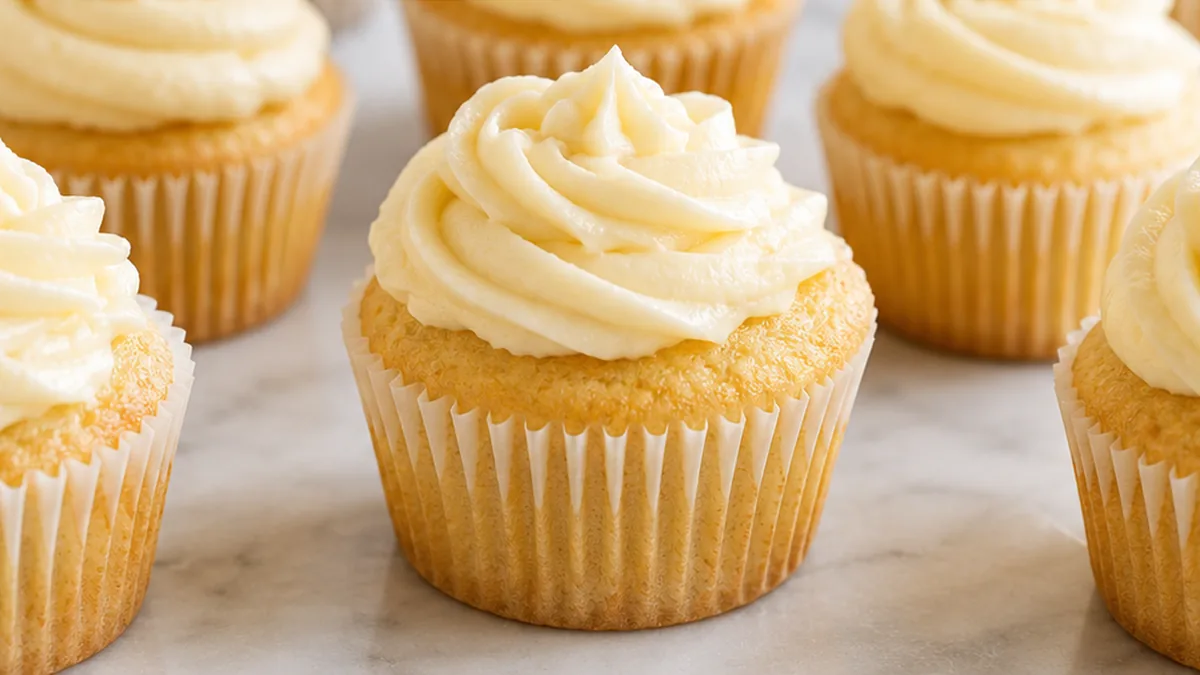
Fluffy Gluten-Free Vanilla Cupcakes! So Easy!
Ingredients
Method
- For the cupcakes: Preheat oven to 350°F (180°C). Position rack in center of oven. Line cupcake pan with paper liners; set aside.
- In a medium mixing bowl combine oil and sugar.
- Add eggs and beat with an electric mixer at medium speed for one minute. Add flour, salt, baking powder, dairy-free milk, and vanilla extract (or paste); beat at medium speed for one minute.
- Spoon batter evenly into cupcake liners. Bake for 18-20 minutes or until the centers springs back when touched and cupcakes are very lightly browned.
- Let cool in the pan on rack for five minutes. Remove cupcakes from pan onto rack and cool completely before frosting.
- For the frosting: In a medium mixing bowl, beat together dairy-free butter and vanilla paste until smooth and creamy.
- Gradually add powdered sugar, one cup at a time, beating well. Alternate one cup of powdered sugar and 1 tablespoon of dairy-free milk until all ingredients are blended.
- Beat in additional dairy-free milk if needed to obtain desired constancy.
Notes
– Do not overmix the batter once the flour is added. Overmixing can develop the gluten-free flours too much, leading to a tougher cupcake. Mix just until combined.
– For perfectly baked gluten-free cupcakes, test for doneness by gently touching the center; it should spring back. An internal temperature of 200-205°F (93-96°C) can also indicate they are done. Avoid opening the oven door too early.
– Store leftover cupcakes in an airtight container at room temperature for up to 3 days, or refrigerate for up to 5 days. For longer storage, freeze unfrosted cupcakes for up to 2 months; thaw and frost when ready to serve. Nutrition information is an estimate, calculated automatically. Values vary with brands, substitutions and portion sizes.
The technique that makes it
Creating fluffy gluten-free cupcakes hinges on the proper emulsion of wet and dry ingredients. The combination of vegetable oil and dairy-free butter provides a rich fat base that ensures moisture while allowing for a light texture. The gluten-free flour blend, often lacking the elasticity of traditional flour, requires careful mixing to avoid overworking the batter, which can lead to dense cupcakes. The use of baking powder is crucial as it introduces air into the batter, helping the cupcakes rise. Additionally, room temperature ingredients help create a smooth batter that holds air better, contributing to a light and fluffy texture.
Troubleshooting
- Problem: Cupcakes are dense and heavy.
Fix: Ensure you are not overmixing the batter. Mix just until combined to prevent the structure from becoming too compact. - Problem: Cupcakes have a gummy texture.
Fix: This can result from too much liquid or not enough leavening. Check your measurements and ensure you are using the correct flour blend. - Problem: Cupcakes domed too much or cracked on top.
Fix: This can happen if the oven temperature is too high. Use an oven thermometer to ensure the temperature is accurate and consider lowering it slightly. - Problem: Cupcakes stick to the liners.
Fix: Use high-quality liners or lightly grease them before adding the batter to prevent sticking.
Substitutions
- All-purpose gluten-free flour blend: Can be swapped with a 1:1 gluten-free flour like almond or coconut flour, but be aware that this may change the texture and moisture levels.
- Dairy-free milk: Can be replaced with any non-dairy milk such as almond, soy, or oat milk without significantly affecting the flavor.
- Dairy-free butter: Can be substituted with coconut oil or regular butter if dairy is not a concern, though this may alter the flavor slightly.
- Granulated sugar: Can be replaced with coconut sugar or a sugar substitute, but this may affect the sweetness and texture.
Pro tips
- Ensure all cold ingredients, especially eggs and dairy-free butter, are at room temperature for a smooth batter and creamy frosting. This prevents curdling and ensures even mixing.
- Do not overmix the batter once the flour is added. Overmixing can develop the gluten-free flours too much, leading to a tougher cupcake. Mix just until combined.
- For perfectly baked gluten-free cupcakes, test for doneness by gently touching the center; it should spring back. An internal temperature of 200-205°F (93-96°C) can also indicate they are done. Avoid opening the oven door too early.
- Store leftover cupcakes in an airtight container at room temperature for up to 3 days, or refrigerate for up to 5 days. For longer storage, freeze unfrosted cupcakes for up to 2 months; thaw and frost when ready to serve.
These gluten-free vanilla bean cupcakes are a delightful treat that proves deliciousness knows no dietary bounds. Experiment with different frosting flavors or toppings like sprinkles or fresh fruit. Enjoy baking and sharing these wonderful creations!
Frequently asked questions
Can I use a different type of gluten-free flour?
Yes, you can use a different gluten-free flour, but it may alter the texture and moisture of the cupcakes. A 1:1 gluten-free flour blend is recommended for the best results.
How can I make these cupcakes sweeter?
If you prefer sweeter cupcakes, you can increase the amount of granulated sugar by a few tablespoons, keeping in mind that it may affect the batter’s consistency.
What should I do if my cupcakes overflow during baking?
If your cupcakes overflow, it may be due to overfilling the liners. Ensure you only fill each liner about two-thirds full to allow room for rising.
How should I store leftover cupcakes?
Store leftover cupcakes in an airtight container at room temperature for up to three days or refrigerate for up to a week. For longer storage, freeze them wrapped tightly in plastic wrap.
More from Gluten-Free Desserts & Sweets →