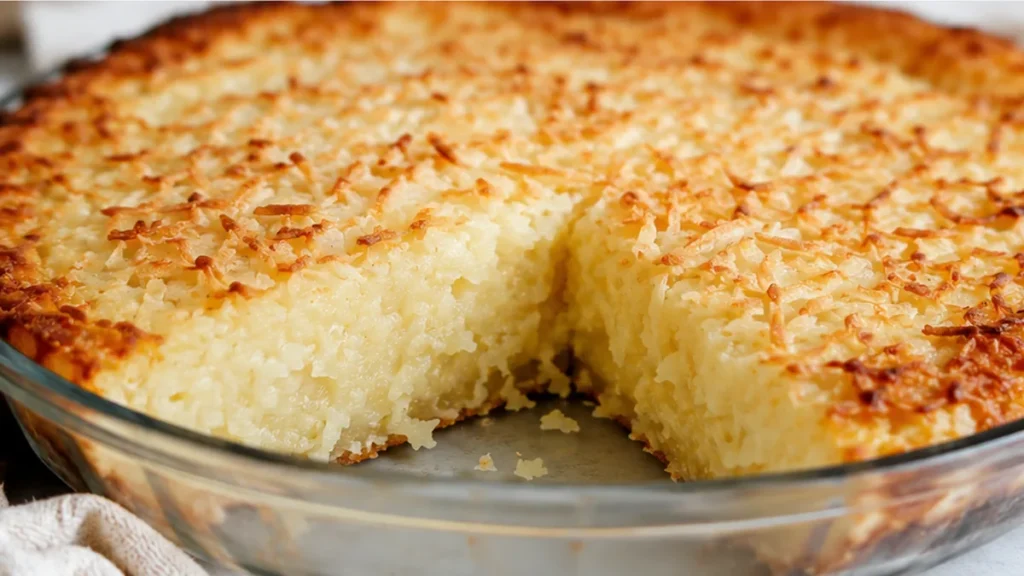
The secret to a truly exceptional crustless coconut pie lies in achieving that perfect custardy texture that’s set around the edges but still delightfully jiggly in the center. This recipe delivers exactly that, making it an ideal choice for anyone seeking a simple yet elegant dessert, especially those following a gluten-free diet. This crustless coconut pie simplifies traditional pie-making by eliminating the crust, allowing the rich, tropical flavor of coconut to truly shine. It’s a wonderful option when you’re short on time but still want to present a decadent homemade treat. Omitting the crust is an option for convenience, and the pure filling stands out on its own.
Key takeaways
- Use room temperature ingredients for better emulsion.
- Mix gently to avoid over-aeration and collapse.
- Opt for unsweetened shredded coconut to control sweetness.
- Bake thoroughly to prevent a soggy bottom.
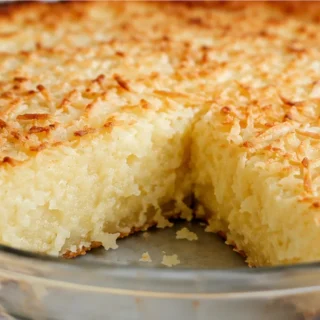
Dreamy Crustless Coconut Pie Recipe
Ingredients
- 1 cup granulated sugar
- ¼ cup light brown sugar (packed)
- ¼ cup unsalted butter (melted but not too hot)
- 3 large eggs (room temperature)
- 1 egg yolk (room temperature)
- 1 cup 2% milk (room temperature)
- 1 cup heavy cream (room temperature)
- 1 tbsp vanilla extract
- ½ cup gluten-free all-purpose flour (I use Cup 4 Cup)
- 1 tsp baking powder
- 1 cup shredded coconut
Instructions
- Preheat oven to 350°F (175°C) and spray a 9-inch deep dish pie plate with non-stick cooking spray.
- In a large bowl, whisk together granulated sugar, brown sugar, melted butter, eggs, and egg yolk until just combined.
- Whisk in milk, cream, and vanilla extract.
- Gently whisk in gluten-free flour, baking powder, and salt.
- Stir shredded coconut into the batter using a silicone spatula.
- Pour batter into the prepared pie plate and place on a baking tray.
- Bake for 55 to 60 minutes, until the internal temperature is 180°F and the edges are set with a slightly jiggly center.
Video
Notes
The Importance of Room Temperature Ingredients
Using room temperature ingredients is crucial for achieving a smooth and well-emulsified batter in your crustless coconut pie. When butter, eggs, milk, and cream are at room temperature (ideally around 70°F or 21°C), they blend more easily, resulting in a uniform texture. Cold ingredients can cause the batter to curdle or separate, leading to a less desirable outcome.
Why Proper Mixing Matters
Mixing the ingredients correctly helps to create the right texture and consistency. Overmixing can introduce too much air, making the pie puff up during baking only to collapse later. Aim for a gentle mix until just combined, ensuring that the flour is incorporated without developing excess gluten. This will yield a creamy, custard-like pie.
Understanding the Role of Coconut in Texture
The shredded coconut in this recipe adds both flavor and texture. It provides a chewy contrast to the creamy filling. When selecting shredded coconut, opt for unsweetened varieties to maintain control over the sweetness of the pie. The amount used (1 cup) balances well with the other ingredients, ensuring it doesn’t overpower the dish.
Addressing Common Baking Issues
One common issue with crustless coconut pies is a soggy bottom. This can be caused by underbaking or using too much liquid. To prevent this, ensure your oven is properly calibrated and consider baking the pie on a lower rack for even heat distribution. If you find your pie is too runny, it may need additional baking time.
- Failure: Soggy bottom
- Cause: Underbaking or excess liquid
- Fix: Increase baking time or check oven temperature.
- Failure: Crumbly texture
- Cause: Overmixing
- Fix: Mix gently until just combined.
- Failure: Excess sweetness
- Cause: Using sweetened coconut
- Fix: Use unsweetened coconut.
- Failure: Curdled batter
- Cause: Cold ingredients
- Fix: Ensure all ingredients are at room temperature.
Ingredient Substitutions and Their Effects
Substitutions can be made, but they will affect the final outcome of the pie.
- Gluten-Free Flour: If using regular all-purpose flour instead of gluten-free, expect a slightly different texture, potentially more chewy.
- Heavy Cream: Replacing heavy cream with half-and-half will yield a lighter pie, but it may lack the richness.
- Butter: Using coconut oil instead of butter will enhance the coconut flavor but may alter the texture slightly.
- Milk: Almond milk can be used as a dairy-free alternative, but it may change the flavor profile.
Unique Traits of Crustless Coconut Pie
This crustless coconut pie stands out because it relies solely on the custard-like filling to provide structure and flavor without a traditional crust. This method allows for a rich, creamy dessert that is inherently gluten-free and focuses on the coconut’s natural sweetness and texture. The absence of a crust also makes it quicker to prepare and bake, appealing to those looking for a hassle-free dessert.
How to Achieve the Perfect Texture Without a Crust
The key to a successful crustless coconut pie lies in achieving the right balance of moisture and structure. The combination of eggs, milk, and heavy cream creates a custard-like filling that sets beautifully when baked. Aim for a final batter consistency that is pourable but thick enough to hold the shredded coconut. Baking at 350°F (175°C) for 40-50 minutes allows the custard to set without becoming rubbery. A toothpick inserted should come out clean or with just a few moist crumbs.
Understanding Coconut Quality and Its Impact on Flavor
The quality of shredded coconut can significantly affect the flavor and texture of your crustless coconut pie. Fresh coconut offers a more intense flavor compared to dried or sweetened varieties. When using shredded coconut, opt for unsweetened, as it allows for better control over the pie’s sweetness. If using sweetened coconut, reduce the granulated sugar by about 2 tablespoons to balance the sweetness. Remember that older coconut may absorb moisture, leading to a drier pie, so use fresh coconut whenever possible.
Scaling the Recipe for Different Serving Sizes
This crustless coconut pie recipe can be easily scaled to accommodate different serving sizes. To double the recipe, simply multiply all ingredients by two, ensuring that you use a larger baking dish to allow for even cooking. When halving the recipe, use a smaller dish and reduce the baking time slightly, checking for doneness around 30-35 minutes. Keep in mind that baking times can vary based on oven calibration and dish material, so always watch for visual cues of doneness.
Serving Suggestions and Pairing Ideas for Enhanced Enjoyment
Serving crustless coconut pie can be enhanced with thoughtful pairings. A dollop of whipped cream or a scoop of vanilla ice cream complements the pie’s rich texture. For a tropical twist, consider topping it with fresh fruit like pineapple or mango slices. A light dusting of toasted coconut flakes or a drizzle of chocolate sauce can elevate the presentation and flavor. Additionally, serving it chilled can enhance the refreshing quality of the pie, making it a perfect dessert for warm weather gatherings.
How to Store Crustless Coconut Pie for Optimal Freshness
To maintain the texture and flavor of your crustless coconut pie, proper storage is crucial. Once the pie has cooled completely, cover it with plastic wrap or transfer it to an airtight container. It can be refrigerated for up to 4 days. If you prefer to freeze it, wrap individual slices in plastic wrap and then place them in a freezer-safe container. This will keep the pie fresh for up to 2 months. When ready to eat, thaw in the refrigerator overnight and serve chilled or at room temperature.
Scaling the Crustless Coconut Pie Recipe for Larger Gatherings
If you’re looking to serve more guests, scaling the crustless coconut pie recipe is straightforward. The ingredients can be doubled or tripled without affecting the final texture or taste. However, be mindful of the baking time; larger pies may require additional time in the oven. For example, a doubled recipe in a 9×13-inch pan may need an extra 10-15 minutes of baking. Always check for doneness by inserting a toothpick into the center; it should come out clean.
Choosing the Right Equipment for Your Crustless Coconut Pie
The equipment you use can significantly impact the outcome of your crustless coconut pie. A glass or ceramic pie dish is recommended as it allows for even heat distribution, which is essential for achieving the perfect texture. Avoid using dark metal pans, as they can lead to over-browning. Additionally, using a hand mixer or stand mixer ensures that your ingredients are well combined, contributing to a smooth batter. If you opt for a whisk, be prepared for a bit more effort to achieve the same level of emulsion.
How to Achieve the Right Consistency for a Crustless Coconut Pie
The texture of a crustless coconut pie is crucial for its success. The combination of heavy cream and milk creates a rich custard-like base. The ratio of liquids to dry ingredients is essential; aim for approximately 1:1.5 for a perfect blend. If the batter is too runny, the pie may not set properly, while a too-thick mixture can lead to dryness. Always ensure the eggs are well incorporated, as they provide the necessary binding. A gentle mixing method will help to maintain airiness, which contributes to a light texture.
Understanding the Impact of Ingredient Quality on Flavor
The quality of the ingredients used in your crustless coconut pie significantly affects the final flavor. Fresh, high-quality shredded coconut enhances the overall taste, providing a natural sweetness and texture. When selecting coconut, look for unsweetened varieties to avoid overwhelming the pie with sugar. Additionally, using pure vanilla extract instead of imitation can elevate the dish, contributing a deeper flavor profile. Seasonal variations in eggs and dairy can also influence the richness; for instance, eggs from free-range chickens often yield a more vibrant color and flavor.
Understanding the Make-Ahead Potential of Crustless Coconut Pie
This crustless coconut pie is an excellent candidate for make-ahead preparation, allowing flavors to meld and develop over time. To prepare in advance, bake the pie according to the recipe instructions and allow it to cool completely. Once cooled, cover it tightly with plastic wrap or aluminum foil and refrigerate for up to 3 days. The flavors of the coconut and vanilla will deepen, enhancing the overall taste. If you plan to keep it longer, consider freezing it. Wrap the cooled pie in several layers of plastic wrap and then in aluminum foil. It can be frozen for up to 2 months. When ready to serve, thaw it overnight in the refrigerator and allow it to come to room temperature before slicing. However, be aware that freezing may slightly alter the texture, making it a bit denser upon thawing.
How Batch Scaling Affects Texture and Baking Time
Scaling the crustless coconut pie recipe for larger gatherings requires careful consideration of baking times and pan sizes. Doubling the recipe may seem straightforward, but using a larger pan can impact the cooking time. A larger, shallower pan will cook faster, while a smaller, deeper pan will require additional time. When scaling, keep the same temperature (350°F or 175°C), but start checking for doneness about 10-15 minutes earlier than the original baking time. A toothpick inserted in the center should come out clean or with a few moist crumbs. Additionally, consider the distribution of coconut; doubling the shredded coconut may alter the moisture content, so balance it with slight adjustments in flour or cream if necessary.
Pro tips
- Don’t overmix the batter; excessive air can lead to a less dense, custardy texture.
- Ensure your eggs, milk, and cream are at room temperature for a smoother, more uniform batter.
- For food safety, the pie is done when it reaches an internal temperature of 180°F (82°C).
- Storage: Leftovers can be stored covered in the refrigerator for up to 3-4 days.
This crustless coconut pie proves that simplicity can lead to extraordinary results. It’s a comforting dessert that truly highlights the tropical essence of coconut. Enjoy this delightful treat!
Frequently asked questions
Can I use sweetened shredded coconut?
While you can use sweetened shredded coconut, it will increase the overall sweetness of the pie. For a balanced flavor, unsweetened coconut is recommended.
How can I tell when the pie is done baking?
The pie is done when the edges are set, and the center has a slight jiggle. It will firm up as it cools. A toothpick inserted should come out mostly clean.
Can I make this pie dairy-free?
Yes, you can substitute the heavy cream and milk with coconut milk or almond milk and use coconut oil instead of butter for a dairy-free version.
How should I store leftovers?
Store any leftover pie in the refrigerator, covered, for up to 3 days. Allow it to cool completely before refrigerating to maintain texture.
More from Gluten-Free Desserts & Sweets →