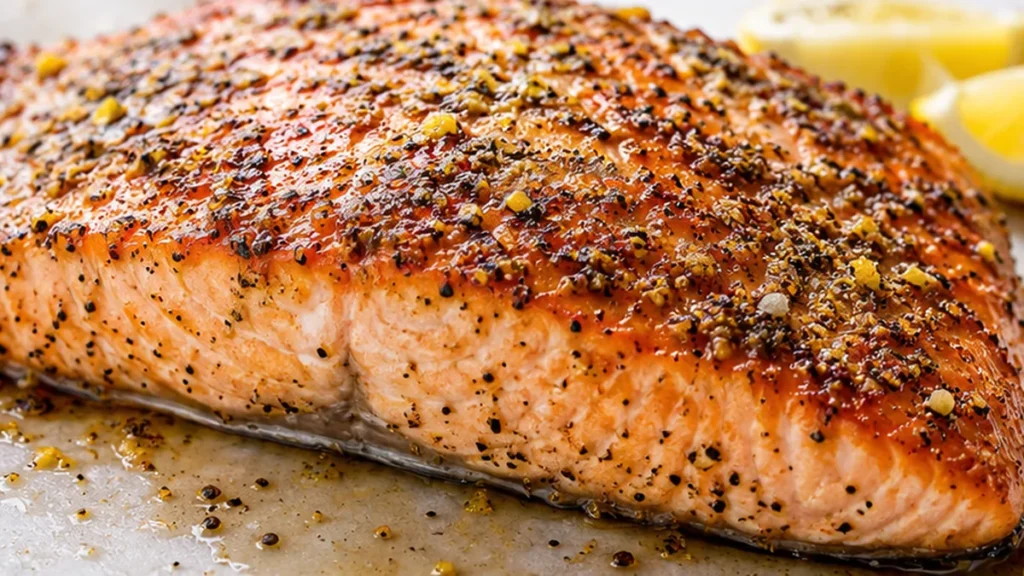
Learning to smoke salmon at home transforms a simple fillet into a culinary masterpiece, and this guide to smoke salmon perfectly is your secret weapon. The key lies in a balanced brine and careful temperature control, ensuring a moist, flaky texture with an irresistible smoky aroma. This recipe is designed for home cooks eager to elevate their seafood game, providing step-by-step instructions to achieve that sought-after restaurant-quality smoked salmon. From prepping the fillet to resting it for optimal flavor, every detail contributes to a truly exceptional dish. Brining salmon locks in moisture, preventing a dry, tough texture.
Key takeaways
- Use kosher salt for proper brine concentration.
- Pat salmon thoroughly dry after brining.
- Do not overcook the salmon to maintain moisture.
- Ensure adequate smoke infusion for desired flavor.
Smoky Salmon Perfection: Master the Brine!
Ingredients
- 2-3 lb salmon fillet (Atlantic or King/Chinook Salmon recommended)
- 4 cups hot water (from the tap)
- 1/3 cup kosher salt NOT table salt
- 1/3 cup brown sugar
- Lemon pepper seasoning
- 2 lemons (sliced into wedges)
Instructions
- Combine the hot water, kosher salt, and brown sugar in a large glass measuring cup or bowl then stir until the salt and sugar have dissolved. Place inside the fridge or freezer to chill completely.
- Trim the thin white strip (belly) off the fillet if present then remove any pin bones with tweezers. Place the salmon skin-side up inside a baking dish with high sides that’s not much bigger than the fillet.
- Pour the chilled brine over the salmon until it’s completely submerged then cover and refrigerate for a minimum of 1 hour per pound — generally brine for 4-8 hours for a smaller fillet, and up to 12 hours for a thicker fillet.
- Place 2 cooling racks atop a half sheet pan, or 1 cooling rack atop a quarter sheet pan if the fillet is on the shorter side. Rinse the brine off the salmon under cold water then place it flesh side up on top of the cooling racks. Refrigerate uncovered for at least 8 hours and up to 24 hours, or until the surface is tacky. The longer the salmon sits uncovered in the fridge to develop what’s called a pellicle, or a thin, sticky layer of protein on the outside of the fish, the more smoke flavor it will take on in the smoker. Additionally, the pellicle will seal in moisture and help prevent albumin (a harmless yet unsightly white protein) from forming on the outside of the fish.
- Season the salmon fillet with Lemon Pepper Seasoning. The brine will impart saltiness to the salmon, so don’t go overboard with Lemon Pepper Seasoning if the blend you use contains salt. Sometimes only coarsely ground pepper and dried lemon peel are used if the salmon fillet is on the thin side. Refrigerate the seasoned salmon while you prepare your smoker.
- Prepare your smoker to smoke at 180 degrees F, as ready by a digital thermometer, over indirect heat. If desired, add a piece of wood or a handful of wood chips if using a charcoal smoker, or pellets if using an electric smoker. We use a hunk of cherry wood in our Green Egg. Avoid using mesquite wood chips which can overpower the flavor of the salmon.
- Place the seasoned salmon fillet onto the smoker then insert an internal temperature probe into the thickest part of the fillet. Smoke the salmon until the internal temperature reaches your desired level of doneness, keeping the internal temperature of the smoker between 180 and 200 degrees F. Depending on the size of your salmon fillet, this could take anywhere from 45 minutes to 3 hours. The 1.75lb salmon fillet (after trimming) in these photos took 1 hour and 15 minutes to reach an internal temperature of 130 degrees F.
- Transfer the smoked salmon fillet to a platter then cover it loosely with foil and let rest for at least 20 minutes. We prefer smoked salmon served warm or near room temperature, vs hot. Cut into smaller fillets then serve with plenty of fresh lemon wedges.
Notes
The Science Behind Smoky Salmon Perfection
Mastering smoked salmon at home, especially with a brine, hinges on controlling moisture and infusing flavor. The brine, a mixture of salt and sugar in hot water, serves multiple crucial functions. Firstly, the salt draws out excess moisture from the salmon’s surface through osmosis, which is vital for achieving a firm, flaky texture rather than a mushy one. It also begins the process of denaturing proteins, which helps the fish retain moisture during the smoking process and contributes to a more tender result. Secondly, the sugar in the brine not only balances the saltiness but also aids in browning through the Maillard reaction during the final cooking stage, adding a subtle sweetness and depth of flavor. The hot water dissolves the salt and sugar effectively, and as it cools, it allows the salmon to absorb the brining solution. This process ensures even seasoning throughout the fillet. The subsequent smoking imparts the characteristic smoky flavor, while the lemon and pepper add brightness and a gentle spice that cuts through the richness of the salmon. Achieving the right balance of brine concentration and brining time is key to preventing the salmon from becoming too salty or too dry.
Troubleshooting
- Problem: Salmon is mushy or falls apart easily. Fix: Ensure you are using kosher salt, not table salt, as it has larger crystals and a different density, affecting the brine’s effectiveness. Also, make sure the salmon is thoroughly patted dry after brining and before smoking.
- Problem: Salmon is too salty. Fix: Reduce the amount of kosher salt in the brine or shorten the brining time. Rinsing the salmon briefly under cold water after brining can also help remove excess surface salt.
- Problem: Salmon lacks smoky flavor. Fix: Ensure your smoker is producing adequate smoke. If using a stovetop method, increase the amount of wood chips or the smoking time. Check that the salmon is not overcooked, as this can diminish the absorbed smoke flavor.
- Problem: Salmon is dry and tough. Fix: Do not over-brine the salmon. Ensure the internal temperature does not exceed 145°F (63°C) during cooking. A slightly shorter cooking time will result in a moister, more tender fillet.
Substitutions
- Brown Sugar: You can substitute with white granulated sugar for a slightly less complex sweetness, or maple syrup for a distinct maple flavor profile. The texture might be slightly different, but the brining effect will be similar.
- Kosher Salt: While kosher salt is recommended for its texture and purity, a coarse sea salt can be used. Avoid fine table salt as its saltiness is more concentrated and can lead to an overly salty final product.
- Lemons: Orange slices can be used instead of lemon wedges during the smoking process. This will impart a sweeter, citrus note that complements the richness of the salmon.
- Smoking Method: If a dedicated smoker is unavailable, you can achieve a smoked flavor using a grill with wood chips or even a stovetop method in a covered pot with wood chips. The intensity of the smoke flavor may vary.
Pro tips
- For food safety, salmon should reach an internal temperature of 145°F (63°C). Use a reliable probe thermometer.
- Brined salmon can be refrigerated for up to 3 days before smoking. Store smoked salmon in an airtight container in the fridge for 3-4 days.
- Experiment with different wood types: cherry (as used here) provides a mild, sweet smoke, while applewood is fruity. Avoid mesquite, which can overpower delicate salmon.
- The pellicle, a tacky layer formed during air-drying, is crucial! It helps the smoke adhere and prevents white albumin from forming. Don’t skip this 8-24 hour refrigeration step.
Mastering how to smoke salmon at home opens up a world of culinary possibilities. Enjoy this perfectly tender and smoky salmon as a centerpiece, on salads, or in sandwiches. Share your smoky creations with us!
Frequently asked questions
What kind of salmon is best for smoking?
Atlantic or King/Chinook salmon are recommended due to their higher fat content, which makes them more forgiving during the brining and smoking process. This fat content helps keep the fish moist and tender, resulting in a superior smoked product.
Can I use table salt instead of kosher salt?
No, it is strongly advised against using table salt. Table salt is much finer and more concentrated, which will make your brine too salty and can result in a dry, unpleasantly seasoned salmon fillet.
How long should I brine the salmon?
For a 2-3lb fillet, brining for 4-6 hours in the refrigerator is generally sufficient. Over-brining can make the salmon too salty and affect its texture, so monitor the time closely.
What is the ideal internal temperature for smoked salmon?
The ideal internal temperature for fully cooked smoked salmon is around 145°F (63°C). Cooking it to this temperature ensures it is safe to eat while remaining moist and flaky, avoiding a dry or tough texture.
More from Gluten-Free Dinners & Mains →