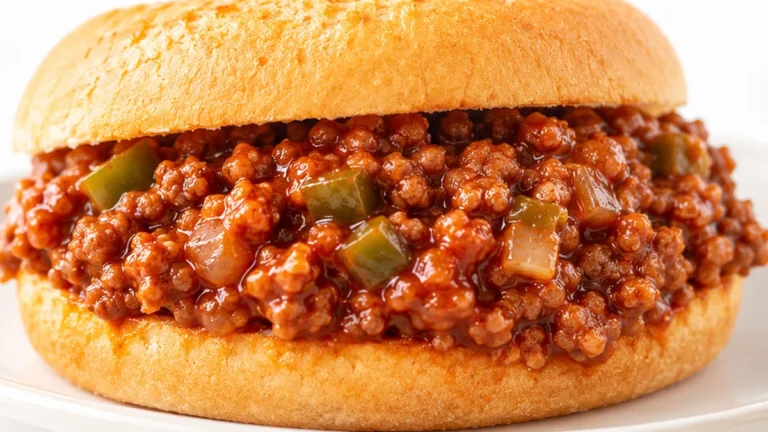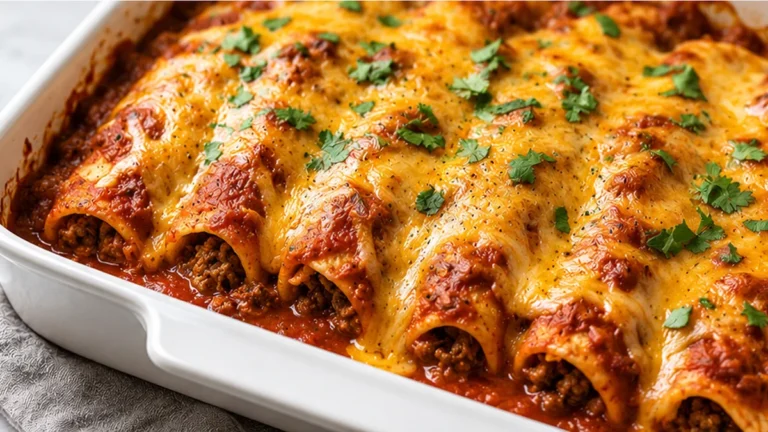
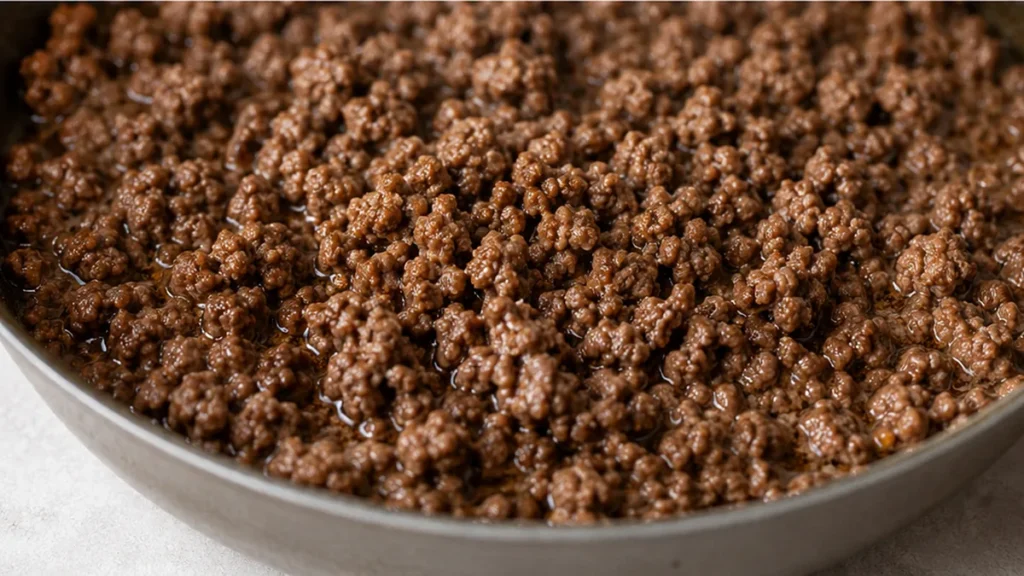
Learning to cook ground beef perfectly can elevate many everyday meals from good to great. This method ensures your ground beef is incredibly juicy and packed with flavor, far beyond the standard crumble-and-drain technique. The secret to this restaurant-style ground beef lies in a slow simmer with broth, allowing the meat to absorb moisture and tenderize. It’s a simple addition that makes all the difference, transforming a humble ingredient into a culinary star.
Key takeaways
- Manage moisture by adding beef broth/water during cooking.
- Achieve deep flavor through proper browning (Maillard reaction).
- Season adequately with salt, garlic powder, onion powder, and pepper.
- Avoid overcooking to maintain juiciness and texture.
Juicy Ground Beef: Restaurant Style!
Ingredients
- 1 lb ground beef
- 2-3 cups low-sodium beef broth or water
- Salt to taste
- 1 tbsp olive oil
- 1 tsp garlic powder
- 1 tsp onion powder
- 1/2 tsp black pepper
Instructions
- Heat 1 tbsp olive oil in a large skillet with a lid over medium-high heat. Add the ground beef and brown, breaking it up as it cooks. Drain the beef and return it to the skillet.
- Add 2 cups beef broth, garlic powder, onion powder, and black pepper to the cooked ground beef. Bring the liquid to a boil, then cover and reduce heat to low. Simmer for 60 minutes, stirring and breaking the beef up finely every 10 minutes, adding more broth as needed to keep the beef moist.
- After 50 minutes, remove the lid and continue to simmer until the liquid reduces and becomes slightly saucy. Taste and add salt if necessary.
- Serve the juicy ground beef as desired in your favorite dishes.
Notes
The Technique for Juicy, Restaurant-Style Ground Beef
The secret to achieving that coveted juicy, restaurant-style ground beef texture lies in managing moisture and fat, and achieving a proper sear. This recipe focuses on creating an environment where the beef can cook evenly without drying out, while developing deep flavor through the Maillard reaction. We start with a good fat content in the ground beef (ideally 80/20). The olive oil in the pan provides a base for searing, allowing the beef to brown effectively. Adding the beef broth or water during the cooking process is crucial. It doesn’t just add flavor; it helps to create steam, which keeps the meat moist internally as it cooks. This liquid also dissolves the flavorful browned bits (fond) from the bottom of the pan, which are then reabsorbed by the beef, intensifying the taste and creating a richer sauce. Seasoning with salt, garlic powder, onion powder, and black pepper at the right time is also key. Salting too early can draw out too much moisture, while salting at the end ensures the flavors are present throughout. The goal is to cook the beef until it’s just done, avoiding overcooking which leads to toughness and dryness.
Troubleshooting
- Problem: Beef is dry and crumbly.
Fix: You likely overcooked the beef. Next time, cook for a shorter duration and remove from heat as soon as it’s browned, allowing residual heat to finish the cooking. Ensure you added the beef broth/water to help retain moisture.
- Problem: Beef lacks flavor and is bland.
Fix: Ensure you seasoned adequately with salt, garlic powder, onion powder, and pepper. Also, make sure you scraped up all the browned bits (fond) from the bottom of the pan when adding the liquid; this is where much of the flavor resides.
- Problem: Beef is mushy instead of having texture.
Fix: Avoid overcrowding the pan, which causes the beef to steam rather than sear. Cook in batches if necessary. Also, ensure you didn’t add too much liquid, which can dilute the texture.
- Problem: Greasy final product.
Fix: If using very high-fat ground beef, you can carefully drain off excess grease after browning but before adding the liquid. However, some fat is essential for flavor and juiciness.
Substitutions
- Beef Broth/Water: You can substitute with a mixture of beef bouillon and water, but be mindful of the sodium content as bouillon can be quite salty. The flavor profile will be similar.
- Olive Oil: Any neutral cooking oil like canola, vegetable, or avocado oil can be used. The result will be similar browning and moisture retention.
- Garlic Powder/Onion Powder: Fresh minced garlic and onion can be used, but add them slightly earlier in the cooking process (after the initial browning) to allow them to soften and release their flavor without burning. Use about 1 clove of garlic and 1/4 cup of finely minced onion per teaspoon of powder.
- Ground Beef: While this recipe is optimized for 80/20 ground beef, 85/15 can also work. Leaner grinds (90/10 or higher) will result in a less juicy final product and may require slightly less liquid to avoid a mushy texture.
Pro tips
- For the most flavor, use an 80/20 ground beef blend. The fat renders down, contributing to a richer taste.
- If the beef ever looks dry during the hour-long simmer, don’t hesitate to add another splash of broth to maintain moisture. If it gets too dry the texture suffers, so keep it moist!
- Internal temperature for ground beef should reach 160°F (71°C) for food safety. Use a meat thermometer to verify before serving.
Mastering this ground beef technique will change the way you cook. Experiment with different seasonings to truly make it your own!
Frequently asked questions
How do I prevent the ground beef from becoming dry?
Ensure you don’t overcook the beef. Adding the specified amount of beef broth or water during cooking helps to create steam, keeping the meat moist. Also, using ground beef with a decent fat content, like 80/20, contributes significantly to juiciness.
Can I add vegetables to this recipe?
Yes, you can add finely chopped onions and garlic along with the ground beef, or sauté them in the olive oil before adding the beef. Other vegetables like bell peppers or mushrooms can be added once the beef is mostly browned.
What is the best way to season the ground beef?
Season the ground beef generously with salt, garlic powder, onion powder, and black pepper after it has started to brown. This allows the seasonings to adhere to the meat and develop flavor during the cooking process. Taste and adjust seasoning before serving.
How can I make the ground beef taste more like restaurant-style?
The key is the browning process (Maillard reaction) and retaining moisture. Searing the beef properly in olive oil and then deglazing with beef broth or water to capture those browned bits will build a rich, savory flavor profile similar to what you’d find in restaurants.
More from Gluten-Free Dinners & Mains →