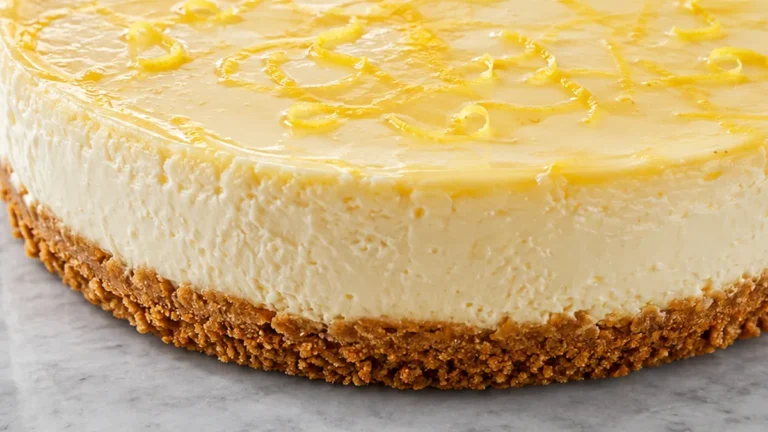
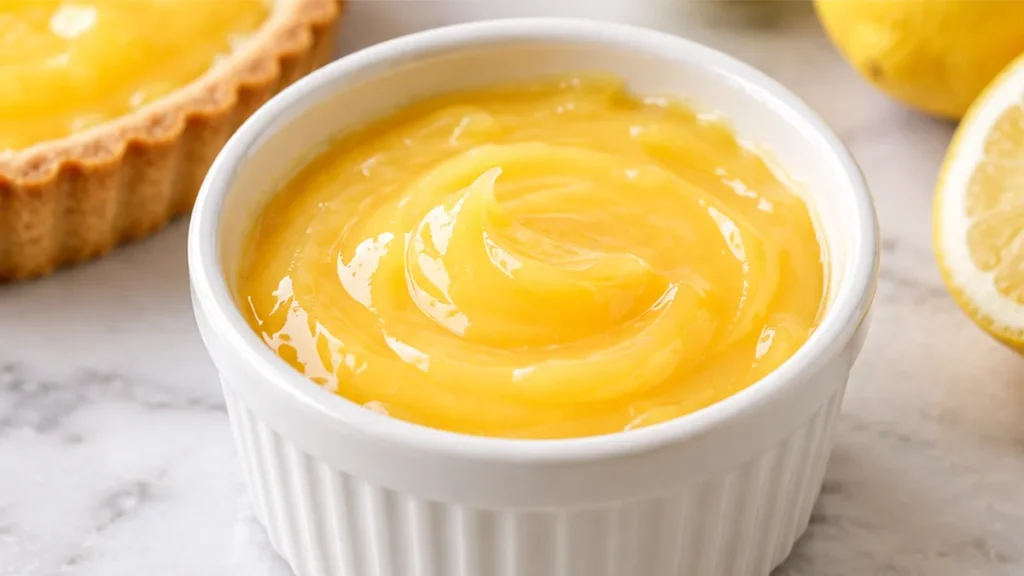
Luscious lemon curd is a simple yet rewarding recipe. This version uses fresh eggs to achieve a creamy texture. Perfect for tarts or as a spread.
Key takeaways
- Understanding the emulsion process is crucial for a smooth texture.
- Avoid high heat to prevent curdling and ensure a creamy consistency.
- Experiment with citrus varieties or butter substitutes for unique flavors.
- Lemon curd’s bright acidity sets it apart from other custards.
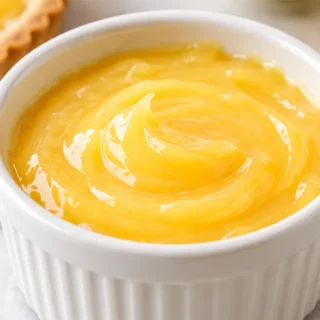
Luscious Lemon Curd: Bright, Zesty & Irresistible!
Ingredients
Instructions
- Zest the lemons, then juice them into a separate bowl. Separate the egg yolks from the whites, placing the yolks in a saucepan.
- Whisk the egg yolks and lemon juice together in the saucepan over low heat until well combined.
- Add the granulated sugar and lemon zest to the saucepan, continuing to whisk constantly for about 5-7 minutes until the mixture thickens enough to coat the back of a spoon.
- Remove the saucepan from the heat.
- Add the cold, unsalted butter to the mixture. Whisk vigorously until the butter is fully melted and incorporated, creating a smooth, glossy curd. Strain through a fine-mesh sieve if desired for an extra smooth texture.
- Transfer the lemon curd to a clean jar or airtight container. Let it cool completely before refrigerating. It will thicken further as it chills.
Understanding the Science Behind Luscious Lemon Curd
Lemon curd is a classic dessert that relies on the perfect balance of acidity, sweetness, and creaminess. The key to achieving a luscious texture lies in the emulsion of butter and egg yolks with the lemon juice. When heated gently, the proteins in the egg yolks coagulate and thicken the mixture, creating a smooth and velvety curd. The ideal temperature for cooking lemon curd is around 70-80°C (158-176°F), as this ensures the eggs thicken without scrambling. Maintaining a gentle heat and stirring constantly is crucial; otherwise, you risk curdling the eggs.
Common Pitfalls and How to Avoid Them
Making lemon curd can be straightforward, but there are several common issues that may arise:
- Curdled Texture: This occurs when the mixture is cooked at too high a temperature. To fix this, lower the heat and continuously stir to distribute the heat evenly.
- Too Tart: If the curd is overly tart, it might be due to an excess of lemon juice. Adjusting the sugar content can help balance the acidity.
- Grainy Consistency: This can happen if the sugar is not fully dissolved before heating. Always mix the sugar with the eggs thoroughly before adding heat.
Ingredient Swaps and Their Effects
While the traditional recipe for luscious lemon curd is delightful, you can experiment with different ingredients for unique flavors:
- Butter Substitutes: Using coconut oil instead of butter will create a dairy-free version, but it will impart a subtle coconut flavor.
- Alternative Citrus: Replacing lemon juice with lime or orange juice can give the curd a different taste profile, though the acidity and sweetness will vary.
- Egg Alternatives: For a vegan option, aquafaba (the liquid from canned chickpeas) can replace egg yolks, but the texture may not be as rich.
Unique Characteristics of Luscious Lemon Curd
Lemon curd stands out from other desserts due to its bright acidity and creamy texture. The combination of fresh lemon juice and zest not only provides a vibrant flavor but also a stunning color. Unlike other custards, lemon curd is typically served chilled and can be used in various applications, from filling pastries to topping pancakes. Its versatility and refreshing taste make it a favorite among many dessert lovers.
Understanding the Shelf Life and Storage of Luscious Lemon Curd
Proper storage is crucial for maintaining the quality of luscious lemon curd. When stored in an airtight container in the refrigerator, it can last for up to two weeks. However, for longer preservation, freezing is an option. To freeze lemon curd, transfer it to a freezer-safe container, leaving some space for expansion. It can last for about three months in the freezer. When ready to use, thaw it in the refrigerator overnight. Note that freezing may slightly alter the texture, but the flavor remains intact.
Scaling the Recipe for Different Occasions
Scaling the luscious lemon curd recipe is straightforward, but precision is key. When doubling or halving the recipe, maintain the same ratios of eggs, sugar, and lemon juice. For instance, if the original recipe calls for 200 grams of sugar, use 400 grams for double the batch. Be mindful of cooking times; larger batches may require additional cooking time to reach the desired thickness. Conversely, smaller batches may cook faster, so keep a close eye on the curd while it heats.
Choosing the Right Equipment for Perfectly Smooth Lemon Curd
The equipment you use can significantly impact the texture of your luscious lemon curd. A heavy-bottomed saucepan is ideal for even heat distribution, preventing scorching. A whisk is essential for incorporating air and achieving a smooth consistency. Consider using a fine-mesh strainer to remove any coagulated egg bits after cooking, ensuring a silky texture. If you have an immersion blender, it can be used briefly at the end to achieve an ultra-smooth finish.
Seasonal Variations and Ingredient Quality Impacting Flavor
The quality of your ingredients, particularly the lemons, can greatly affect the flavor of your lemon curd. In season, use fresh, organic lemons for the best taste. Off-season lemons may be less flavorful and more acidic. Additionally, consider experimenting with different citrus fruits, such as limes or oranges, to create unique flavor profiles. The acidity level of the fruit will influence the overall balance of your curd, so adjust sugar levels accordingly to achieve the desired sweetness.
Understanding the Emulsification Process in Luscious Lemon Curd
Emulsification is critical for achieving the perfect texture in lemon curd. The process involves combining fat (from butter) and water (from lemon juice and eggs) to create a stable mixture. For optimal results, maintain a temperature of around 65-70°C (149-158°F) while stirring continuously. This temperature range allows the egg proteins to coagulate gently, thickening the curd without scrambling the eggs. If the mixture exceeds 80°C (176°F), the proteins can curdle, leading to a grainy texture. Therefore, using a double boiler or a heatproof bowl over simmering water can provide better temperature control and prevent overheating.
Batch Scaling for Luscious Lemon Curd: Tips and Techniques
Scaling your lemon curd recipe can be straightforward, but it requires careful attention to ingredient ratios and cooking times. For instance, doubling the recipe typically means doubling the ingredients, but you may need to adjust cooking times. A larger batch may take longer to reach the desired thickness, so be prepared to monitor the curd closely. Additionally, if you’re using a different pot or pan, remember that heat distribution can vary. A wider pan may cook the curd faster due to increased surface area, while a deeper pot may require more time. Always use a thermometer to verify the curd’s temperature for consistent results.
Serving Suggestions and Pairing Ideas for Luscious Lemon Curd
Lemon curd is incredibly versatile and can enhance various dishes. Serve it atop scones or as a filling in pastries for a delightful afternoon tea experience. It pairs beautifully with fresh berries, adding a zesty contrast to their sweetness. For a refreshing dessert, try spooning it over yogurt or ice cream. Additionally, consider incorporating lemon curd into cakes or tarts for a burst of flavor. When serving, garnish with a sprig of mint or a dusting of powdered sugar to elevate the presentation. Remember, the bright acidity of lemon curd complements rich or creamy elements, making it an excellent addition to many desserts.
How to Achieve the Perfect Consistency in Your Luscious Lemon Curd
To create a luscious lemon curd with the ideal creamy texture, understanding the importance of temperature control is essential. The curd should be cooked gently over low to medium heat, typically around 70-80°C (160-175°F), to ensure that the eggs do not scramble. Stirring continuously helps distribute heat evenly, preventing any hot spots that could lead to curdling. The curd is ready when it thickens enough to coat the back of a spoon, which usually takes about 10-15 minutes of cooking. If your curd comes out too thin, it may not have reached the proper temperature or cooking time. You can fix this by returning it to the heat and cooking it a bit longer until it thickens appropriately. Conversely, if your curd is too thick, it may have been cooked at too high a temperature or for too long, leading to a rubbery texture. To remedy this, whisk in a bit of lemon juice or water to adjust the consistency.
Understanding the Role of Ingredients in Flavor and Texture
The quality and type of ingredients used in your luscious lemon curd significantly impact its flavor and texture. Freshly squeezed lemon juice is crucial for achieving that bright, zesty flavor that defines a great lemon curd. Bottled lemon juice often lacks the vibrant acidity and freshness of the real thing. When it comes to sugar, using granulated sugar is common, but substituting with superfine sugar can help dissolve more quickly, leading to a smoother texture. Additionally, the choice of eggs matters; large, fresh eggs provide the best emulsification and richness. For an even silkier texture, consider using egg yolks only, which enhance the creaminess while reducing the eggy flavor. Finally, incorporating unsalted butter at room temperature allows for seamless mixing and a luxurious mouthfeel. Understanding these ingredient roles can help you make informed choices to elevate your lemon curd to new heights.
Pro tips
Pro tip: Best served immediately while hot!
Frequently asked questions
What can I use lemon curd for?
Lemon curd is incredibly versatile. You can use it as a filling for pastries, a topping for pancakes, or even as a layer in cakes. It also works well as a spread on toast or scones.
How long does homemade lemon curd last?
Homemade lemon curd can last in the refrigerator for about one to two weeks. Make sure to store it in an airtight container to maintain freshness.
Can I freeze lemon curd?
Yes, you can freeze lemon curd. It should be stored in an airtight container, and it can last for up to three months in the freezer. Thaw it in the refrigerator before using.
Why is my lemon curd too runny?
If your lemon curd is too runny, it may not have been cooked long enough for the eggs to thicken properly. Return it to the heat and stir continuously until it reaches the desired consistency.
More from Gluten-Free Desserts & Sweets →