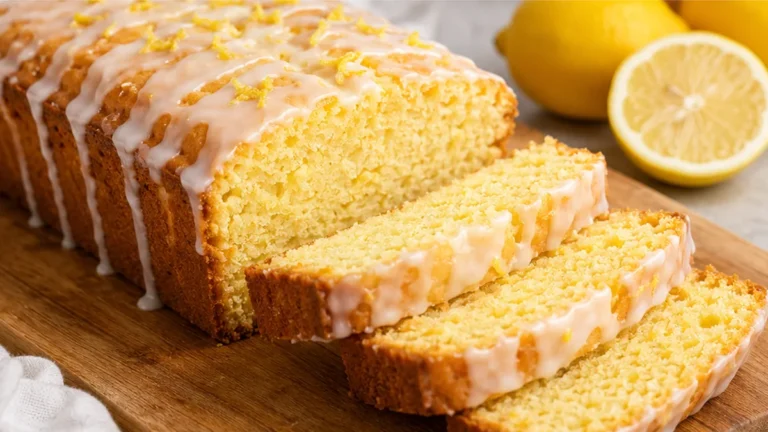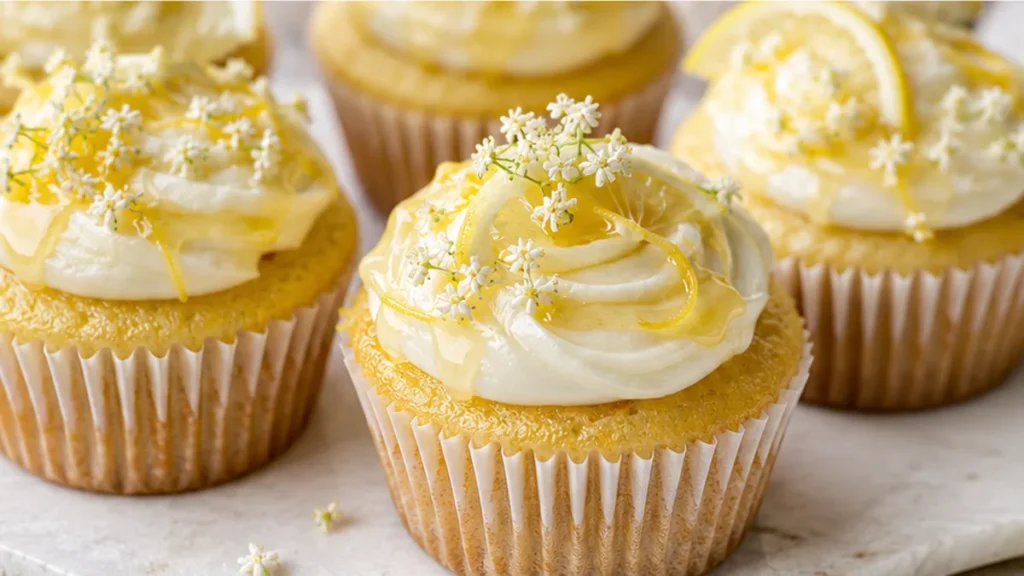
The secret to truly exquisite lemon elderflower cupcakes lies in balancing the bright acidity of lemon with the subtle, sweet notes of elderflower. This particular recipe for lemon elderflower cupcakes achieves just that, creating a dessert that is both refreshing and deeply satisfying, without being overly sweet. Crafted for those who appreciate nuanced flavors and a tender crumb, these lemon elderflower cupcakes are an ideal treat for spring celebrations, garden parties, or simply a delightful afternoon indulgence. I’ve found that using good quality elderflower syrup makes all the difference in achieving that signature floral aroma.
Key takeaways
- Proper emulsion is crucial for light texture in gluten-free cupcakes.
- Use fresh baking powder for optimal rise.
- Sifting flour can improve texture.
- Flavor can be enhanced with additional elderflower syrup or lemon zest.
Elderflower Lemon Cupcakes
Ingredients
- ½ cup vegetable oil
- ⅔ cup granulated sugar
- 2 large eggs, room temperature
- ¼ cup elderflower syrup
- 1 ¼ cups all purpose gluten-free flour blend
- ¼ teaspoon salt
- 1 ¾ teaspoons baking powder
- ¼ cup dairy-free milk
- ½ teaspoon xanthan gum
- 2 teaspoons gluten free vanilla extract
- 1 cup unsalted butter, softened
- 1 teaspoon vanilla paste
- 4 cups powdered sugar
Instructions
- Preheat oven to 350°F (180°C). Position the rack in the center. Line a cupcake pan with paper liners; set aside.
- In a medium mixing bowl, combine the vegetable oil and granulated sugar.
- Add the eggs and elderflower syrup and beat with an electric mixer at medium speed for one minute. Add the gluten-free flour blend, salt, baking powder, dairy-free milk, xanthan gum, and gluten-free vanilla extract; beat at medium speed for one minute until just combined.
- Spoon the batter evenly into the cupcake liners. Bake for 18-20 minutes or until the centers spring back when touched and cupcakes are very lightly browned.
- Let the cupcakes cool in the pan on a wire rack for five minutes. Remove cupcakes from the pan onto the rack and cool completely before frosting.
- For the frosting: In a medium mixing bowl, beat together the softened butter and vanilla paste until smooth and creamy.
- Gradually add the powdered sugar, one cup at a time, beating well after each addition. Alternate with 1 tablespoon of dairy-free milk and 1 tablespoon of elderflower syrup until all ingredients are blended and the frosting is smooth.
- Beat in additional dairy-free milk if needed to obtain the desired consistency for frosting.
Video
Notes
– If your gluten-free flour blend doesn’t contain xanthan gum, don’t skip it! It’s crucial for providing structure and preventing crumbling in gluten-free baking.
– When mixing the batter, avoid overbeating after adding the dry ingredients. Mix just until combined to keep the cupcakes tender and moist.
– Store leftover cupcakes in an airtight container at room temperature for up to 3 days, or in the refrigerator for up to 5 days. For longer storage, unfrosted cupcakes can be frozen for up to 2 months. Nutrition information is an estimate, calculated automatically. Values vary with brands, substitutions and portion sizes.
The technique that makes it
The key to achieving light and fluffy lemon elderflower cupcakes lies in the emulsion process and proper mixing techniques. When combining the vegetable oil and granulated sugar, you’re creating an emulsion that helps to aerate the batter. This is crucial for gluten-free baking, as it lacks the structural support that gluten provides. The incorporation of eggs adds moisture and helps bind the ingredients, while the elderflower syrup enhances flavor without adding extra weight. Make sure to mix the dry ingredients thoroughly before adding them to the wet ingredients to ensure even distribution of the baking powder and xanthan gum, which helps mimic the elasticity of gluten.
Troubleshooting
- Issue: Cupcakes are dense and heavy.
Fix: Ensure that the baking powder is fresh and properly measured. Overmixing can also lead to a dense texture; mix just until combined. - Issue: Cupcakes have a gritty texture.
Fix: Use a finely milled gluten-free flour blend. If the blend contains coarser flours, consider sifting it before use. - Issue: Cupcakes do not rise properly.
Fix: Check that your baking powder is active. Also, avoid opening the oven door during baking, as this can cause the cupcakes to collapse. - Issue: Flavor is too weak.
Fix: Increase the amount of elderflower syrup or add a bit of lemon zest for a more pronounced flavor profile.
Substitutions
- Vegetable oil: Can be replaced with melted coconut oil for a subtle coconut flavor and similar moisture content.
- Dairy-free milk: Any non-dairy milk (such as almond or oat milk) can be used without affecting the outcome.
- Unsalted butter: Substitute with vegan butter to maintain a dairy-free recipe while achieving the same texture in frosting.
- Xanthan gum: Can be replaced with guar gum in equal amounts for a similar binding effect in gluten-free baking.
Pro tips
- For the best texture, ensure your eggs are at room temperature. This helps them incorporate better into the batter, leading to a lighter, fluffier cupcake.
- If your gluten-free flour blend doesn’t contain xanthan gum, don’t skip it! It’s crucial for providing structure and preventing crumbling in gluten-free baking.
- When mixing the batter, avoid overbeating after adding the dry ingredients. Mix just until combined to keep the cupcakes tender and moist.
- Store leftover cupcakes in an airtight container at room temperature for up to 3 days, or in the refrigerator for up to 5 days. For longer storage, unfrosted cupcakes can be frozen for up to 2 months.
These lemon elderflower cupcakes are a testament to how simple ingredients can create something truly special. Enjoy the delicate dance of flavors and share them with loved ones. Bon appétit!
Frequently asked questions
Can I use regular flour instead of gluten-free flour?
Yes, you can use all-purpose flour instead of gluten-free flour. However, you may need to adjust the liquid content slightly, as regular flour absorbs moisture differently.
How can I store leftover cupcakes?
Store leftover lemon elderflower cupcakes in an airtight container at room temperature for up to 3 days. For longer storage, refrigerate them for up to a week or freeze for up to 3 months.
What can I use instead of elderflower syrup?
If you don’t have elderflower syrup, you can substitute it with a combination of lemon juice and a bit of sugar to mimic the floral and sweet notes.
How do I know when the cupcakes are done baking?
Check for doneness by inserting a toothpick into the center of a cupcake. If it comes out clean or with a few crumbs, the cupcakes are done. They should also spring back when gently pressed on top.
More from Gluten-Free Desserts & Sweets →