Gluten free cooking lives or dies on numbers most guides never print: 20 ppm is the US legal ceiling for a “gluten-free” claim, shared pasta water measured as high as 115 ppm of transferred protein, and packaged substitutes run 46 percent to 443 percent more expensive than their wheat versions. Those three figures decide more in a real kitchen than any list of “avoid this grain.” A cook who understands them stops fearing the toaster and starts fearing the pot of shared water, which is exactly backwards from the folklore. This guide fixes that with sourced measurements, conversion ratios, and the regulatory limits for US, UK, and EU readers.
Most authoritative pages define the diet and hand you a shopping list. Almost none of them tell you how to cook. That is the gap this fills.
Quick answer: what gluten free really requires
Gluten free means the finished food contains no more than 20 ppm of it in the US and no more than 20 mg/kg in the EU and UK, which are the same threshold expressed two ways. The rule matters because celiac disease is autoimmune, not a preference: a 90-day trial found 50 mg of the protein per day caused intestinal damage. In the kitchen, the biggest daily risk is not a shared toaster but shared cooking water. Cooking from scratch also sidesteps the protein and fibre losses baked into most packaged substitutes made for this diet.
The three conditions hiding behind one label
Three distinct medical situations send people to the same aisle, and each demands a different level of strictness. Celiac disease is an autoimmune reaction where the protein triggers immune damage to the small intestine. Non-celiac gluten sensitivity produces symptoms without that autoimmune damage. Wheat allergy is an allergic response to wheat proteins specifically, not to barley or rye. Pooled global data put celiac disease prevalence at 1.4 percent by serology and 0.7 percent by biopsy, with 0.8 percent in Europe and 0.9 percent in children versus 0.5 percent in adults. That spread matters because a celiac reader needs the 20 ppm rule enforced to the letter, while someone avoiding wheat for a wheat allergy can eat barley freely.
The Cleveland Clinic is unusually clear on this three-way split, which most competitors blur into one. The distinction changes your grocery list, your restaurant questions, and how paranoid you need to be about a crumb.
Critically, do not start eating gluten free before you are tested. Removing it heals the gut lining and can flip celiac blood tests and biopsy results to false negatives. The US National Institute of Diabetes and Digestive and Kidney Diseases spells this out in its clinical eating guidance. Get the diagnosis first, then commit.
Who needs this versus who chooses it
People with diagnosed celiac disease need lifelong, strict adherence. People with a wheat allergy avoid wheat but not necessarily barley or rye. Everyone else is choosing, and choice is fine, but a chosen gluten free diet does not require the trace-level vigilance a celiac diet does.
The wheat aliases that slip past you
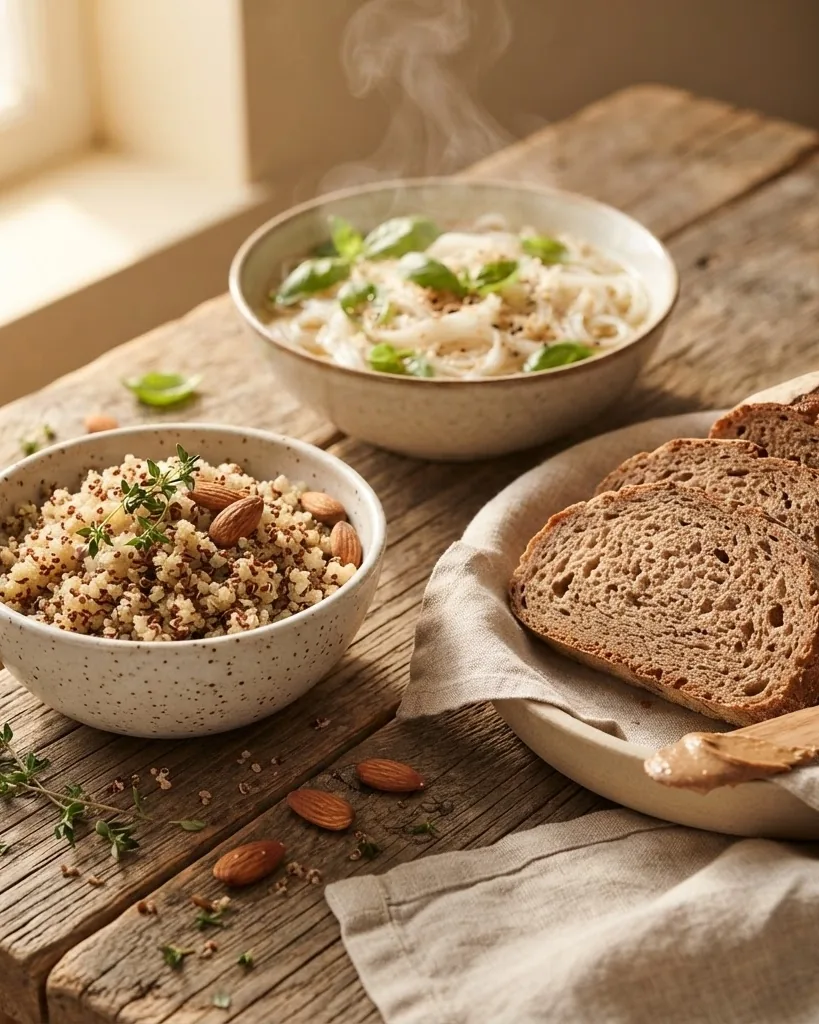
Wheat wears many names, and the sneaky ones are the ones that read like ingredients, not like wheat. Durum, semolina, spelt, kamut or khorasan, einkorn, emmer, farro, bulgur, couscous, farina, and triticale all contain gluten. Triticale is a wheat-rye hybrid, so it carries both problems at once, and the protein itself comes from a family of prolamins: gliadin in wheat, hordein in barley, secalin in rye. Reading a label for the word “wheat” is not enough, because barley and rye are not among the top-eight US labelled allergens, which means a product can contain barley malt with no bold allergen warning at all.
That single fact from the Celiac Disease Foundation undoes a common shortcut. The absence of an allergen warning does not establish that a product is gluten free.
- Read as gluten: durum, semolina, spelt, kamut, einkorn, emmer, farro, bulgur, couscous, farina, triticale.
- Hidden sources: soy sauce, malt vinegar, stock cubes, seitan, roux-thickened sauces, some processed meats, beer, certain spice blends.
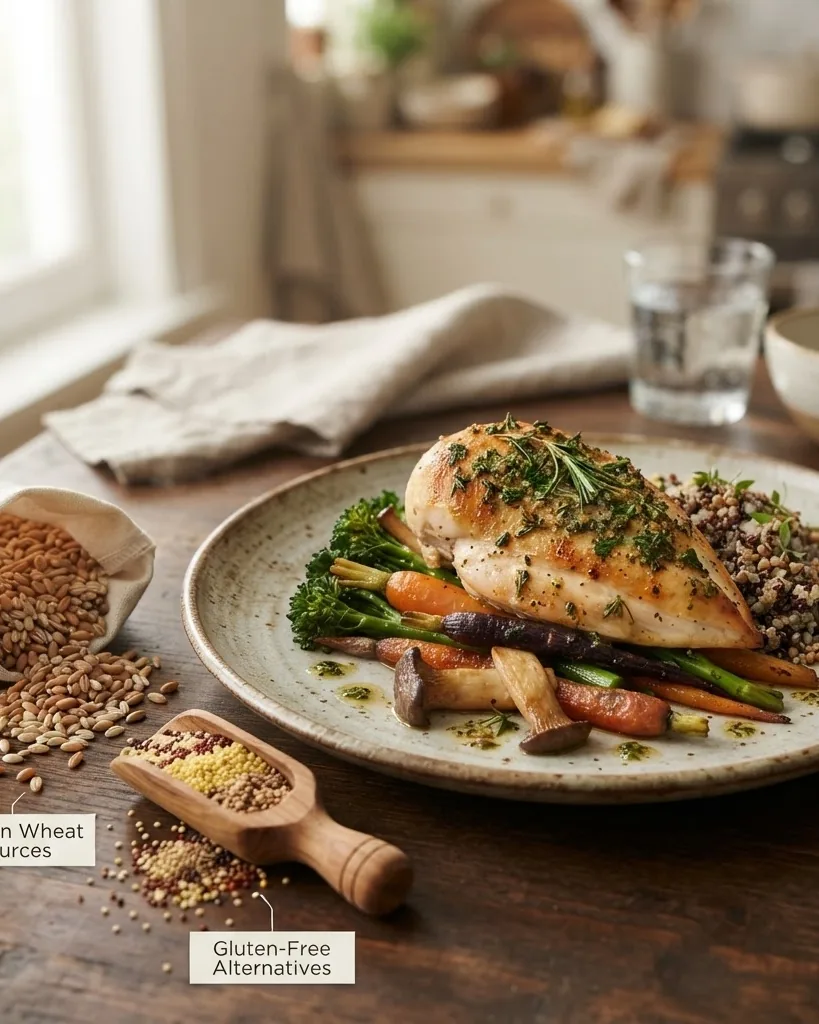
- Naturally gluten free grains: rice, corn, sorghum, millet, teff, buckwheat, quinoa, amaranth.
US, EU, and UK label limits side by side
The legal ceiling is 20 either way, but the wording and scope differ by jurisdiction, and that trips up travellers and importers. In the US, a food labelled “gluten-free,” “free of gluten,” “without gluten,” or “no gluten” must contain less than 20 ppm of it, where 20 ppm equals 20 milligrams of the protein per 1 kilogram of food; the claim is voluntary and manufacturers had until August 2014 to comply. In the EU and UK, “gluten-free” requires no more than 20 mg/kg, and a separate “very low gluten” tier permits up to 100 mg/kg. The EU rule, unlike the US one, also covers non-prepacked food such as restaurant meals from 20 July 2016.
You can read the US wording directly in the FDA gluten and food labeling page, and the European text in Commission Implementing Regulation 828/2014 on EUR-Lex. Both trace back to Codex standard CXS 118-1979, adopted in 1979, revised in 2008, and amended in 2015, which is the international reference most national rules are built on.
Certification marks go stricter than the law. The Gluten-Free Certification Organization requires finished products and starting ingredients to test at or below 10 ppm, twice as strict as the 20 ppm legal figure, and bars barley-based ingredients outright. Coeliac UK owns the Crossed Grain trademark stamped across UK and EU packaging.
The counter-intuitive “contains wheat but legally gluten free” cases
Codex wheat starch, barley malt extract, and glucose syrup from wheat can appear on gluten free products because processing strips it below the legal limit. The British Dietetic Association addresses Codex wheat starch specifically in its coeliac guidance. These are not errors; they are legal ingredients that read alarming and test safe.
Converting a wheat recipe without it collapsing
Gluten does two jobs in baking: it builds structure and it traps moisture. Take it out and you have to replace both, which is why a straight one-for-one flour swap fails. A workable blend mixes a starch base with a whole-grain flour and a binder, then adds more water than the original recipe called for, because these substitute flours and starches drink liquid slowly and keep drinking it during a rest. The reflex to skip the rest is what produces gritty, sandy crumb.
Binders replace the elastic network gluten used to build. Xanthan gum is the default for cakes and cookies. Psyllium husk shines in bread because it forms a gel that mimics dough. Guar gum works as a xanthan alternative. Use them sparingly; too much turns a crumb gummy.
- Blend logic: starch for lightness, whole-grain flour for flavour and structure, binder for cohesion.
- Hydration: add liquid beyond the wheat original, then rest so flours fully absorb.
- Rest time: a batter that looks thin often thickens correctly after resting.
For a recipe that already works around these rules, look at how these fluffy grain-free protein crepes lean on hydration and rest rather than gluten for their flex. The same absorb-and-wait logic carries a batter that would otherwise tear.
Bread and pizza behave like batter, not dough
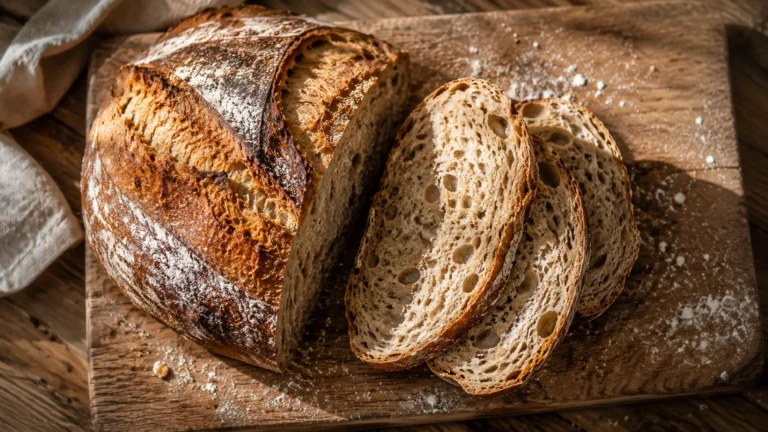
Without gluten there is no windowpane test and no dough to knead, because there is no elastic network to develop. These loaves and pizzas start as thick batters you spread or pipe, not knead. Stop looking for a smooth, stretchy ball; it is not coming, and chasing it by adding flour ruins the crumb.
Thickening a sauce without wheat flour
Roux depends on wheat, so gravies and pan sauces need a different thickener. Cornstarch, arrowroot, and sweet rice flour all thicken cleanly. Cornstarch gives a glossy finish, arrowroot handles acidic sauces better, and sweet rice flour resists breaking when reheated, which suits make-ahead dishes.
Cross-contact by measured risk, not folklore
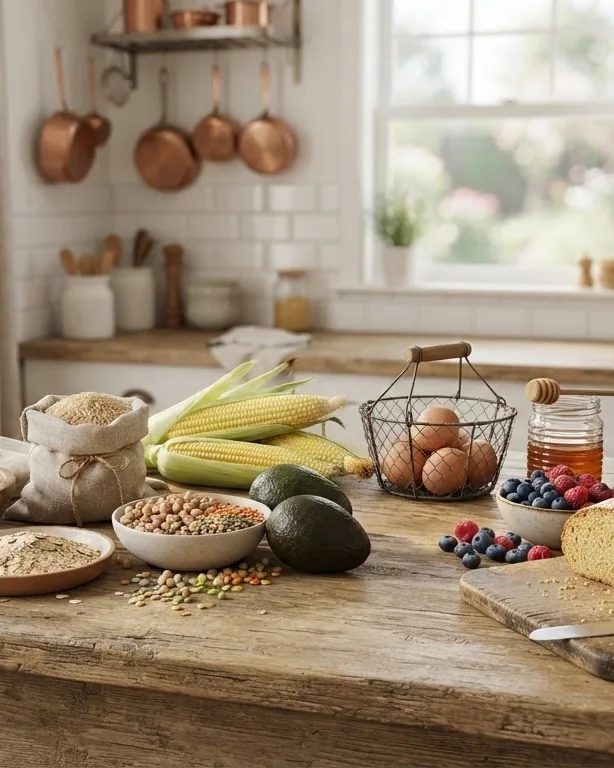
The advice to duplicate your entire kitchen is mostly wrong, and published measurements say so. Cooking gluten free pasta in water previously used for wheat pasta transferred it at levels as high as 115 ppm, which is why shared water is the one genuine hard rule. By contrast, toasting the same kind of bread in a shared toaster with visible crumbs, and cutting a cupcake made the same way with a knife used on a wheat cupcake, both stayed below 20 ppm in the same research. Washing utensils with soap and water, or even water alone, brought levels back under 20 ppm. So the honest kitchen fix is fresh water and a rinse, not a second toaster.
You can read the shared-toaster findings from Children’s National in their write-up, do celiac families need two toasters. Frying is the other real risk. Of 20 orders of fries from 10 restaurants using shared wheat fryers, an R5 ELISA test detected gluten in 9 orders ranging from 7 to over 80 ppm, and 25 percent of orders would not meet the legal limit for the claim.
The restaurant picture is worse than most diners assume. Across 5,624 point-of-care tests by 804 users, gluten turned up in 32 percent of foods labelled as such, including 53.2 percent of the pizza and 50.8 percent of the pasta sold as gluten free. Pizza and pasta are the two worst offenders, which lines up neatly with the shared-water and shared-surface mechanics.
- High risk: shared pasta water (up to 115 ppm), shared deep fryer (25 percent of orders over the limit).
- Low risk, handled by washing: shared toaster and shared knife, both under 20 ppm.
- Effective control: soap-and-water or water-only washing returns levels under 20 ppm.
What a mixed household genuinely needs to duplicate
Given the numbers, the duplication list is short. Keep a dedicated pot of water for gluten free pasta, or cook it first in fresh water. Avoid shared fryer oil entirely. Wash shared knives, boards, and the toaster tray, and you have handled the measurable risk without buying two of everything.
The protein, fibre, and price gap in packaged swaps
Gluten free packaged substitutes are systematically weaker nutritionally and far more expensive, which is the strongest single argument for cooking from scratch. Comparing 423 such products against 337 conventional wheat-based equivalents on the Norwegian market, the former had less protein and fibre and more saturated fat, carbohydrate, and salt, with prices running 46 percent to 443 percent higher. An Austrian dataset of 63 such foods against 126 counterparts found protein more than 2-fold lower across 57 percent of categories, with flour and bake mixes at 4.6 g versus 9.9 g protein per 100 g, and only 19 percent of these products qualifying as high-fibre above 6 g per 100 g.
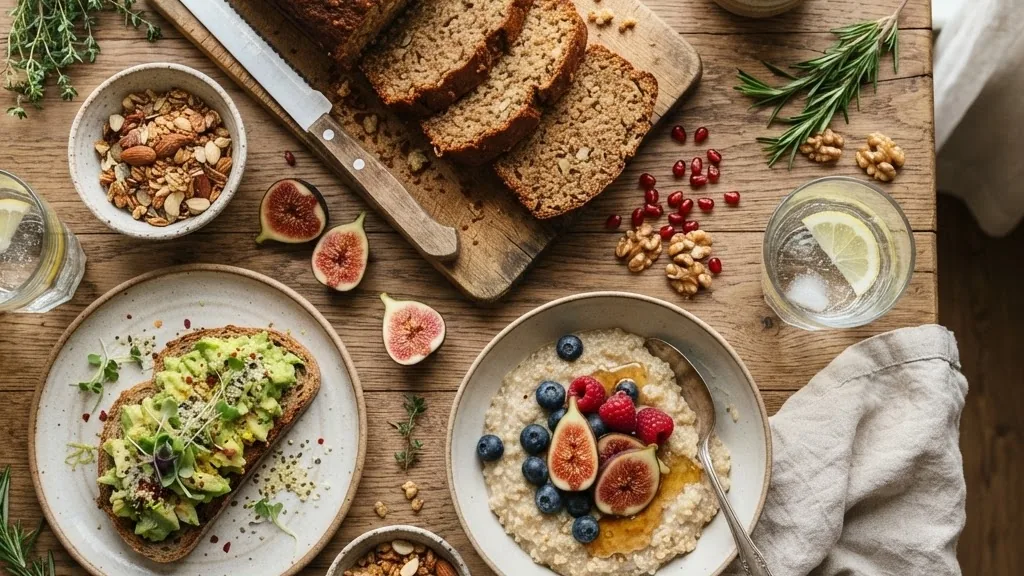
Those gaps close when you cook. Building your own blends from naturally gluten free grains like sorghum, teff, and buckwheat restores fibre and protein that commercial starch-heavy mixes strip out. It also means a “gluten-free” cookie is still a cookie; removing it does not make sugar healthier.
The National Celiac Association also quantifies why label discipline pays off. In testing of 275 foods labelled gluten free, only 1.1 percent exceeded 20 ppm, but among foods with no ingredients containing it and no such label, 19.4 percent exceeded 20 ppm and 10.2 percent exceeded 100 ppm. The label is doing real work; the unlabelled “should be fine” product is the gamble.
The oat question and the avenin exception
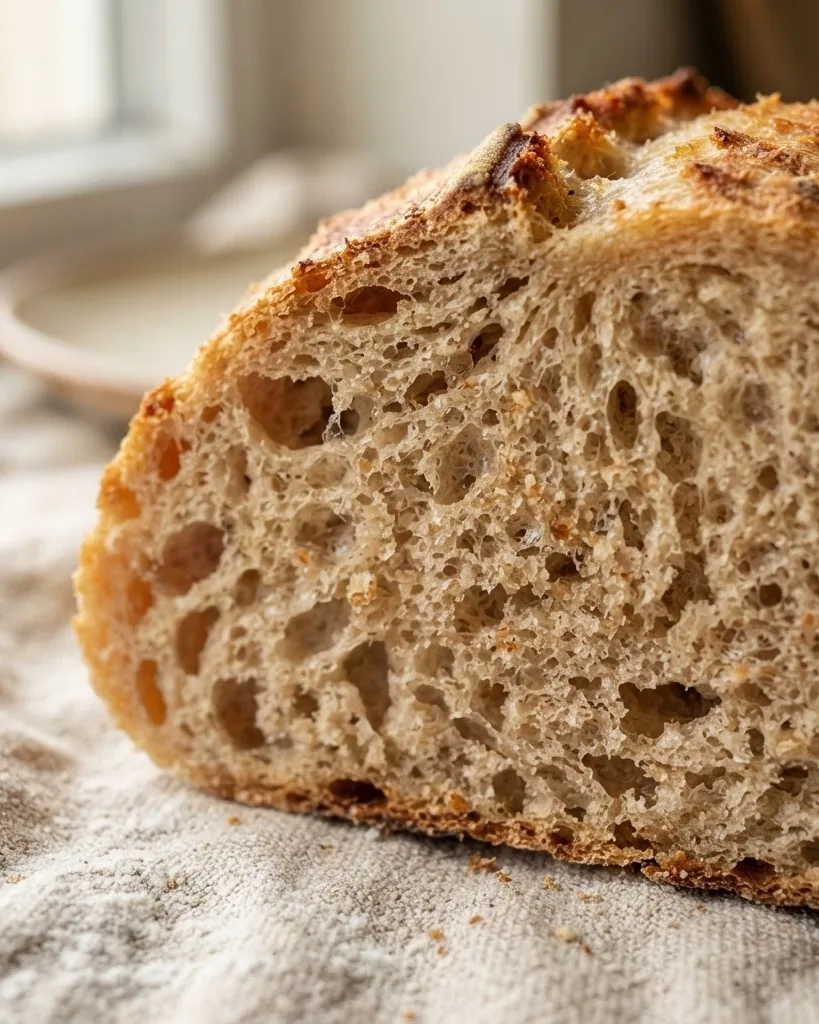
Oats are gluten free by botany but rarely by supply chain, and there is a second, separate problem on top of contamination. Most oats are cross-contaminated with wheat, barley, or rye during growing and milling, which purity-protocol or optically sorted oats are meant to solve. But a minority of people with celiac disease react to avenin, the oat prolamin itself, independent of any contamination. A controlled Australian challenge with purified avenin triggered an acute IL-2 immune response in some patients, though it did not produce intestinal damage over six weeks.
The practical upshot: buy certified gluten free oats to handle contamination, and if you still react, avenin sensitivity may be the reason. The Celiac Disease Foundation oats guidance covers both problems, and Beyond Celiac reports the avenin study in plain language. EU and UK rules require oats used in such a product to themselves test at no more than 20 mg/kg.
Frequently asked questions
Does gluten free mean zero gluten?
No. In the US, “gluten-free” legally means less than 20 ppm of it, and in the EU and UK it means no more than 20 mg/kg, which is the same threshold. Zero is not achievable or required at scale. The 20 ppm figure sits comfortably below the roughly 10 mg per day working tolerance derived from clinical trials, so a genuinely compliant product is safe for most people with celiac disease.
Is soy sauce gluten free?
Usually not. Traditional soy sauce is brewed with wheat, so it contains gluten unless the label states otherwise or it is tamari made without wheat. This is one of the classic hidden sources, alongside malt vinegar, stock cubes, and some spice blends. Always check the label rather than assuming, because barley and wheat derivatives are not always flagged as allergens.
Is beer gluten free?
Most beer is made from barley and contains gluten. The US FDA labelling rule for this claim does not even cover most alcoholic beverages, which fall outside its authority. Look for beers brewed from sorghum, rice, or millet, or beers specifically labelled and tested to meet that standard. Standard barley beer is not safe for people with celiac disease.
Do I really need a second toaster?
Probably not. Research measured gluten below 20 ppm when such bread was toasted in a shared toaster with visible crumbs. Washing removed residue effectively. The real hard rule is shared cooking water, which transferred up to 115 ppm, and shared fryers, which pushed 25 percent of fry orders over the limit. Spend your caution there, not on the toaster.
Which grains are naturally gluten free?
Rice, corn, sorghum, millet, teff, buckwheat, quinoa, and amaranth are all naturally gluten free, despite buckwheat’s misleading name. Building blends from these restores the protein and fibre that commercial starch-based mixes tend to strip out. Cooking from these grains also avoids the 46 percent to 443 percent price premium measured on packaged substitutes made for this diet.
Why can a product list wheat starch and still be gluten free?
Codex wheat starch is processed to remove gluten below the legal limit, so it can legally appear on a product carrying that claim. The same applies to barley malt extract and glucose syrup from wheat in certain cases. These read alarming but test compliant. When you want a fully wheat-free base, a naturally grain-free recipe removes the question entirely.
Putting the numbers to work in your kitchen
The evidence points one direction: cook more, buy less. Scratch cooking dodges the protein and fibre penalty, dodges the price premium, and lets you control the one variable restaurants keep getting wrong, which is cross-contact in shared water and shared oil. Start with dishes that were never built on gluten in the first place. A batch of honey-roasted cashews needs no conversion at all, and a naturally structured dessert like easy lemon posset proves how little it was doing in the first place. Keep the 20 ppm limit and the 115 ppm water warning in your head, and the rest is ordinary cooking.
This is general information, not medical advice. If you suspect celiac disease, get tested before removing gluten, and work with a registered dietitian on nutrient monitoring.
[req:111747]