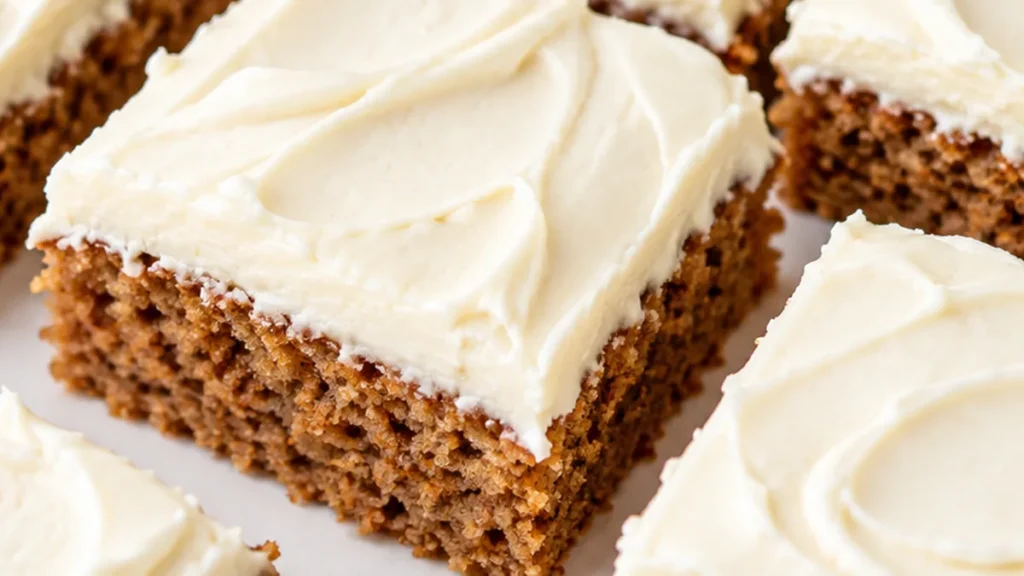
Gluten free spice cake recipe brings together warm spices and applesauce for added moisture. It’s a straightforward approach to baking a gluten-free dessert.
Key takeaways
- Utilize a balanced mix of spices to enhance flavor complexity.
- Avoid overmixing to prevent a dense cake texture.
- Adjust ingredient ratios when substituting flours or sweeteners.
- Incorporate moisture-rich ingredients for a tender crumb.
Gluten-Free Spice Cake Recipe
Ingredients
Instructions
- Preheat your oven to 350°F (175°C). Grease and flour a 9-inch cake pan, or line it with parchment paper.
- In a large bowl, whisk together the gluten-free flour, baking powder, baking soda, salt, cinnamon, ginger, nutmeg, and cloves.
- Add the granulated sugar to the dry ingredients and whisk to combine.
- Pour in the canola or avocado oil and mix well.
- Gradually add ⅔ cup of water (or milk for a richer cake) to the dry ingredients and whisk until just combined. Do not overmix.
- Pour the batter into the prepared cake pan and bake for 30-35 minutes, or until a toothpick inserted into the center comes out clean.
Understanding the Role of Spices in Flavor Development
The spices used in this gluten-free spice cake are not just for aroma; they play a crucial role in flavor development. Common spices like cinnamon, nutmeg, and ginger contribute to the cake’s warmth and complexity. For instance, cinnamon contains essential oils that enhance sweetness perception, making it a perfect complement to the cake’s sugar content. When combined with the right balance of sweeteners and fats, these spices can elevate the overall flavor profile significantly. The ideal temperature for baking this cake is around 180°C (350°F), which allows the spices to bloom without burning, releasing their full flavor potential.
Common Baking Pitfalls and Their Solutions
Even with a well-thought-out gluten-free spice cake recipe, bakers can encounter issues. One common problem is the cake being too dense. This can occur if the batter is overmixed, which develops the gluten-like structure in gluten-free flours. To avoid this, mix until just combined. Another issue is uneven baking, which may arise from incorrect oven temperature. Using an oven thermometer can ensure accuracy, as home ovens can often be off by significant degrees. Lastly, if the cake rises too much and then collapses, it may be due to too much leavening agent. Reducing the baking powder or baking soda slightly can help maintain structure.
Ingredient Alternatives and Their Impact on Texture
When making a gluten-free spice cake, the choice of flour is vital. Almond flour can be swapped for a portion of the gluten-free all-purpose blend, resulting in a denser cake with a nutty flavor. Alternatively, coconut flour can be used, but it requires additional liquid due to its high absorbency, which can alter the cake’s moisture level. For sweeteners, using honey instead of granulated sugar will yield a moister cake with a different flavor profile, but it may require adjusting the liquid ingredients to maintain the proper batter consistency.
Unique Characteristics of Gluten-Free Spice Cakes
This gluten-free spice cake stands out due to its ability to remain moist and flavorful without the gluten structure typically found in traditional cakes. The use of ingredients like applesauce or yogurt can enhance moisture and tenderness. Additionally, the spices create a rich aroma that is often lacking in non-spiced gluten-free cakes. The combination of these elements not only makes the cake delicious but also gives it a unique texture and flavor that appeals to both gluten-free and traditional cake lovers alike.
How to Properly Store Gluten-Free Spice Cake for Maximum Freshness
Storing gluten-free spice cake requires particular attention to maintain its moisture and flavor. After baking, allow the cake to cool completely at room temperature. Once cooled, wrap it tightly in plastic wrap or aluminum foil to prevent air exposure, which can lead to drying. For longer storage, consider placing the wrapped cake in an airtight container. Refrigeration can extend the shelf life to about one week, but it may alter the texture slightly, making it denser. For optimal freshness, gluten-free spice cake can also be frozen. Slice the cake into portions, wrap each piece individually, and store them in a freezer-safe bag. When ready to enjoy, thaw at room temperature for a few hours or overnight. This method preserves the cake’s flavor and moisture effectively.
Scaling Your Gluten-Free Spice Cake Recipe for Different Occasions
Scaling a gluten-free spice cake recipe is straightforward, but it requires careful adjustments to ensure consistent results. When doubling or halving the recipe, maintain the same ratios of ingredients, particularly the gluten-free flour blend, as this can impact the cake’s structure. For instance, if the original recipe calls for 200 grams of flour, use 400 grams for double the batch. However, note that baking times may vary; larger cakes may require additional time in the oven, while smaller cakes may bake faster. Always check for doneness by inserting a toothpick into the center; it should come out clean when the cake is ready. Additionally, consider using different pan sizes to create a variety of cake shapes for special occasions.
Choosing the Right Equipment for Baking Gluten-Free Spice Cake
The equipment used for baking gluten-free spice cake can significantly affect the final product. Using a high-quality, non-stick baking pan ensures even heat distribution and prevents sticking, which is crucial for gluten-free cakes that may be more delicate. Silicone baking mats can also be beneficial, as they provide a non-stick surface and promote even baking. When mixing the batter, a stand mixer or hand mixer is recommended to achieve a smooth consistency, which helps in incorporating air for a lighter texture. Additionally, using a kitchen scale for measuring ingredients ensures accuracy, especially with gluten-free flour, which can have varying densities. Investing in a good oven thermometer can help maintain the correct baking temperature, as many ovens can be off by several degrees.
Enhancing Flavor Profiles with Seasonal Ingredients in Your Spice Cake
Seasonal ingredients can elevate the flavor profile of your gluten-free spice cake, making it even more delightful. For instance, incorporating fresh apples or pears in the fall adds moisture and a subtle sweetness. In winter, consider adding citrus zest, such as orange or lemon, to brighten the flavors. During spring, fresh herbs like basil or mint can introduce a unique twist, while in summer, berries can add a refreshing burst. When using fresh ingredients, adjust the dry ingredients slightly to maintain the cake’s balance. For example, if adding pureed fruit, reduce the liquid components in the recipe to avoid a soggy cake. This seasonal approach not only enhances flavor but also allows for creativity in baking.
Understanding the Impact of Moisture on Gluten-Free Spice Cake
Moisture control is critical in gluten-free baking, particularly for spice cakes. Gluten-free flours often absorb moisture differently than traditional wheat flour. For example, almond flour may retain more moisture, leading to a denser cake, while coconut flour can dry out the batter if not balanced with adequate liquid. A good starting point is a moisture ratio of 1:1 with liquid to flour. This means if you use 200 grams of flour, you should aim for about 200 milliliters of liquid. Additionally, incorporating ingredients like applesauce or yogurt can enhance moisture without adding excess fat, contributing to a tender crumb.
Scaling Your Gluten-Free Spice Cake for Different Occasions
When scaling your gluten-free spice cake recipe, consider the impact on baking time and temperature. For instance, if you’re doubling the recipe, you may need to bake at a slightly lower temperature (about 10°C or 20°F lower) to ensure even cooking throughout. This is particularly important as larger cakes can develop a crust before the center is fully baked. Additionally, using a larger pan can affect the cake’s height and texture; a wider pan often leads to a flatter cake. Always check for doneness with a toothpick; it should come out clean or with a few moist crumbs attached, but not wet batter. Adjustments in spices may also be necessary to maintain flavor intensity when increasing batch sizes.
Understanding the Effects of Ingredient Quality on Gluten-Free Spice Cake
The quality of ingredients plays a crucial role in the outcome of your gluten-free spice cake. For example, using fresh spices can significantly enhance flavor, while stale spices may result in a dull taste. Additionally, the type of gluten-free flour blend you choose is essential; a blend that includes xanthan gum or guar gum can provide better structure and moisture retention. The moisture content in ingredients like eggs and yogurt also influences the cake’s texture. For instance, using large eggs instead of medium can add more liquid, affecting the batter’s consistency and the cake’s rise. Aim for high-quality, fresh ingredients to achieve the best flavor and texture.
How to Properly Serve and Pair Your Gluten-Free Spice Cake
Serving and pairing your gluten-free spice cake can elevate the overall experience. This cake pairs wonderfully with a variety of accompaniments. For instance, a dollop of whipped cream or a scoop of vanilla ice cream can complement the spices beautifully. Additionally, serving it with a spiced tea or coffee can enhance the flavors. When it comes to presentation, consider dusting the top with powdered sugar or a drizzle of cream cheese frosting for added visual appeal. Remember that the cake can be served warm or at room temperature, depending on your preference. If you plan to serve it at a gathering, slice it into smaller pieces for easier serving and to encourage guests to try multiple flavors.
Pro tips
Pro tip: Best served immediately while hot!
Frequently asked questions
Why does my gluten-free spice cake turn out dense?
A dense gluten-free cake often results from overmixing the batter. Gluten-free flours do not require the same mixing as regular flour, so mix only until ingredients are just combined. Additionally, ensure you are using the right amount of leavening agents.
Can I use a different type of flour for this cake?
Yes, you can substitute different gluten-free flours, but be mindful of their properties. For instance, almond flour will yield a denser cake, while coconut flour requires more liquid. Always adjust the recipe accordingly to maintain the right consistency.
How can I make my spice cake more moist?
To enhance moisture in your gluten-free spice cake, consider adding ingredients like applesauce, yogurt, or even mashed bananas. These not only add moisture but also contribute to a tender crumb, making the cake more enjoyable.
What spices are essential for a classic spice cake flavor?
Essential spices for a classic spice cake include cinnamon, nutmeg, and ginger. These spices provide warmth and complexity, creating a comforting flavor profile that is characteristic of traditional spice cakes.
More from Gluten-Free Bread & Baking →