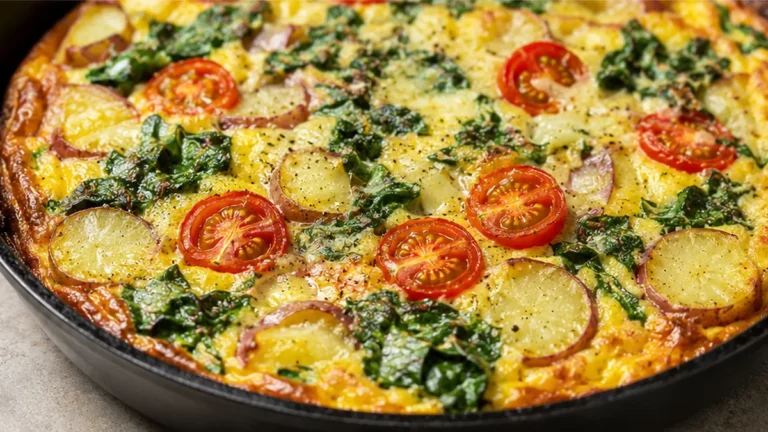
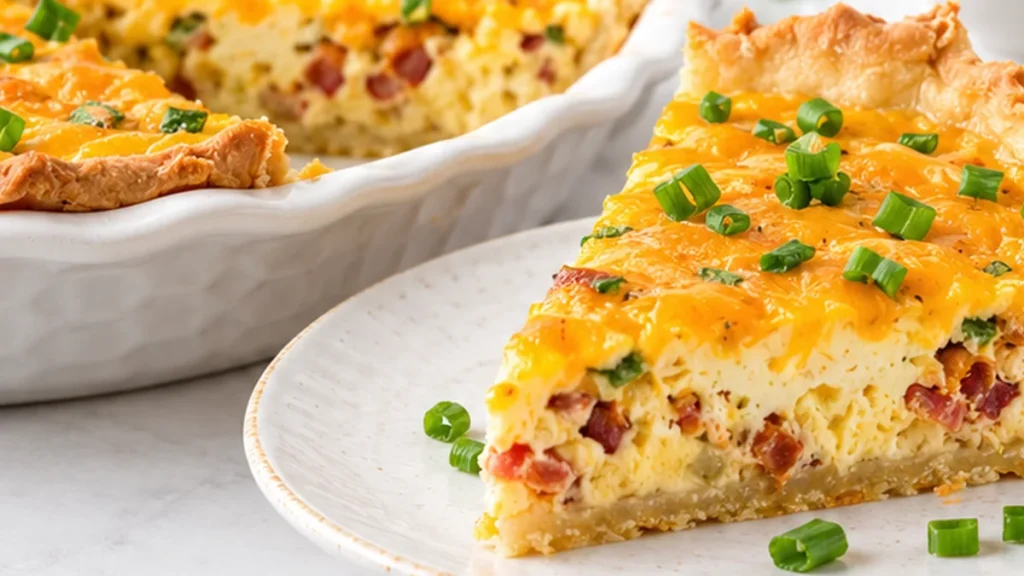
Gluten free quiche recipe offers a wonderful combination of spinach and cheese for a hearty meal. Ideal for brunch or dinner, it’s simple to make and packed with flavor.
Key takeaways
- Use eggs as the primary binding agent for structure.
- Pre-cook vegetables to avoid excess moisture.
- Experiment with different cheeses for varied flavors.
- Maintain proper fat and flour ratios for a flaky crust.

Gluten-Free Quiche Recipe
Ingredients
Instructions
- Preheat oven to 350°F (177°C).
- In a medium-sized bowl, whisk the eggs.
- Add the half-and-half, salt, and pepper to the eggs and mix until fully combined. Set aside.
- Add the cooked chopped bacon to the bottom of the prepared gluten-free pie crust. Top with 1 cup of cheddar cheese and sprinkle green onions over the cheese layer.
- Pour the egg mixture over the filling layers.
- Sprinkle 1/2 cup of cheese over the top of the quiche.
- Bake for 20 minutes, then cover loosely with aluminum foil and bake for another 20-30 minutes until a knife inserted in the center comes out clean.
- Let the quiche cool for 5 to 10 minutes before slicing and serving.
Understanding the Role of Eggs in a Gluten-Free Quiche
Eggs are the cornerstone of any quiche, providing structure and richness. In a gluten-free quiche, the eggs act as a binding agent, replacing the gluten typically found in traditional crusts. For optimal texture, use large eggs (approximately 50 grams each) and consider a ratio of 3 eggs for every 250 ml of liquid. This ensures a firm but tender quiche that holds its shape when sliced.
Common Pitfalls and How to Avoid Them
When making a gluten-free quiche, several issues can arise:
- Watery Filling: This can occur if vegetables are not pre-cooked to remove excess moisture. Sautéing or roasting vegetables beforehand helps concentrate their flavors and prevents a soggy base.
- Crust Crumbling: A gluten-free crust may be more fragile. Ensure you use a good binding agent, such as ground flaxseed or chia seeds mixed with water, to improve its integrity.
- Overcooking: Quiche can easily become rubbery if baked too long. Aim for an internal temperature of 70°C (160°F) for perfectly cooked eggs.
Ingredient Swaps for Flavor and Texture
Experimenting with different ingredients can enhance your gluten-free quiche:
- Cheese Variations: Swap cheddar for Gruyère for a nuttier flavor. Expect a creamier texture with softer cheeses like goat cheese.
- Vegetable Choices: Instead of spinach, try kale or roasted bell peppers for a different flavor profile. Each vegetable brings its unique moisture content and taste.
- Milk Options: Substitute dairy milk with almond or oat milk for a dairy-free option. Note that this may slightly alter the creaminess.
The Science Behind a Perfect Crust
A gluten-free crust requires careful attention to moisture and fat content. Typically, a mix of gluten-free flours (like almond flour and tapioca starch) should be used at a ratio of 2:1. The fat, such as butter or coconut oil, should be cold to create a flaky texture. Bake the crust at 180°C (350°F) for about 15 minutes before adding the filling to ensure it doesn’t become soggy.
How to Prepare Your Quiche in Advance Without Sacrificing Quality
One of the main advantages of a gluten-free quiche is its versatility for meal prep. You can prepare the filling and crust separately in advance. For the crust, you can make it a day or two ahead, wrap it tightly in plastic wrap, and refrigerate it. This allows the flavors to meld and makes it easier to handle. For the filling, consider cooking your vegetables and proteins in advance, then storing them in the refrigerator for up to three days. When you’re ready to bake, simply combine your prepped ingredients, pour the egg mixture over them, and bake as directed. This method not only saves time but also enhances the flavors of your quiche.
Scaling Your Quiche Recipe for Different Occasions
Scaling a gluten-free quiche recipe can be straightforward, but it requires attention to ratios and baking times. If you want to make a larger quiche, increase all ingredients proportionally. For example, if doubling the recipe, use twice the amount of eggs, cream, and filling ingredients. However, be cautious with baking time; a larger quiche may require additional time in the oven. Start checking for doneness a few minutes earlier than expected to avoid overcooking. Conversely, if you need a smaller quiche, you can use a smaller pie dish or muffin tins for individual servings, adjusting cooking times accordingly. This flexibility allows you to cater to various gatherings, from brunches to intimate dinners.
Choosing the Right Equipment for Your Quiche
The equipment you use can significantly impact the outcome of your gluten-free quiche. A glass or ceramic pie dish is often recommended for even cooking and browning. If you opt for a metal pan, consider using a light-colored one to prevent over-browning. Additionally, using a food processor to blend your crust ingredients can save time and ensure a uniform texture. For the filling, a whisk or immersion blender can help achieve a smooth egg mixture. Always make sure your equipment is compatible with gluten-free cooking practices to avoid cross-contamination.
Seasonal Ingredients and Their Impact on Your Quiche
Utilizing seasonal ingredients can elevate your gluten-free quiche and enhance its flavor profile. In spring, consider adding asparagus, peas, or fresh herbs for a light and vibrant dish. Summer allows for ripe tomatoes, zucchini, and bell peppers, which add color and sweetness. Fall is perfect for incorporating roasted root vegetables like sweet potatoes or squash, while winter can highlight hearty greens such as kale or Swiss chard. Each season brings unique flavors and textures, so adjust your fillings accordingly. This not only makes your quiche more appealing but also takes advantage of ingredients at their peak freshness.
Understanding the Importance of Resting Time for Your Quiche
Resting time is crucial for achieving the perfect gluten-free quiche. After baking, allowing the quiche to cool for at least 15 minutes before slicing helps the filling to set properly. This resting period allows the proteins in the eggs to stabilize, resulting in a firmer texture that holds together better when cut. If you skip this step, the quiche may be too runny and difficult to serve. Additionally, resting enhances the flavor as the ingredients meld together, making each bite more harmonious.
How to Scale Your Gluten-Free Quiche for Different Occasions
Scaling your gluten-free quiche recipe can be straightforward if you understand the ratios involved. For larger gatherings, consider using a deeper dish or multiple smaller quiches. Generally, a standard recipe serves about 6-8 people in a 23 cm (9-inch) pie dish. If you want to serve 12, simply double the ingredients and use a larger dish or two smaller ones. Keep in mind that baking time may vary; larger quiches may require an additional 10-15 minutes in the oven. Always check for doneness by inserting a knife into the center; it should come out clean when fully cooked.
Choosing the Right Ingredients for Seasonal Variations
Seasonal ingredients can dramatically influence the flavor and texture of your gluten-free quiche. For instance, in spring, fresh asparagus and peas can add a vibrant touch, while in autumn, roasted squash and sage offer warmth and depth. When selecting vegetables, prioritize those that are in season for the best flavor and nutritional value. Additionally, consider the quality of your eggs, as farm-fresh eggs often yield richer flavors and a more vibrant color in your quiche. Adjust your seasoning accordingly, as seasonal vegetables may require more or less salt and herbs to enhance their natural flavors.
Understanding the Impact of Ingredient Quality on Flavor and Texture
The quality of ingredients significantly affects the overall flavor and texture of your gluten-free quiche. Fresh, high-quality eggs contribute to a richer taste and creamier texture, while stale or older eggs can lead to a rubbery consistency. Similarly, using fresh vegetables enhances the flavor profile, whereas frozen or canned vegetables may introduce excess moisture and alter the quiche’s texture. For cheeses, opt for artisanal or high-quality varieties to achieve a more complex flavor. Aged cheeses, like Gruyère or aged cheddar, can provide a depth that younger cheeses may lack. Additionally, herbs and spices should be fresh for maximum flavor impact. Consider using herbs from your garden or local farmers’ market to elevate your dish.
Optimal Serving Techniques for Maximum Enjoyment
Serving your gluten-free quiche at the right temperature and with appropriate accompaniments can enhance the dining experience. Quiche is best served warm, ideally at around 60°C (140°F), as this temperature allows the flavors to meld beautifully while ensuring the filling remains creamy. Pairing your quiche with a light salad, such as a simple arugula salad dressed with lemon vinaigrette, can offer a refreshing contrast to the richness of the quiche. Additionally, consider serving it alongside a glass of crisp white wine or sparkling water with a slice of lemon to cleanse the palate. For those who prefer a heartier meal, serving the quiche with roasted vegetables or a side of sautéed greens can create a balanced plate.
Pro tips
Pro tip: Best served immediately while hot!
Frequently asked questions
Can I use egg substitutes in this gluten-free quiche?
Yes, you can use substitutes like flaxseed meal mixed with water or commercial egg replacers. However, this may change the texture slightly, so adjustments to baking time may be necessary.
How do I store leftovers of the gluten-free quiche?
Leftover quiche can be stored in an airtight container in the refrigerator for up to 3 days. Reheat in the oven to maintain its texture, avoiding the microwave if possible.
What are the best vegetables to use in a gluten-free quiche?
Popular choices include spinach, bell peppers, onions, and mushrooms. Ensure they are pre-cooked to reduce moisture and enhance flavor.
How can I tell when my quiche is done?
A quiche is done when the center is set and reaches an internal temperature of 70°C (160°F). The edges should be slightly puffed, and a knife inserted should come out clean.
More from Gluten-Free Breakfast & Brunch →