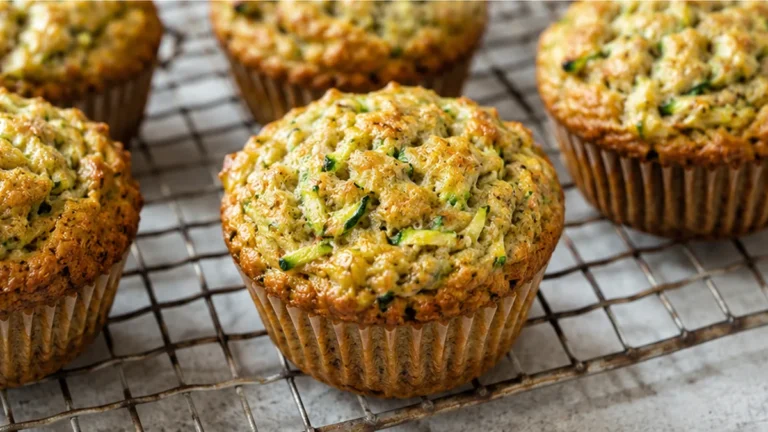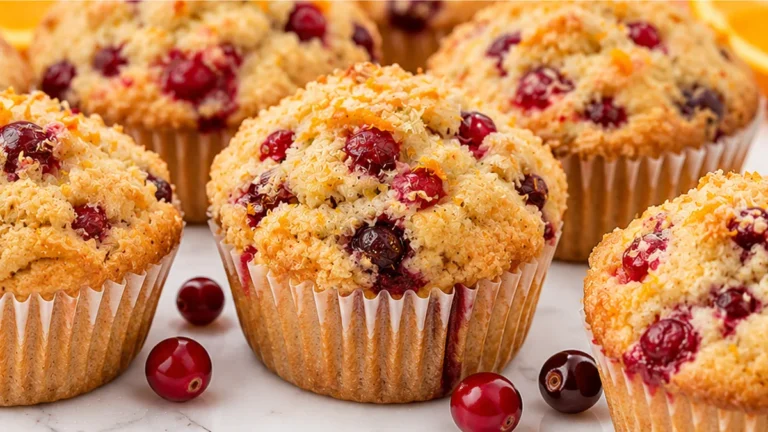

These gluten free strawberry muffins are a simple and healthy treat. Made with almond flour, they provide a moist texture and rich flavor.
Key takeaways
- Choose the right gluten-free flour for desired texture.
- Avoid overmixing to prevent dense muffins.
- Adjust sugar levels based on sweetness preference.
- Enhance flavor with add-ins like vanilla or lemon zest.

Gluten-Free Strawberry Muffins
Ingredients
Instructions
- In a small bowl, whisk together the gluten-free flour, baking powder, xanthan gum, baking soda, and salt.
- In a large bowl, whisk together sugar, sour cream, melted butter, eggs, and vanilla extract until fully combined.
- Pour the dry ingredients into the wet ingredients and stir just until mixed.
- Gently stir the chopped strawberries into the muffin batter.
- Line a muffin tin with paper liners and scoop the batter evenly into each liner.
- Let the muffin batter rest for 15 minutes before baking.
- Preheat the oven to 350°F (180°C).
- Bake for 22-24 minutes until lightly browned.
Understanding the Role of Gluten-Free Flours in Muffin Texture
When making gluten-free strawberry muffins, the choice of flour is crucial for achieving the desired texture. Gluten-free flours, such as almond flour, coconut flour, or a gluten-free all-purpose blend, behave differently than traditional wheat flour. For instance, almond flour adds moisture and a nutty flavor, while coconut flour absorbs more liquid, requiring adjustments in the recipe. A common ratio for substituting wheat flour with gluten-free flour is 1:1, but it’s essential to consider the specific flour blend used to maintain the muffin’s structure and moisture.
Common Issues with Muffin Density and How to Avoid Them
Dense muffins can result from overmixing the batter or using too much flour. When making gluten-free muffins, it’s important to mix just until the ingredients are combined to avoid developing a gummy texture. Additionally, using a kitchen scale to measure flour can help prevent adding too much, as gluten-free flours can vary significantly in weight. Aim for a batter consistency that is thick yet pourable, which typically means it should drop from a spoon but hold its shape.
Adjusting Sweetness for Different Palates
While strawberries provide natural sweetness, the overall sugar content in gluten-free strawberry muffins can be adjusted based on personal preference. If you prefer a less sweet muffin, consider reducing the sugar by up to 25%. Alternatively, using ripe bananas or applesauce can enhance sweetness without adding extra sugar. Keep in mind that reducing sugar may affect the muffin’s moisture, so you might need to add a bit more liquid to the batter.
Enhancing Flavor with Add-ins and Toppings
To elevate the flavor profile of gluten-free strawberry muffins, consider incorporating additional ingredients such as lemon zest, vanilla extract, or spices like cinnamon. These add-ins can complement the strawberries and create a more complex taste. Furthermore, topping the muffins with a sprinkle of coarse sugar before baking can add a delightful crunch and enhance the visual appeal. Experimenting with different combinations can lead to unique variations that suit your taste.
Understanding the Impact of Ingredient Quality on Muffin Success
The quality of the ingredients used in gluten-free strawberry muffins directly affects the final product. Fresh strawberries are crucial; overripe or mushy berries can lead to a soggy batter. Additionally, using high-quality gluten-free flour blends can enhance texture and flavor. Look for blends that include xanthan gum or guar gum, which help mimic the elasticity of gluten. For best results, consider sourcing organic ingredients, as they tend to have more robust flavors and better nutritional profiles.
Scaling the Recipe Without Compromising Texture
When scaling the gluten-free strawberry muffins recipe, it’s essential to maintain the ratios of wet to dry ingredients to avoid altering the texture. For instance, if doubling the recipe, use a scale to measure ingredients accurately, particularly the flour, as gluten-free flours can vary significantly in density. Keep the baking time in mind; larger batches may require additional time in the oven. Always check for doneness by inserting a toothpick into the center; it should come out clean or with a few crumbs attached.
Make-Ahead Strategies for Busy Schedules
Preparing gluten-free strawberry muffins ahead of time can save you considerable effort during busy mornings. You can prepare the batter the night before and store it in the refrigerator, allowing the flavors to meld overnight. Alternatively, bake the muffins and store them in an airtight container at room temperature for up to two days. For longer storage, consider freezing the muffins. Wrap each muffin individually in plastic wrap and place them in a freezer-safe bag. They can be thawed at room temperature or warmed in the oven for a fresh-out-of-the-oven taste.
Serving Suggestions to Elevate Your Muffins
While gluten-free strawberry muffins are delightful on their own, serving them with complementary items can enhance the overall experience. Consider pairing them with a dollop of Greek yogurt or a smear of cream cheese for added creaminess. A drizzle of honey or maple syrup can also elevate the sweetness. For a seasonal twist, serve them alongside a berry compote or a scoop of vanilla ice cream during warmer months. These pairings not only enhance flavors but also add a visual appeal to your serving presentation.
Understanding the Role of Temperature in Baking Gluten-Free Muffins
Temperature plays a crucial role in the baking process, particularly for gluten-free strawberry muffins. The ideal oven temperature for baking these muffins is typically around 190°C (375°F). This allows for proper rising and browning without drying out the muffins. If the temperature is too low, the muffins may not rise adequately, leading to a dense texture. Conversely, if the temperature is too high, the muffins can brown too quickly on the outside while remaining raw in the center. It’s also important to allow your ingredients, especially eggs and dairy, to reach room temperature before mixing. This helps create a more uniform batter and ensures even baking.
Adjusting Baking Time for Variations in Muffin Size
The size of the muffins can significantly impact baking time. Standard muffin tins typically take about 18-20 minutes to bake gluten-free strawberry muffins, but if you opt for mini muffins, the baking time can reduce to about 12-15 minutes. On the other hand, if you choose to make jumbo muffins, you may need to extend the baking time to 25-30 minutes. To ensure doneness, use a toothpick inserted into the center; it should come out clean or with a few moist crumbs attached. Adjusting the baking time based on muffin size prevents undercooked or overcooked results.
Choosing the Right Equipment for Consistent Results
The equipment you use can influence the outcome of your gluten-free strawberry muffins. Non-stick muffin pans are recommended to prevent sticking, but be cautious; some non-stick coatings can affect the baking process. Silicone muffin molds can provide an easy release but may require slightly different baking times and temperatures. Additionally, using an oven thermometer can help ensure your oven is at the correct temperature, as many home ovens can be off by several degrees. Consistent equipment helps achieve uniform results in texture and flavor.
Seasonal Variations and Ingredient Quality Impacting Muffin Flavor
The flavor profile of gluten-free strawberry muffins can change with the seasons and the quality of ingredients used. Fresh strawberries in season will provide a sweeter, more vibrant flavor compared to out-of-season berries, which may be bland. Moreover, using high-quality gluten-free flours, such as almond or coconut flour, can enhance the overall taste and texture of the muffins. When baking with seasonal ingredients, consider adjusting the sugar content to balance flavors. For instance, ripe summer strawberries may require less sugar than those picked early in the season.
Understanding the Effects of Ingredient Quality on Muffin Texture
The quality of ingredients used in gluten-free strawberry muffins significantly impacts their texture and flavor. For instance, using fresh, ripe strawberries enhances sweetness and moisture, while overripe or frozen strawberries can lead to a mushy texture. The choice of gluten-free flour is equally crucial; blends containing a mix of almond flour, coconut flour, and tapioca starch often yield a lighter, fluffier muffin. In contrast, using a single type of flour may result in denser muffins. Additionally, the freshness of baking powder and baking soda is vital. These leavening agents lose effectiveness over time, which can lead to muffins that do not rise properly. Ideally, baking powder should be replaced every six months for optimal performance. The ratio of wet to dry ingredients also plays a role; a well-balanced mix ensures the muffins are moist without being overly wet. For instance, a typical ratio is 1 part liquid to 1.5 parts dry ingredients. Monitoring these factors can significantly improve the final product.
Choosing the Right Equipment for Optimal Baking Results
The equipment you use can greatly affect the outcome of gluten-free strawberry muffins. For instance, using a light-colored, non-stick muffin tin can help prevent over-browning, which is common with darker pans. Silicone molds are also an excellent choice, as they provide even heat distribution and make it easier to remove the muffins without sticking. When mixing the ingredients, a stand mixer or handheld mixer can ensure that the batter is well combined, which is essential for achieving a uniform texture. Additionally, using an oven thermometer can help confirm that your oven is at the correct temperature, as many ovens can be off by 10-20 degrees Celsius. This discrepancy can lead to underbaked or overbaked muffins. Lastly, using an ice cream scoop for portioning the batter can help achieve consistent muffin sizes, which ensures even baking. This attention to detail in equipment choice will lead to more reliable and delicious results.
Pro tips
Pro tip: Best served immediately while hot!
Frequently asked questions
Can I use frozen strawberries instead of fresh?
Yes, you can use frozen strawberries in gluten-free strawberry muffins. Just ensure to thaw and drain them before adding to the batter to prevent excess moisture, which can affect the muffin’s texture.
How do I store leftover muffins?
Store leftover gluten-free strawberry muffins in an airtight container at room temperature for up to three days. For longer storage, freeze them in a single layer and then transfer to a freezer bag for up to three months.
What can I substitute for eggs in this recipe?
If you need an egg substitute, consider using flaxseed meal or chia seeds mixed with water. One egg can be replaced with 1 tablespoon of flaxseed meal or chia seeds combined with 2.5 tablespoons of water, allowing it to sit for a few minutes to thicken.
How can I make these muffins more nutritious?
To increase the nutritional value of gluten-free strawberry muffins, consider adding ingredients like chia seeds, flaxseeds, or nuts. These additions provide healthy fats, fiber, and protein, making the muffins more satisfying and wholesome.
More from Gluten-Free Bread & Baking →