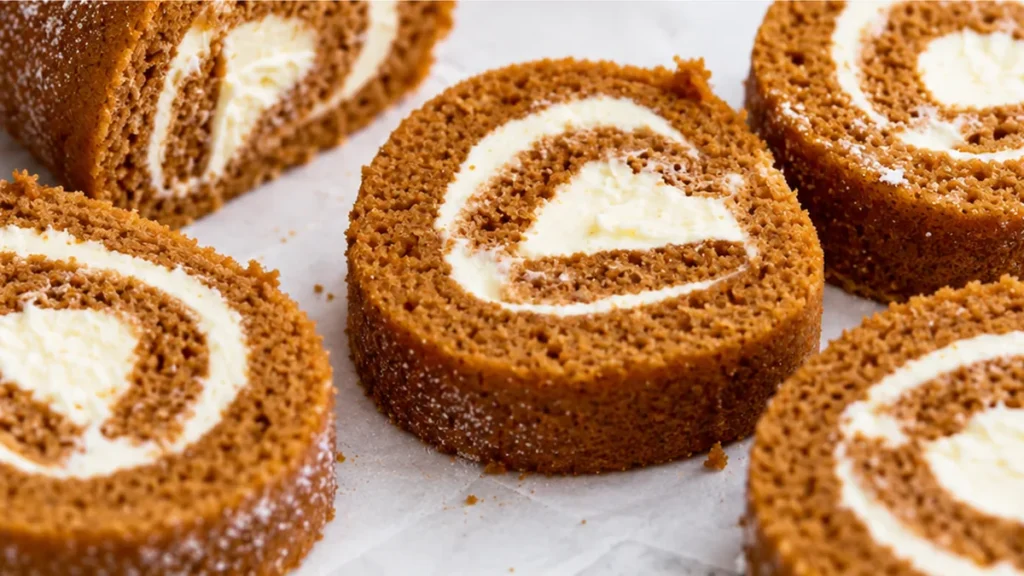
This gluten free pumpkin roll recipe combines pumpkin and spices with a creamy filling. It’s a simple yet impressive dessert for any occasion.
Key takeaways
- Use fresh pumpkin puree for the best flavor and moisture.
- Choose a gluten-free flour blend with xanthan gum for better texture.
- Roll the cake while warm to prevent cracking.
- Experiment with ingredient swaps for unique flavor profiles.
Gluten-Free Pumpkin Roll Recipe
Ingredients
Instructions
- Preheat your oven to 350°F (175°C) and line a baking sheet with parchment paper.
- In a large mixing bowl, whisk together the eggs and sugar until light and fluffy.
- Stir in the pumpkin puree, followed by the baking powder, baking soda, pumpkin pie spice, cinnamon, salt, and vanilla extract.
- Gradually add the gluten-free flour, mixing until well combined.
- Spread the batter evenly on the prepared baking sheet and bake for about 15 minutes or until a toothpick comes out clean.
- Once baked, carefully remove the pumpkin roll and let it cool before rolling it with the parchment paper for 20 minutes.
The Importance of Pumpkin in a Gluten-Free Roll
Pumpkin is not only a seasonal favorite but also a key ingredient in gluten-free baking. It adds moisture, sweetness, and a rich flavor profile that enhances the overall taste of the roll. The natural sugars in pumpkin caramelize during baking, creating a beautifully browned exterior while keeping the interior tender. Additionally, pumpkin puree contributes to the structure of gluten-free baked goods, helping to bind the ingredients together in the absence of gluten.
Understanding Gluten-Free Flour Blends
When making a gluten-free pumpkin roll, the choice of flour blend is crucial. A well-balanced blend typically contains a combination of rice flour, potato starch, and tapioca flour. This mix mimics the properties of wheat flour, providing both structure and elasticity. For optimal results, a blend with xanthan gum or guar gum is recommended, as these ingredients help to replicate the texture that gluten would normally provide. The right blend can significantly affect the final texture of your pumpkin roll, making it light and fluffy rather than dense.
Common Challenges and Solutions
- Issue: The roll cracks when rolling it up.
Solution: Ensure the cake is not overbaked; a slight underbake helps maintain moisture. Also, roll the cake while it is still warm to prevent cracking. - Issue: The filling leaks out.
Solution: Allow the cake to cool completely before adding the filling. A thicker filling can also help keep it contained. - Issue: The roll is too dry.
Solution: Adjust the baking time and ensure you are using enough pumpkin puree. Adding a bit of oil can also enhance moisture.
Ingredient Swaps for a Unique Twist
- Maple Syrup for Sugar: Using maple syrup instead of granulated sugar adds a deeper flavor but may require reducing the liquid in the recipe slightly.
- Coconut Cream for Cream Cheese: For a dairy-free option, coconut cream can replace cream cheese, resulting in a lighter filling with a hint of coconut flavor.
- Almond Flour for Rice Flour: Substituting almond flour will add a nutty flavor and increase the fat content, making the roll richer but also denser.
Unique Characteristics of a Pumpkin Roll
Unlike many other baked goods, a pumpkin roll features a unique combination of flavors and textures. The moistness from the pumpkin puree, combined with the lightness of the gluten-free flour, creates a delightful contrast. The roll’s ability to be filled and rolled adds an element of visual appeal and makes it a showstopper for gatherings. Additionally, the spices used, such as cinnamon and nutmeg, evoke the warmth of autumn, making this dessert particularly special during the fall season.
Understanding the Make-Ahead Potential of Pumpkin Rolls
One of the appealing aspects of a gluten-free pumpkin roll is its make-ahead potential. You can prepare the cake layer and the filling separately, allowing for easy assembly closer to serving time. The cake can be baked, cooled, and wrapped tightly in plastic wrap, stored in the refrigerator for up to three days, or frozen for up to a month. When ready to serve, simply thaw the cake, spread the filling, and roll it up. This flexibility makes it an excellent choice for holiday gatherings or special occasions where time is limited.
Scaling the Recipe for Larger Gatherings
If you’re planning a larger gathering, scaling your gluten-free pumpkin roll recipe is straightforward. The ingredients can be doubled or tripled without compromising the texture or flavor. However, it’s essential to adjust the baking time accordingly. A larger batch may require a longer baking time, so keep an eye on the cake to ensure it doesn’t overbake. Additionally, consider using a larger baking sheet or multiple sheets to accommodate the increased batter, ensuring even cooking across all layers.
Equipment Considerations for Perfect Results
The equipment you use can significantly impact the outcome of your gluten-free pumpkin roll. A non-stick baking mat or parchment paper is crucial to prevent sticking, especially with gluten-free batters that can be more delicate. Ensure your mixer is powerful enough to adequately blend the ingredients, as a well-mixed batter contributes to a light texture. Also, consider using a jelly roll pan, as its shallow sides help the cake bake evenly, allowing for easy rolling once cooled.
Seasonal Variations and Ingredient Quality
Seasonal variations can greatly influence the flavor and texture of your pumpkin roll. Fresh pumpkin puree made from roasted pumpkins can elevate the taste compared to canned options, as it tends to be more flavorful and moist. Additionally, spices like cinnamon and nutmeg can vary in potency depending on freshness. Using high-quality, fresh spices will enhance the overall flavor profile of your roll. As pumpkin season peaks in the fall, take advantage of local produce for the best results.
Understanding the Role of Pumpkin in Texture and Flavor
The pumpkin in a gluten-free pumpkin roll serves not only as a flavor enhancer but also plays a crucial role in achieving the desired texture. Pumpkin puree adds moisture, which is essential when working with gluten-free flours that can often lead to dryness. The moisture content of pumpkin puree is approximately 92% water, which helps to create a tender crumb. Additionally, the natural sugars in pumpkin caramelize during baking, contributing to a rich, sweet flavor profile. This is particularly important because gluten-free baked goods can sometimes lack the depth of flavor found in their gluten-containing counterparts. To ensure optimal results, consider using high-quality, pure pumpkin puree without additives, as this can significantly affect the overall taste and texture of your pumpkin roll.
How to Properly Roll and Store Your Pumpkin Roll
One of the most critical steps in preparing a pumpkin roll is how to roll it after baking. To prevent cracking, it’s essential to roll the cake while it’s still warm. Start by placing a clean kitchen towel on a flat surface and dusting it with powdered sugar. Once the cake is out of the oven, carefully invert it onto the towel. Gently peel away the parchment paper and roll the cake tightly with the towel, starting from one of the short ends. Allow it to cool completely in this rolled position. For storage, wrap the cooled pumpkin roll tightly in plastic wrap and refrigerate. It can be stored for up to a week. For longer storage, consider freezing the rolled cake. Wrap it in plastic wrap, then in aluminum foil to prevent freezer burn. When ready to serve, thaw it in the refrigerator overnight before unrolling and filling.
Adapting the Recipe for Different Dietary Needs
While this gluten-free pumpkin roll recipe caters to those avoiding gluten, it can also be adapted for other dietary preferences. For instance, if you’re looking to reduce sugar, you can substitute granulated sugar with a natural sweetener like maple syrup or a sugar substitute suitable for baking. However, keep in mind that this may alter the texture slightly, as sugar contributes to structure and moisture. Additionally, those who are dairy-free can replace cream cheese with a dairy-free alternative or use a cashew cream, which can provide a similar creamy texture. When making these substitutions, it’s essential to adjust the quantities and possibly the baking time, as different ingredients can behave uniquely in the baking process. Always experiment in small batches to find the perfect balance that meets your dietary needs without compromising the delightful taste of this pumpkin roll.
How to Properly Store and Reheat Your Pumpkin Roll
Proper storage of your gluten-free pumpkin roll is essential for maintaining its freshness and flavor. After baking, allow the roll to cool completely at room temperature. Once cooled, wrap it tightly in plastic wrap or aluminum foil to prevent moisture loss and freezer burn. If stored in the refrigerator, it can last up to a week. For longer storage, consider freezing the roll. When freezing, wrap it in plastic wrap and then place it in an airtight container or a freezer bag. It can be stored in the freezer for up to three months. To reheat, remove the roll from the freezer and let it thaw in the refrigerator overnight. Once thawed, you can warm it in the oven at a low temperature (about 150°C or 300°F) for about 10-15 minutes, or until warmed through. This method helps to restore moisture and softness.
Understanding the Role of Pumpkin and Spices in Flavor Development
The pumpkin in your gluten-free pumpkin roll not only provides moisture but also contributes to the overall flavor profile of the dessert. The natural sugars in pumpkin caramelize during baking, enhancing sweetness and depth. Additionally, the spices commonly used—such as cinnamon, nutmeg, and ginger—play a significant role in flavor development. These spices are known for their ability to complement the earthy notes of pumpkin and create a warm, inviting taste. The balance of these spices can be adjusted based on personal preference, but it is essential to maintain a harmonious blend to avoid overpowering the pumpkin. For a unique twist, consider experimenting with different spice blends or adding vanilla extract, which can elevate the flavor complexity.
Pro tips
Pro tip: Best served immediately while hot!
Frequently asked questions
Can I use fresh pumpkin instead of canned?
Yes, fresh pumpkin can be used instead of canned. Just make sure to cook and puree it until smooth. This can enhance the flavor and freshness of your pumpkin roll.
How do I store leftover pumpkin roll?
Store leftover pumpkin roll in an airtight container in the refrigerator for up to five days. You can also freeze it for longer storage, wrapping it tightly in plastic wrap.
What can I use instead of cream cheese for the filling?
For a dairy-free option, you can use coconut cream or a dairy-free cream cheese alternative. This will give you a similar texture while accommodating dietary restrictions.
Why does my pumpkin roll taste bland?
If your pumpkin roll tastes bland, consider adding more spices like cinnamon, nutmeg, or ginger. Adjusting the sugar or using flavored extracts can also enhance the overall taste.
More from Gluten-Free Desserts & Sweets →