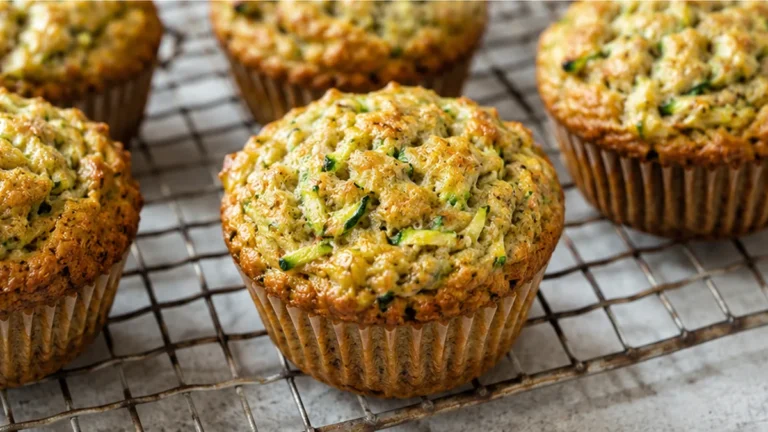
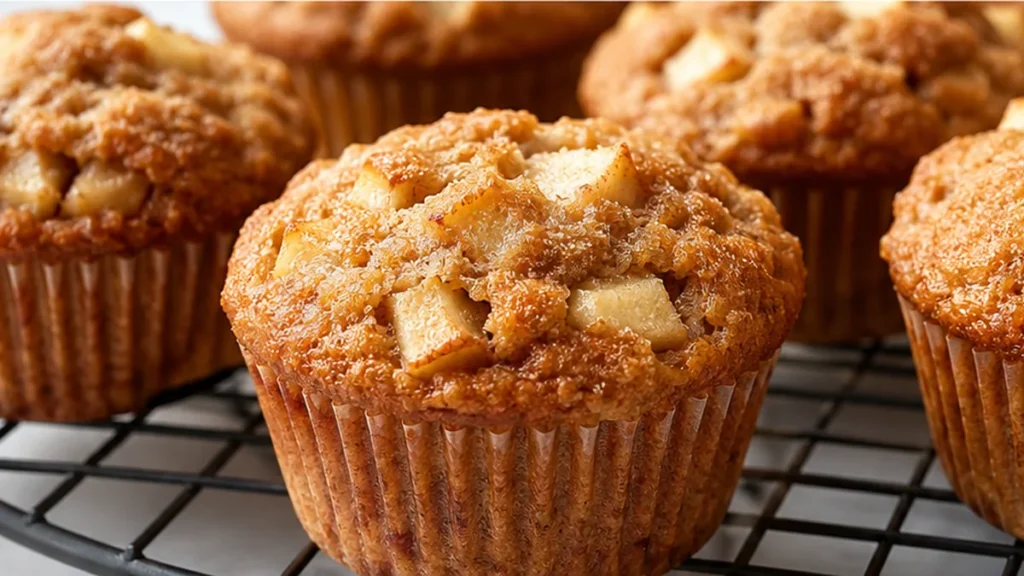
Creating truly moist and flavorful gluten-free muffins can be a challenge, but the secret to these gluten-free muffins lies in the careful balance of a quality gluten-free flour blend and applesauce for moisture. This recipe ensures a tender crumb and rich, spiced apple flavor every time, making it a perfect treat for anyone avoiding gluten. These gluten-free muffins are designed to be simple, using pantry staples while delivering exceptional taste and texture. Whether you’re new to gluten-free baking or a seasoned pro, this recipe for gluten-free muffins will quickly become a favorite.
Key takeaways
- Moisture is key: Use oil and applesauce to prevent dryness.
- Accurate measurements: Especially for gluten-free flour, to avoid a dense texture.
- Fresh leaveners: Ensure baking powder and soda are active for proper rise.
- Gentle mixing: Combine wet and dry ingredients until just incorporated to maintain tenderness.
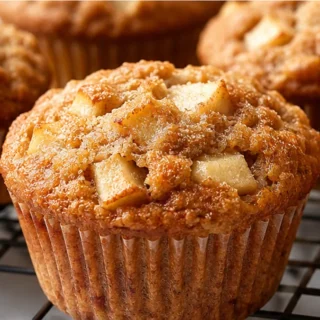
Fluffy Gluten-Free Apple Muffins! So moist!
Ingredients
- 1 large egg, room temperature
- 2/3 cup sugar
- 1/3 cup oil of choice
- 1/2 cup applesauce
- 1 cup all-purpose gluten-free flour blend
- 1/2 teaspoon gluten-free baking powder
- 1/2 teaspoon baking soda
- 1 teaspoon cinnamon
- 1/2 teaspoon ground nutmeg
- 1/4 teaspoon ground cloves
Instructions
- Preheat oven to 350°F (180°C). Line a cupcake pan with 10 – 12 paper liners; set aside.
- In a large mixing bowl, whisk egg, sugar, oil, applesauce until combined.
- Add in the flour, baking powder, and baking soda, cinnamon, nutmeg and cloves and continue to whisk until combined.
- Fold in shredded apple.
- Scoop batter (about 1/4 cup) into your paper liners.
- Bake for 22-27 minutes or until the center is set.
- Remove from the oven and cool completely before serving.
- Store in an airtight container in the refrigerator for up to 4 days.
Notes
The Science Behind the Fluffiness
The key to achieving remarkably moist and fluffy gluten-free muffins lies in the careful balance of ingredients and their interaction during baking. Unlike traditional wheat flour, gluten-free flour blends lack the gluten protein network that provides structure and elasticity. This recipe compensates by utilizing a combination of ingredients that promote moisture retention and a tender crumb. The oil and applesauce work in tandem to provide essential fats and moisture, preventing the muffins from becoming dry, a common pitfall with gluten-free baking. Applesauce, in particular, adds natural sweetness and moisture, contributing to a tender texture. The leavening agents, baking powder and baking soda, are crucial for lift. Baking soda, an alkali, reacts with acidic components (though not explicitly present in high amounts here, it still aids in browning and leavening) and heat, while baking powder provides a double action of leavening when wet and when heated. The spices, cinnamon, nutmeg, and cloves, not only add warmth and depth of flavor but also contribute to the overall moisture by absorbing some of the liquid. Ensuring the egg is at room temperature helps it emulsify better with the wet ingredients, creating a smoother batter and a more uniform crumb structure. Proper mixing is also vital; overmixing can still toughen gluten-free baked goods, so a gentle fold is recommended once the dry ingredients are incorporated.
Troubleshooting
- Problem: Muffins are dry and crumbly.
Fix: Ensure you measured the flour blend accurately, as too much flour is a common cause. Also, check your baking time; overbaking is a frequent culprit for dryness. Consider adding an extra tablespoon of applesauce or oil to the batter next time. - Problem: Muffins have a gummy or dense texture.
Fix: This can occur if the gluten-free flour blend is not well-balanced or if the leavening agents are old. Ensure your baking powder and baking soda are fresh. Avoid overmixing the batter after adding the dry ingredients. - Problem: Muffins didn’t rise well.
Fix: Check the expiration dates on your baking powder and baking soda; they lose potency over time. Ensure your oven temperature is accurate; an oven that is too cool will not activate the leavening agents effectively. - Problem: Muffins have a gritty texture.
Fix: This is often due to the type of gluten-free flour blend used. Some blends contain coarser grains. Whisking the dry ingredients thoroughly before adding them to the wet ingredients can help distribute them more evenly.
Substitutions
- Oil: Melted unsalted butter or a neutral-flavored oil like canola or grapeseed oil can be used. The flavor profile might change slightly.
- Applesauce: Plain Greek yogurt or sour cream can be substituted 1:1. This will add a slight tang and extra moisture, resulting in a denser but still moist muffin.
- Sugar: Coconut sugar or brown sugar can be used as a 1:1 substitute for granulated sugar. This will alter the flavor and color, making the muffins slightly darker and richer.
- Spices: A pre-made apple pie spice blend can replace the individual cinnamon, nutmeg, and cloves. Use approximately 1.75 teaspoons of apple pie spice in total.
Pro tips
- Don’t overmix the batter: Mix just until the ingredients are combined to keep the muffins tender and prevent a tough texture.
- Use room temperature egg: A room temperature egg incorporates more evenly into the batter, leading to a smoother consistency.
- Packing the flour too tightly makes gluten-free muffins dry. Always spoon and level your gluten-free flour blend for accuracy.
- Store leftover muffins in an airtight container at room temperature for up to 3 days, or in the refrigerator for up to 5 days. For longer storage, freeze for up to 3 months and reheat gently.
Enjoy these delightful gluten-free muffins warm from the oven or packed for a convenient snack. Don’t hesitate to experiment with other fruits or spices to make them your own!
Frequently asked questions
Why are my gluten-free muffins dense?
Dense gluten-free muffins often result from an inaccurate flour measurement, an underperforming leavening agent (baking powder/soda), or overmixing the batter. Ensure your gluten-free flour blend is fresh and properly measured, and mix gently until just combined.
Can I use a different gluten-free flour blend?
Yes, you can substitute other all-purpose gluten-free flour blends. However, results may vary slightly as different blends have varying ratios of starches and flours, which can affect texture and moisture absorption.
How can I make these muffins even moister?
To increase moisture, you can add an extra tablespoon of applesauce or oil to the batter. Ensure you do not overbake the muffins, as this is a primary cause of dryness, even with added moisture.
What is the best way to store these gluten-free muffins?
Store cooled muffins in an airtight container at room temperature for up to 3 days. For longer storage, wrap them individually and freeze for up to 2 months. Reheat gently in a microwave or oven.
More from Gluten-Free Breakfast & Brunch →