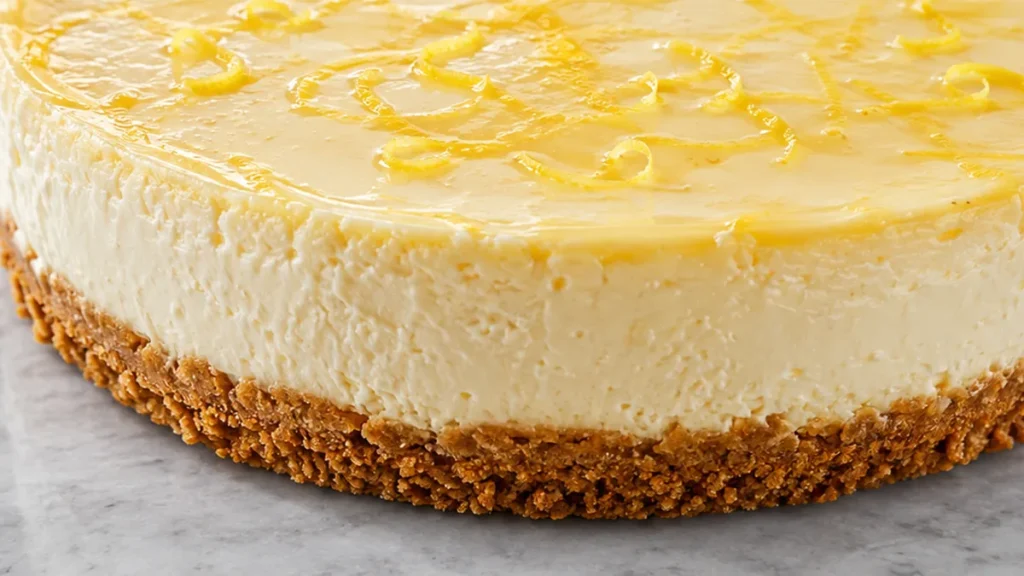
Gluten-free cheesecake can be truly exceptional when you ensure your ingredients are at room temperature and avoid overmixing the batter. This simple step guarantees a smooth, crack-free, and incredibly creamy texture. This gluten-free cheesecake recipe is designed to deliver that classic rich flavor and velvety consistency without any compromise. Many gluten-free desserts lack the ‘wow’ factor, but this cheesecake stands out. It’s perfect for those with dietary restrictions or anyone simply looking for a decadent treat that tastes just like the traditional version, if not better.
Key takeaways
- Use room temperature cream cheese for a smooth batter.
- Bake the crust briefly to prevent sogginess.
- Balance sweetness with acidity from lemon juice.
- Cool the cheesecake gradually to avoid cracks.
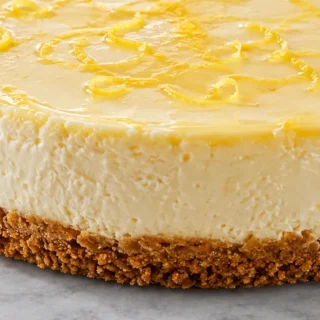
Gluten-Free Lemon Cheesecake Recipe
Ingredients
- 1 ½ cups gluten-free graham crackers (165g), crushed
- 5 tbsp unsalted butter, melted
- 1 tbsp granulated sugar
- 32 oz full fat cream cheese, softened
- 1 cup granulated sugar
- 2 tbsp cornstarch
- 4 large eggs, room temperature
- ¾ cup sour cream, room temperature
- 1 tsp pure vanilla extract
- 2 tsp lemon juice
Instructions
- Preheat oven to 325°F (163°C). Lightly grease the bottom and sides of a 9-inch springform pan or line with parchment paper.
- In a bowl, mix graham cracker crumbs, melted butter, and 1 tbsp sugar until evenly combined.
- Press the mixture firmly into the bottom of the prepared pan. Bake for 8–10 minutes, then let cool completely.
- In a large bowl, beat softened cream cheese, 1 cup sugar, and cornstarch until smooth and creamy.
- Add eggs one at a time, beating on low speed. Use a spatula to scrape down the sides of the bowl. Do not overmix—beat just until combined.
- Gently mix in room temperature sour cream, pure vanilla extract, and lemon juice until just combined.
- Pour the cheesecake filling over the cooled crust and smooth the top with a spatula.
- Bake for 45-50 minutes, or until the edges are set but the center is still slightly jiggly. Let cool completely on a wire rack, then chill in the refrigerator for at least 4 hours, preferably overnight.
Video
Notes
Understanding the Cream Cheese Base
The foundation of a gluten-free cheesecake lies in the cream cheese. Using 32 oz. of full-fat cream cheese at room temperature ensures a smooth and creamy texture. This is crucial as cold cream cheese can lead to lumps in the batter. The ideal temperature for softening cream cheese is around 70°F (21°C), which allows for proper emulsification with other ingredients.
Achieving the Perfect Crust
The crust of this cheesecake is made from 1½ cups of crushed gluten-free graham crackers combined with 5 tablespoons of melted unsalted butter and 1 tablespoon of granulated sugar. The butter acts as a binding agent, while the sugar enhances flavor. Ensure the graham crackers are finely crushed to create a uniform crust that holds together well. Baking the crust at 350°F (175°C) for about 10 minutes helps set it, preventing it from becoming soggy when the filling is added.
Balancing Sweetness and Tartness
Incorporating 1 cup of granulated sugar and 2 teaspoons of lemon juice is essential for balancing the flavors. The sugar not only sweetens the cheesecake but also contributes to the overall texture. The acidity from the lemon juice brightens the flavor profile. Be mindful of the ratio; too much sugar can make the cheesecake overly sweet, while too little can result in a flat taste. Aim for a balance where the tartness complements the sweetness.
Preventing Cracks in Your Cheesecake
Cracks can occur due to temperature fluctuations and overmixing. To minimize this, mix the batter on low speed and avoid incorporating too much air. Additionally, bake the cheesecake in a water bath (bain-marie) to maintain even heat distribution. This method helps regulate the temperature, allowing for a gentle cooking process. If cracks do form, they can be covered with a layer of sour cream mixed with sugar, which adds flavor and moisture.
Serving and Storing Your Cheesecake
Once baked, allow the cheesecake to cool gradually at room temperature for about an hour before refrigerating. This helps prevent condensation on the surface. Chill the cheesecake for at least 4 hours, preferably overnight, to enhance flavor and texture. For storage, cover the cheesecake tightly with plastic wrap and keep it in the refrigerator for up to one week. Freezing is also an option; wrap slices individually and store in an airtight container for up to three months.
How to Ensure Your Cheesecake Sets Properly
The setting of a cheesecake is crucial for achieving the right texture. The key to a well-set gluten-free cheesecake lies in the balance of ingredients and baking time. The filling should reach an internal temperature of around 150°F (65°C) for optimal firmness. Avoid overbaking, as this can lead to a dry texture. Instead, bake until the edges are firm but the center remains slightly jiggly, which will continue to set as it cools. A water bath can also help maintain even heat distribution, preventing the sides from cooking faster than the center.
Understanding the Role of Room Temperature Ingredients
Using room temperature ingredients is essential for a smooth and creamy cheesecake. Cold cream cheese can create lumps in the batter, leading to an uneven texture. Allow the cream cheese, sour cream, and eggs to sit out for about 30 minutes before mixing. This practice not only enhances the emulsion of fats and liquids but also promotes a more uniform bake. The ideal mixing time should be around 3-5 minutes on medium speed, ensuring all ingredients are fully integrated without overworking the batter.
Choosing the Right Equipment for a Perfect Bake
The type of baking pan you use can significantly affect the outcome of your gluten-free cheesecake. A springform pan is ideal as it allows for easy removal without damaging the cake. When using a glass or ceramic dish, the baking time may need adjustment due to differing heat retention properties. Additionally, consider using a stand mixer for a smoother batter, as it provides more consistent mixing compared to a hand mixer. A digital thermometer can also be a valuable tool to monitor the internal temperature accurately.
Pairing and Serving Suggestions for Your Cheesecake
Enhancing your gluten-free lemon cheesecake with the right accompaniments can elevate the dessert experience. Fresh berries, such as strawberries or blueberries, add a burst of flavor and a vibrant color contrast. A drizzle of lemon curd can intensify the citrus notes, while a dollop of whipped cream provides a creamy texture. For a more sophisticated touch, consider pairing with a light dessert wine or herbal tea that complements the citrus flavor. Serving chilled allows the flavors to meld beautifully, making every bite refreshing.
Understanding the Make-Ahead Potential of Your Cheesecake
One of the advantages of gluten-free cheesecake is its make-ahead capability. You can prepare the cheesecake up to two days in advance. Allow it to cool completely after baking, then cover it tightly with plastic wrap and refrigerate. This resting period allows the flavors to meld, enhancing its taste. However, it’s essential to note that the texture may slightly change; the cheesecake can become denser as it chills. If you plan to freeze it, wrap the cooled cheesecake in plastic wrap and then in aluminum foil. It can last up to three months in the freezer. When ready to serve, thaw it overnight in the refrigerator.
Scaling the Recipe for Different Occasions
Scaling your gluten-free cheesecake recipe can be straightforward, but it requires careful consideration of ingredient ratios and baking times. If you want to double the recipe for a larger gathering, use two 9-inch springform pans instead of one to ensure even baking. For a half-batch, a 6-inch springform pan is ideal. When adjusting baking times, smaller cheesecakes typically need less time, while larger ones may require an additional 10-15 minutes. Always check for doneness by gently shaking the pan; the center should be slightly wobbly but not liquid. Note that scaling can affect texture, so be cautious with ingredient ratios, especially for the eggs and cream cheese, which are critical for achieving the right consistency.
Adapting to Seasonal Ingredients and Quality Variations
Seasonal ingredients can significantly impact the flavor profile of your gluten-free cheesecake. For example, using fresh lemons in the spring can enhance the tartness and brightness of the dessert, while store-bought lemon juice may yield a less vibrant flavor. Similarly, the quality of cream cheese can vary; look for full-fat options with minimal additives for the best results. If using a different brand, consider that some cream cheeses may have a higher moisture content, which can affect the cheesecake’s texture. During the fall, consider incorporating spices like cinnamon or nutmeg to complement the lemon flavor, creating a unique twist. Adjusting the sugar content may also be necessary based on the sweetness of your chosen ingredients.
Understanding the Role of Lemon in Your Cheesecake
Lemon juice not only adds a refreshing tang to your gluten-free cheesecake but also plays a crucial role in the overall texture and flavor profile. The acidity from the lemon juice interacts with the cream cheese, helping to create a balanced flavor that offsets the richness of the cheesecake. This interaction also aids in the emulsification process, ensuring that the fats and liquids combine smoothly. For optimal results, use freshly squeezed lemon juice, as it contains natural oils and flavors that enhance the dish. Typically, 2 teaspoons of lemon juice are sufficient for a cheesecake of this size, contributing to a well-rounded flavor without overpowering the other ingredients.
Choosing the Right Gluten-Free Graham Crackers for Your Crust
Not all gluten-free graham crackers are created equal. The choice of crackers can significantly impact the texture and flavor of your cheesecake crust. Look for brands that use a blend of gluten-free flours, such as almond or coconut flour, which can provide a better texture compared to those made solely from rice flour. The recommended amount is 1½ cups (approximately 165g) of crushed crackers, which should yield a crust that is both sturdy and flavorful. If you encounter a brand that is overly sweet or lacks flavor, consider adjusting the sugar in the crust mixture or combining different types of gluten-free crackers to achieve a more balanced taste. Additionally, be mindful of the moisture content in the crackers; drier varieties may require slight adjustments in butter quantity to ensure the crust holds together well.
Pro tips
- For a crack-free top, place a pan of hot water on the rack below your cheesecake while baking to create a steamy environment.
- If the center of your cheesecake is still jiggly after baking, that’s actually a good sign! It will continue to set as it cools.
- Ensure all dairy and eggs are at room temperature for a smooth, lump-free batter. Rushing this step leaves tiny cream cheese bits in the batter that won’t smooth out.
- For food safety, ensure the internal temperature reaches 160°F (71°C) at the center.
This gluten-free cheesecake is a showstopper for any gathering or a delightful treat for yourself. Try serving it with fresh berries or a simple fruit compote to improve the flavors. Enjoy!
Frequently asked questions
Can I use low-fat cream cheese instead?
While low-fat cream cheese can be used, it may result in a less creamy texture and could affect the overall flavor. Full-fat cream cheese provides the best richness and mouthfeel for cheesecake.
How do I know when the cheesecake is done baking?
The cheesecake is done when the edges are set, but the center is slightly jiggly. It will continue to firm up as it cools. Avoid overbaking to prevent cracks.
What if my cheesecake cracks?
If cracks appear, don’t worry! You can cover them with a layer of sour cream mixed with sugar or a fruit topping. This adds flavor and helps disguise any imperfections.
Can I add fruit to the cheesecake filling?
Yes, you can add fruit puree or zest to the filling for added flavor. However, adjust the sugar accordingly to maintain the right balance of sweetness and acidity.
More from Gluten-Free Desserts & Sweets →