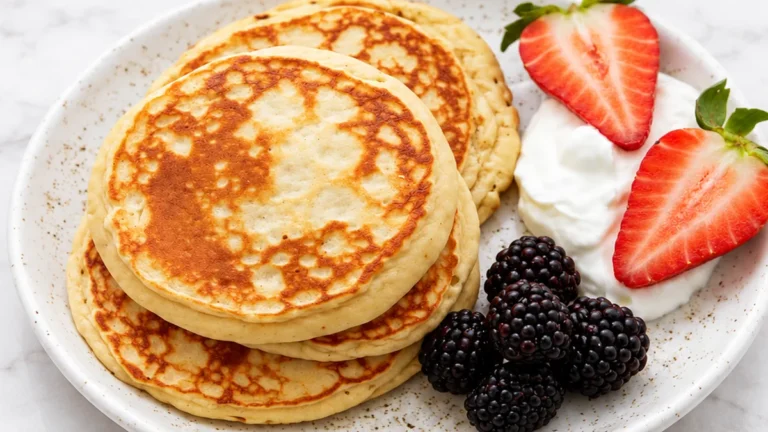
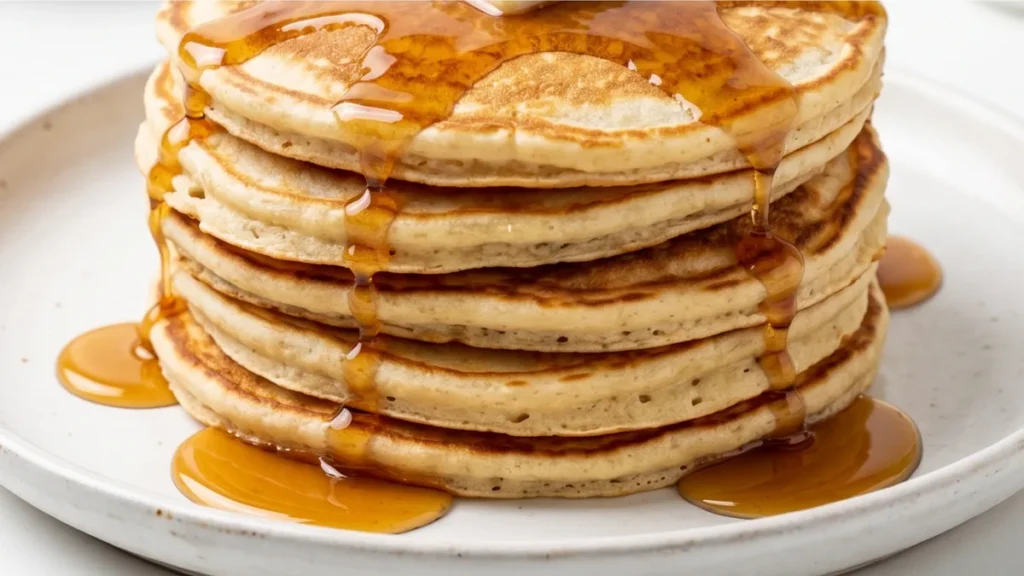
Start your day with a powerful boost using these incredible protein pancakes. They are designed for anyone seeking a nutritious and delicious breakfast that doesn’t compromise on taste or texture. This recipe offers a perfect balance of flavor and health benefits, ensuring you feel energized and satisfied throughout your morning. Unlike typical pancakes, these protein pancakes are packed with essential nutrients to support muscle growth and keep hunger at bay. They are also entirely gluten-free, making them an ideal choice for those with dietary restrictions or anyone looking for a healthier alternative. Enjoy a stack of fluffy, golden pancakes that are as good for you as they taste.
Key takeaways
- Ensure baking powder is fresh for optimal lift.
- Mix batter gently until just combined to avoid a dense texture.
- Allow batter to rest for 5-10 minutes before cooking.
- Cook pancakes over medium heat, flipping only once.
Protein Pancakes – Fuel Your Day!
Ingredients
- 1 cup almond flour
- 1/4 cup gluten-free all-purpose flour
- 1/4 cup unflavored protein powder
- 2 teaspoons baking powder
- 1/4 teaspoon salt
- 2 large eggs
- 1 cup almond milk
- 2 tablespoons melted butter
- 1 tablespoon maple syrup
- 1 teaspoon vanilla extract
Instructions
- Whisk together almond flour, GF flour blend, protein powder, baking powder, and salt in a bowl.
- In a separate bowl, whisk eggs, almond milk, melted butter, maple syrup, and vanilla extract.
- Add wet ingredients to dry ingredients and stir until smooth. Let batter rest for 5 minutes.
- Heat a non-stick pan over medium heat and lightly grease.
- Pour about 1/4 cup of batter per pancake onto the hot pan.
- Cook for 2-3 minutes until bubbles form, then flip and cook for another 1-2 minutes.
- Repeat with remaining batter, adjusting heat as needed.
- Serve warm with your favorite toppings.
Notes
The technique that makes it
The success of these protein pancakes hinges on a few key techniques that ensure a fluffy texture and prevent them from becoming dense or rubbery, common pitfalls with protein powder. Firstly, the leavening agents, baking powder and the air incorporated into the eggs, are crucial. Ensure your baking powder is fresh; expired leavening will result in flat pancakes. Whisking the eggs thoroughly until they are light and slightly frothy before combining them with the wet ingredients helps introduce air, contributing to the lift. Secondly, the mixing method is paramount. Combine the dry ingredients (almond flour, gluten-free flour, protein powder, baking powder, and salt) in one bowl and the wet ingredients (eggs, almond milk, melted butter, maple syrup, and vanilla) in another. Gradually add the wet ingredients to the dry, mixing only until just combined. Overmixing develops the gluten in the flour (even in a gluten-free blend, some starches can behave similarly) and can toughen the protein, leading to a chewy, undesirable texture. A few small lumps are perfectly acceptable. Finally, allow the batter to rest for 5-10 minutes before cooking. This resting period allows the almond flour to hydrate fully and the baking powder to begin its chemical reaction, further enhancing the pancake’s rise and tenderness.
Troubleshooting
- Problem: Pancakes are dense and heavy.
Fix: This is often due to overmixing the batter, which develops starches and toughens the protein. Ensure you mix the wet and dry ingredients only until just combined, leaving a few small lumps. Also, check that your baking powder is fresh, as old leavening agents won’t provide adequate lift. - Problem: Pancakes are dry and crumbly.
Fix: The ratio of wet to dry ingredients might be off, or the almond flour may not have hydrated properly. Ensure you are measuring your ingredients accurately. Allowing the batter to rest for 5-10 minutes before cooking helps the almond flour absorb moisture. You can also add an extra tablespoon of almond milk if the batter seems excessively thick after resting. - Problem: Pancakes stick to the pan.
Fix: Insufficient fat in the pan or a pan that is not hot enough are the usual culprits. Ensure you are using enough melted butter or cooking spray for each batch. Preheat your griddle or non-stick pan over medium heat; the batter should sizzle gently when it hits the surface. - Problem: Pancakes have a rubbery texture.
Fix: This can occur if the protein powder is not well-integrated or if the batter is overcooked. Ensure the protein powder is thoroughly whisked into the dry ingredients. Cook the pancakes for 2-3 minutes per side over medium heat, flipping only once. Overcrowding the pan can also lower the temperature, leading to longer cooking times and a rubbery result.
Substitutions
- Flour: If almond flour is unavailable, you can substitute it with an equal amount of oat flour or a different gluten-free flour blend. The texture may vary slightly, with oat flour potentially yielding a slightly chewier pancake.
- Milk: Any dairy or non-dairy milk can be used in place of almond milk. Soy milk, oat milk, or regular cow’s milk will work, with minimal impact on the final pancake consistency.
- Sweetener: The maple syrup can be replaced with honey, agave nectar, or a sugar-free syrup alternative. Adjust the quantity to your preferred sweetness level. If using a liquid sweetener, you may need to slightly reduce the milk if the batter becomes too thin.
- Fat: Coconut oil or a neutral vegetable oil can be used instead of melted butter. The flavor profile might change subtly depending on the oil chosen.
Pro tips
- Use room temperature eggs and milk for a smoother batter.
- Don’t overmix the batter; a few lumps are okay.
- Adjust heat as needed to prevent burning.
- Serve immediately for the best fluffy texture.
Enjoy these wholesome protein pancakes, perfect for a nutritious start to any day. Try them with your favorite toppings!
More from Gluten-Free Breakfast & Brunch →
Frequently asked questions
Can I make protein pancakes ahead of time?
Yes, you can prepare the batter the night before and store it in the refrigerator. For fully cooked pancakes, let them cool completely before storing in an airtight container. Reheat gently in a toaster, oven, or microwave. They are best enjoyed fresh but can be stored for up to 2 days.
What can I substitute for protein powder in pancakes?
If you don’t have protein powder, you can increase the amount of flour slightly and add a tablespoon or two of Greek yogurt or cottage cheese to the batter for extra protein and moisture. Another option is to add nut butter or seeds for a protein boost.
How do I know when protein pancakes are done?
Cook the pancakes for 2-3 minutes per side, or until bubbles appear on the surface and the edges look set. They should be golden brown on the bottom. Gently flip and cook the other side until golden. Avoid overcooking to keep them moist.
What are good toppings for protein pancakes?
Serve your protein pancakes with fresh berries, a drizzle of honey or maple syrup, a dollop of Greek yogurt, or a sprinkle of nuts and seeds. A spoonful of nut butter also adds flavor and healthy fats. These toppings complement the hearty nature of the pancakes.