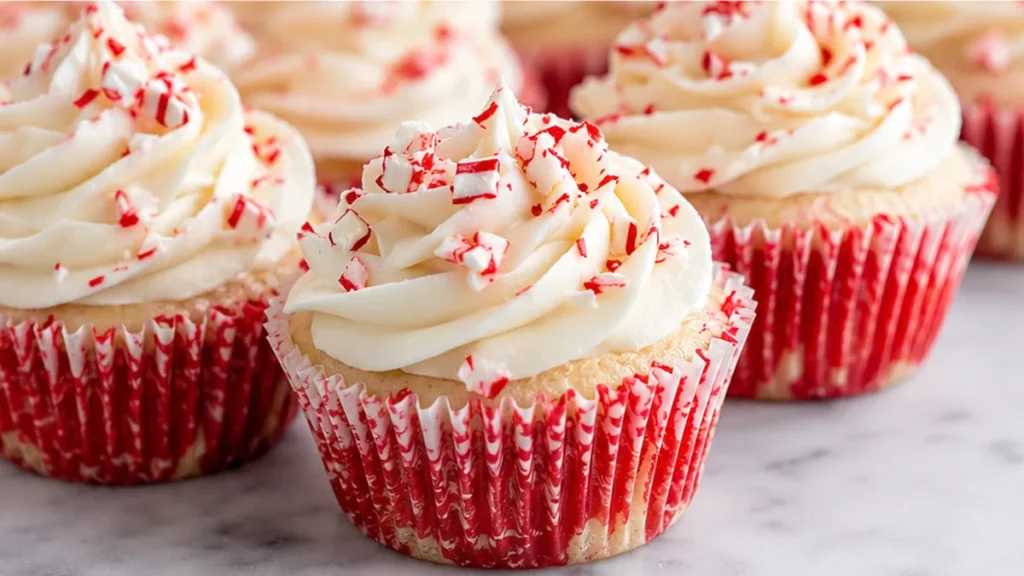
The secret to truly irresistible gluten-free peppermint cupcakes lies in the balance of the peppermint flavor and the lightness of the cake. It’s easy to overdo the extract, turning festive into toothpaste-like. This recipe aims for a delicate, refreshing mint presence without overwhelming the tender crumb. These peppermint cupcakes are designed to be a holiday standout, offering a light, airy texture and a bright, yet balanced, peppermint essence. Whether you’re navigating dietary restrictions or simply looking for a festive dessert, this recipe delivers both flavor and a delightful experience for everyone. Carefully measuring the peppermint extract makes all the difference.
Key takeaways
- Creaming dairy-free butter, shortening, and sugar incorporates essential air for a light texture.
- Ensure eggs are at room temperature and fully emulsified for a smooth, stable batter.
- Measure peppermint extract precisely to avoid an overpowering flavor.
- Do not overmix the batter once dry ingredients are added to maintain tenderness.
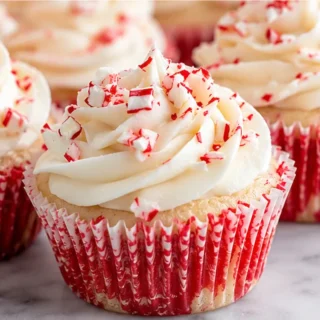
Peppermint Cupcakes: Holiday Sweetheart!
Ingredients
- 3/4 cup granulated sugar
- 2 large eggs, room temperature
- 1 1/4 cups all-purpose gluten-free flour
- 1/4 teaspoon salt
- 1 3/4 teaspoons gluten-free baking powder
- 1/2 cup oil
- 1/2 cup dairy-free milk
- 2 teaspoons peppermint extract
- 1/4 cup dairy-free butter (1/2 stick), room temperature
- 1/4 cup palm shortening, room temperature
- 1 cup powdered sugar
- Crushed candy cane pieces
Instructions
- Preheat oven to 350°F (180°C). Line a 12-serving cupcake pan with paper liners; set aside.
- In a large mixing bowl, beat 3/4 cup granulated sugar and 2 large eggs with an electric mixer at medium speed for 1 minute. Add 1 1/4 cups gluten-free flour, 1/4 teaspoon salt, 1 3/4 teaspoons gluten-free baking powder, 1/2 cup oil, 1/2 cup dairy-free milk, and 2 teaspoons peppermint extract. Continue to beat at medium speed for 1 more minute.
- Divide batter among liners, filling 2/3 full (about 1/4 cup of batter per cupcake). Bake for 23-25 minutes until a toothpick comes out clean. Cool completely before frosting.
- For the frosting: In a medium mixing bowl, beat 1/4 cup dairy-free butter and 1/4 cup palm shortening with an electric mixer until creamy. Add 1 teaspoon peppermint extract and mix until combined. Beat in 1 cup of powdered sugar at a time, alternating with 1 tablespoon of dairy-free milk. Add more or less dairy-free milk for desired consistency. Pipe frosting onto each cupcake. Sprinkle with crushed candy cane pieces.
Notes
The Technique That Makes It: Emulsification and Aeration for Lightness
The success of these peppermint cupcakes hinges on two key principles: proper emulsification and effective aeration. The recipe calls for creaming the dairy-free butter and palm shortening with granulated sugar. This step is crucial for incorporating air into the fat. As the sugar crystals cut into the fats, they create tiny air pockets. These pockets expand during baking, contributing to the cupcake’s light and tender crumb. Following this, the eggs are added one at a time. This ensures they fully emulsify with the fat-sugar mixture, creating a stable base for the batter. Emulsification is the process where oil and water-based ingredients (like milk and eggs) are blended into a smooth, cohesive mixture. A well-emulsified batter prevents a greasy texture and ensures even distribution of leavening agents. The gluten-free flour blend, combined with baking powder and salt, provides the structure. Gluten-free flours behave differently than traditional wheat flours; they lack gluten, the protein network that provides elasticity and structure. Therefore, the creaming and emulsification steps are even more vital here to build that necessary structure and tenderness. Overmixing after adding the dry ingredients can lead to a tough cupcake, even without gluten, as it can overwork the starches and proteins present in gluten-free flours.
Troubleshooting
- Cupcakes are dense and heavy: This often results from insufficient creaming of the fats and sugar, or overmixing after adding the dry ingredients. Ensure you cream the butter, shortening, and sugar until light and fluffy, and mix the dry ingredients in until just combined.
- Cupcakes have a greasy texture: This indicates a failure in emulsification. Make sure eggs are at room temperature and added one at a time, allowing each to incorporate fully before adding the next. Ensure fats are also at room temperature.
- Cupcakes have a strong peppermint flavor or are bitter: Too much peppermint extract can be overpowering. Measure the extract carefully. If the flavor is too strong, consider reducing it slightly in future batches or balancing it with more sweetness in the frosting.
- Cupcakes are dry: This can happen if overbaked or if the liquid-to-dry ingredient ratio is off. Ensure accurate measuring of gluten-free flour and don’t overbake; check for doneness with a toothpick inserted into the center.
Substitutions
- Dairy-free milk: Unsweetened almond milk or soy milk can be used. The result will be a similar texture and moisture level.
- Oil: A neutral-flavored oil like canola or sunflower oil can replace the specified oil. Coconut oil (melted and slightly cooled) can also be used, but may impart a subtle coconut flavor.
- Dairy-free butter and palm shortening: A good quality vegan butter substitute can replace both. Ensure it’s a solid type, not a spreadable one, for best results in creaming. The texture might be slightly different depending on the brand used.
- Gluten-free flour blend: A cup-for-cup gluten-free flour blend that contains xanthan gum can be substituted. If your blend does not contain xanthan gum, you may need to add about 1/2 teaspoon to the dry ingredients for structure.
Pro tips
- For the fluffiest cupcakes, ensure your eggs and dairy-free butter are truly at room temperature. This helps emulsify the batter better.
- Don’t overmix the batter once the flour is added; mix just until combined to prevent dense cupcakes.
- If your frosting is too stiff, add dairy-free milk a teaspoon at a time until you reach your desired piping consistency.
These gluten-free peppermint cupcakes are a fantastic way to bring a festive spirit to any gathering. Experiment with different holiday sprinkles or even a chocolate drizzle for extra flair. Enjoy baking and sharing these delightful treats!
Frequently asked questions
Can I use regular all-purpose flour instead of gluten-free?
Using regular all-purpose flour will change the texture significantly. Gluten-free flour lacks gluten, requiring specific techniques like proper creaming and emulsification to achieve tenderness. Regular flour will result in a denser, potentially chewier cupcake if not adjusted for.
How can I make the peppermint flavor stronger or milder?
To make the flavor stronger, add an extra 1/4 to 1/2 teaspoon of peppermint extract. For a milder flavor, reduce the extract by 1/4 teaspoon. Always add extracts gradually, as their potency can vary.
What is the best way to crush candy canes for topping?
Place candy canes in a sturdy plastic bag and crush them using a rolling pin or the bottom of a heavy pan. Avoid over-crushing into a fine powder; aim for small, irregular pieces for the best visual and textural effect.
Why are my cupcakes not rising well?
Poor rising can be due to expired baking powder, insufficient creaming of fats and sugar, or overmixing the batter. Ensure your baking powder is fresh and follow the creaming and mixing instructions carefully.
More from Gluten-Free Desserts & Sweets →