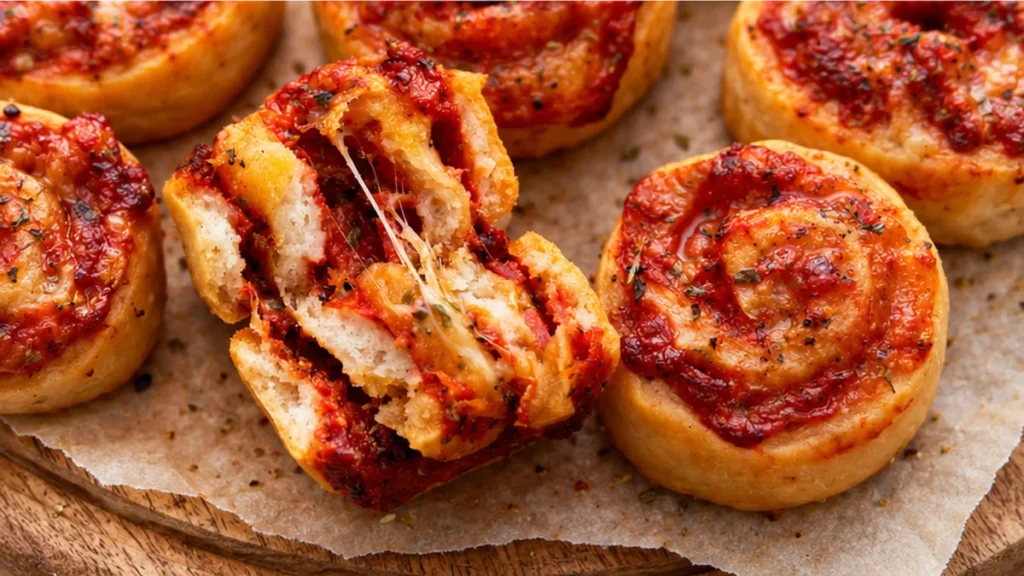
Gluten-free pizza rolls are the perfect solution for pizza lovers who need a gluten-free option. These delicious rolls are a delightful twist on traditional pizza, providing a cheesy and savory experience that everyone will enjoy. What makes these gluten-free pizza rolls stand out is their flaky, tender crust and the gooey melted cheese inside. They are perfect for parties, game day, or as a fun snack for the whole family.
Key takeaways
- Use a gluten-free flour blend with binding agents for the best texture.
- Adjust moisture levels in the dough to avoid stickiness or dryness.
- Choose toppings wisely to maintain the right moisture balance.
- Bake at a high temperature for a crispy exterior and soft interior.
Irresistible Gluten-Free Pizza Rolls You Must Try!
Ingredients
- 1 1/2 cups gluten-free all-purpose flour
- 1 teaspoon xanthan gum (omit if your flour blend contains it)
- 1 teaspoon baking powder
- 1/2 teaspoon salt
- 1/2 cup warm water
- 2 tablespoons olive oil
- 1 teaspoon apple cider vinegar
- 1/3 cup pizza sauce
- 3/4 cup shredded mozzarella cheese
- 1/4 cup chopped pepperoni (or any topping of choice)
Instructions
- Preheat the oven to 375°F. Line a baking sheet with parchment paper.
- In a bowl, whisk together gluten-free flour, xanthan gum (if using), baking powder, and salt.
- Add warm water, olive oil, and apple cider vinegar. Mix until a dough forms.
- Roll the dough between two sheets of parchment paper into a 10×12-inch rectangle.
- Spread pizza sauce evenly over the dough, leaving a 1/2-inch border.
- Sprinkle mozzarella, pepperoni, basil, and garlic powder on top.
- Carefully roll the dough into a log (like cinnamon rolls), using the parchment to help lift the edges.
- Slice into 8 rolls and place on the baking sheet.
Video
Notes
Understanding the Role of Gluten-Free Flour in Pizza Rolls
Gluten-free all-purpose flour is essential for creating the right texture in gluten-free pizza rolls. Unlike traditional wheat flour, gluten-free flour lacks gluten, which provides elasticity and structure. The combination of different gluten-free flours, such as rice flour, almond flour, and tapioca starch, can enhance the texture and flavor. A typical gluten-free flour blend should contain binding agents like xanthan gum to mimic the properties of gluten, ensuring that the rolls hold together without falling apart.
Common Issues with Pizza Roll Dough and How to Resolve Them
One frequent issue with gluten-free pizza rolls is a dough that is too sticky or too dry. If the dough is sticky, it may be due to excess moisture in the ingredients or insufficient flour. To fix this, gradually add more gluten-free flour until the desired consistency is achieved. Conversely, if the dough is too dry, increase the water content slightly. Another common problem is the dough tearing during rolling. This can happen if the dough is not adequately rested or if it lacks sufficient hydration. Allowing the dough to rest for at least 30 minutes can improve its pliability.
Choosing the Right Toppings for Flavor and Texture
The toppings you choose can significantly affect the overall success of your gluten-free pizza rolls. For instance, using fresh vegetables can add moisture but may also make the filling too watery. To avoid this, consider sautéing vegetables before adding them to the filling. Cheese is a popular choice, but using a blend of cheeses can enhance flavor complexity. If you’re looking for a healthier alternative, consider using grilled chicken or plant-based proteins instead of traditional pepperoni, which can be high in fat and sodium.
Why Baking Temperature Matters for Perfect Pizza Rolls
Baking temperature is crucial for achieving the perfect gluten-free pizza rolls. A higher temperature, around 220°C (425°F), can help create a crispy outer layer while keeping the inside soft and chewy. If the temperature is too low, the rolls may become dense and chewy rather than light and fluffy. Additionally, using a preheated baking sheet can help achieve a better crust by providing immediate heat to the dough.
How to Properly Store Gluten-Free Pizza Rolls for Maximum Freshness
Storing gluten-free pizza rolls correctly is crucial to maintaining their texture and flavor. Once baked, allow the rolls to cool completely at room temperature. For short-term storage, place them in an airtight container and refrigerate for up to three days. For longer storage, consider freezing them. Wrap each roll tightly in plastic wrap and then place them in a freezer-safe bag. They can be frozen for up to three months. When ready to eat, reheat them in the oven at 175°C (350°F) for about 10-15 minutes to restore their crispness.
Scaling the Recipe for Larger Gatherings
If you’re hosting a party or gathering, scaling your gluten-free pizza rolls recipe is straightforward. The proportions of the ingredients can be doubled or tripled without compromising the quality. However, keep in mind that baking times may vary. When increasing the batch size, ensure that the rolls are spaced adequately on the baking sheet to allow for even cooking. Consider using multiple baking sheets if necessary, and rotate them halfway through the baking time for uniform results.
Essential Equipment for Making Perfect Pizza Rolls
The right equipment can significantly impact the outcome of your gluten-free pizza rolls. A high-quality mixing bowl is essential for properly combining the ingredients, while a silicone spatula ensures that you can scrape down the sides without wasting any dough. A non-stick baking sheet or parchment paper is recommended to prevent sticking. Additionally, using a pizza cutter can help you achieve even portions when slicing the rolls before baking, ensuring they cook uniformly.
Pairing Suggestions to Elevate Your Pizza Rolls
Enhancing your gluten-free pizza rolls with the right pairings can elevate your dining experience. Serve them with a variety of dipping sauces, such as marinara, ranch, or garlic butter, to complement the flavors. A fresh salad with a tangy vinaigrette can provide a refreshing contrast to the rich, cheesy rolls. For a more substantial meal, consider pairing them with a light soup, such as minestrone or a simple vegetable broth, which can balance the heaviness of the pizza rolls.
How to Make Gluten-Free Pizza Rolls Ahead of Time
Making gluten-free pizza rolls ahead of time can be a game-changer for busy weeknights or gatherings. To prepare them in advance, follow these steps: After forming the rolls, you can freeze them before baking. Place the uncooked rolls on a baking sheet lined with parchment paper and freeze until solid. Once frozen, transfer them to a freezer-safe bag or container. When ready to bake, you can cook them straight from the freezer, adding a few extra minutes to the baking time. This method not only preserves the flavor and texture but also allows for quick and easy meals without compromising on quality.
Understanding the Impact of Ingredient Quality on Gluten-Free Pizza Rolls
The quality of your ingredients can significantly affect the outcome of your gluten-free pizza rolls. For instance, using high-quality gluten-free flour blends that contain a mix of starches and whole grains will yield better results than generic brands. Fresh ingredients, such as mozzarella cheese and pepperoni, enhance flavor and texture. Additionally, the freshness of your baking powder is crucial; expired baking powder can lead to poor rise and density in the rolls. Always check expiration dates and opt for organic or locally sourced ingredients when possible to elevate the overall quality of your dish.
Choosing the Right Baking Equipment for Optimal Results
The baking equipment you use can greatly influence the success of your gluten-free pizza rolls. A light-colored, non-stick baking sheet is ideal, as it promotes even browning and prevents sticking. Avoid dark pans, which can lead to over-browning on the bottom while the tops remain undercooked. If available, consider using a pizza stone, which helps distribute heat evenly and can result in a crispier crust. Additionally, using parchment paper can aid in easy removal and cleanup, ensuring that your rolls maintain their shape and do not stick to the pan.
How to Effectively Scale Your Gluten-Free Pizza Rolls for Larger Gatherings
When scaling gluten-free pizza rolls for larger gatherings, it’s crucial to maintain the right ratios of ingredients to ensure consistent texture and flavor. For instance, if you double the recipe, use 3 cups of gluten-free all-purpose flour, 2 teaspoons of baking powder, and 1 teaspoon of salt. Be mindful of the hydration level; the dough should remain pliable but not sticky. This means you may need to adjust the warm water slightly, adding it gradually until the desired consistency is achieved. Additionally, consider the baking time; larger batches may require a few extra minutes in the oven to ensure even cooking. Always check for a golden-brown exterior and melted cheese as indicators of doneness.
Understanding the Impact of Ingredient Quality on Flavor and Texture in Pizza Rolls
The quality of your ingredients can significantly affect the final outcome of gluten-free pizza rolls. For example, using high-quality gluten-free flour blends that include a mix of starches and protein sources can enhance the texture, making the rolls more tender and less crumbly. Opt for fresh mozzarella cheese for a creamier melt and richer flavor compared to pre-shredded varieties, which often contain anti-caking agents. Similarly, using homemade pizza sauce can elevate the taste profile, allowing for fresher, more vibrant flavors. When selecting toppings, ensure they are of good quality, as this contributes to the overall satisfaction of the dish. For instance, artisanal pepperoni can provide a more robust flavor than standard varieties. By prioritizing ingredient quality, you can create gluten-free pizza rolls that are not only delicious but also memorable.
Understanding the Best Practices for Storing Gluten-Free Pizza Rolls
Proper storage of gluten-free pizza rolls is essential to maintain their texture and flavor. After baking, allow the rolls to cool completely on a wire rack. This prevents condensation from forming, which can make the rolls soggy. Once cooled, store them in an airtight container at room temperature for up to two days. For longer storage, consider freezing them. Wrap each roll tightly in plastic wrap and place them in a freezer-safe bag. They can last in the freezer for up to three months. To reheat, bake them from frozen at 190°C (375°F) for about 15-20 minutes, ensuring they are heated through and regain their crispiness.
Scaling Your Gluten-Free Pizza Rolls for Different Occasions
Scaling a gluten-free pizza roll recipe is straightforward but requires attention to ingredient proportions and baking times. When doubling or tripling the recipe, ensure that you maintain the same ratios of flour, liquid, and fat. For instance, if you are using 1.5 cups of gluten-free flour, scale it to 3 cups for a double batch. Keep in mind that larger batches may require slightly longer baking times, so monitor them closely to avoid over-baking. Additionally, consider the size of your baking tray; a larger tray can accommodate more rolls but may also require you to bake in batches. This ensures even cooking and prevents overcrowding, which can lead to uneven baking.
Pro tips
- Make sure to roll the dough evenly for consistent cooking.
- Try adding different toppings like veggies or different cheeses for variety.
- Serve with extra pizza sauce for dipping to enhance the flavor.
Try these gluten-free pizza rolls today and impress your friends and family! Feel free to customize with your favorite toppings for a delicious twist.
Frequently asked questions
Can I use regular flour instead of gluten-free flour?
No, regular flour contains gluten, which is essential for traditional pizza dough. Using gluten-free flour is necessary for making gluten-free pizza rolls.
How do I store leftover pizza rolls?
Store leftover gluten-free pizza rolls in an airtight container in the refrigerator for up to three days. You can reheat them in the oven to maintain their crispiness.
What can I substitute for xanthan gum?
If you don’t have xanthan gum, you can use psyllium husk powder or ground flaxseed as alternatives. They help bind the ingredients together and improve the texture.
Can I freeze gluten-free pizza rolls?
Yes, gluten-free pizza rolls can be frozen. Place them in a single layer on a baking sheet, freeze until solid, then transfer to a freezer bag. They can be baked directly from frozen.
More from Gluten-Free Pasta & Pizza →