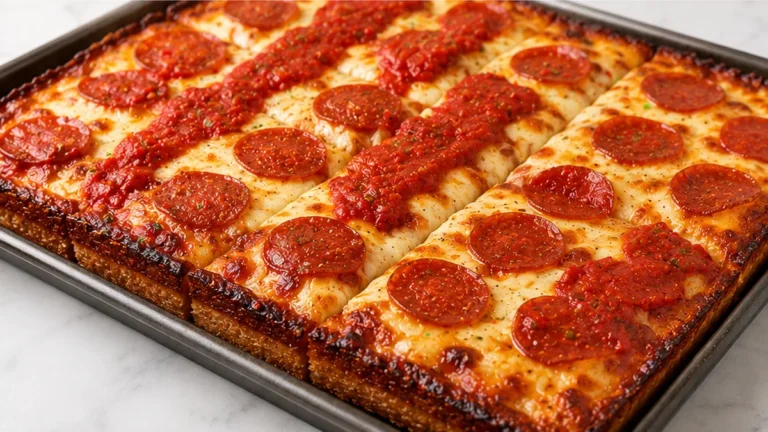
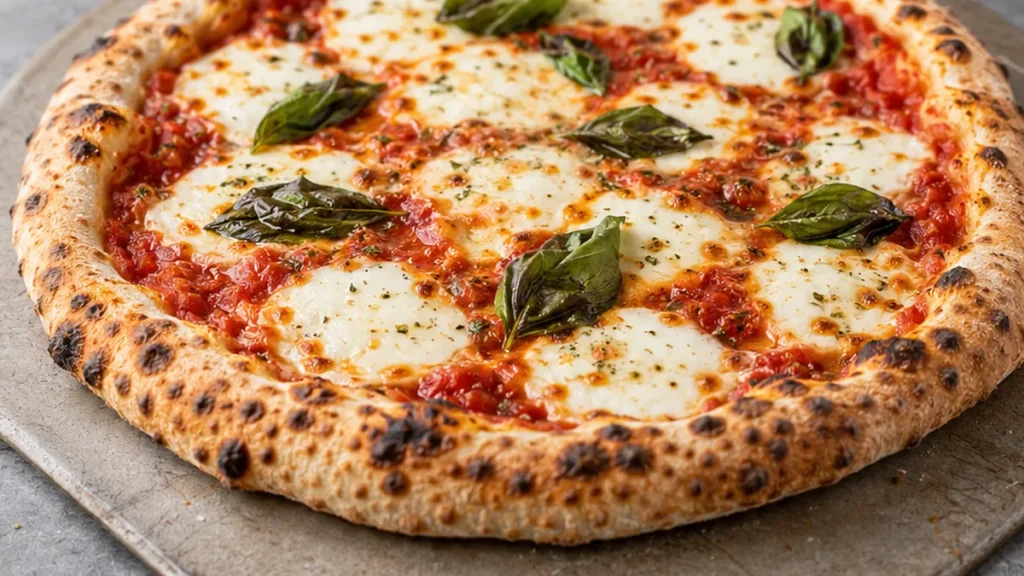
Gluten-free pizza has never been easier with this artisan recipe. Perfect for anyone seeking a delicious alternative, this pizza is not just for the gluten-sensitive but for everyone looking to enjoy a delightful meal. With a crispy crust and a rich tomato sauce, it’s a true crowd-pleaser. Crafted with high-quality gluten-free ingredients, this recipe ensures you won’t miss out on traditional flavors while accommodating dietary needs. Whether it’s pizza night or a casual gathering, this gluten-free pizza will make sure everyone leaves satisfied.
Key takeaways
- Gluten-free pizza dough requires specific handling due to the absence of gluten.
- Proper hydration and minimal manipulation are key techniques.
- Ensure yeast is active and oven is preheated for best results.
- Substitutions are possible but may alter texture and flavor.
Gluten-Free Artisan Pizza: Taste the Magic!
Ingredients
- 2 ½ cups (375g) King Arthur Gluten-Free Pizza Flour
- ½ teaspoon instant yeast
- 2 teaspoons kosher salt
- 1 teaspoon sugar
- 1 ¾ cups (420ml) water
- 2 tablespoons olive oil
- 1 28-ounce can crushed tomatoes
- 1 tablespoon dried oregano
- 2 teaspoons kosher salt
- ½ teaspoon sugar
Instructions
- For the gluten-free crust: In the bowl of a stand mixer fitted with the paddle attachment, add the King Arthur Gluten-Free Pizza Flour, instant yeast, salt and sugar. Mix to combine.
- With the mixer running on low, add the water followed by the olive oil. Increase the speed to medium-high and mix for 2 minutes. Scrape down the bottom and sides of the bowl and continue to mix for another 1-2 minutes. The dough will be thinner than regular pizza dough. This is normal!
- Lightly drizzle olive oil into 2 small Tupperware or dough containers and use your fingers or a pastry brush to coat the bottom and sides. Form half the dough (316g) into a ball and place into the container. Repeat with the second dough ball. Cover tightly with a lid and refrigerate overnight or up to 2 days. (If baking the same day, skip the refrigerator and let the dough rise covered at room temperature for about 2-3 hours.)
- For the pizza sauce: Add the salt, oregano and sugar directly to the can of crushed tomatoes. Stir to combine.
- If using a pizza steel: Place the steel on the center rack of your oven and preheat to 500°F for at least 45–60 minutes so the steel is thoroughly heated.
- If using a pizza oven: Preheat on the Pizza setting using the Artisan preset (highest heat) until the oven indicates it is fully preheated.
- Line a 12-inch pizza pan with parchment paper and dust with King Arthur Gluten-Free Pizza Flour. Press the dough into a 12-inch round on the parchment, being careful to leave the edges slightly thicker and as undisturbed as possible so it can form air bubbles. Gluten-free dough is sticky, so the parchment helps you transfer the crust easily to the oven and prevents it from sticking to a peel.
- Carefully transfer the parchment-lined crust onto the hot steel or into the preheated pizza oven and par-bake for 30 seconds. This quick par-bake makes the crust sturdy enough to handle. Remove the crust and discard the parchment paper. Baking longer than 30 seconds with parchment may cause it to burn.
Notes
The technique that makes it
The secret to a truly delicious gluten-free artisan pizza lies in understanding how gluten-free flours behave differently from traditional wheat flour. Unlike wheat flour, which develops gluten strands that provide elasticity and structure, gluten-free flour blends lack this protein. King Arthur’s Gluten-Free Pizza Flour is specifically formulated with a blend of starches and gums (like xanthan gum) to mimic some of gluten’s properties. The key technique here is proper hydration and minimal handling. The 1 ¾ cups of water are crucial for activating the yeast and creating a workable, albeit sticky, dough. This high hydration allows the starches to gelatinize during baking, contributing to a tender crust. Avoid overworking the dough; instead, focus on gentle folding or stretching. The recipe’s instruction to use 2 tablespoons of olive oil not only adds flavor but also contributes to a softer, more pliable dough, preventing it from becoming too dry and crumbly. The yeast is instant, meaning it can be mixed directly with the dry ingredients without prior proofing, simplifying the process. The sugar acts as food for the yeast, promoting a good rise, and also contributes to browning. The salt is essential for flavor and controlling yeast activity. For the sauce, simply combining crushed tomatoes with oregano, salt, and a touch of sugar creates a fresh topping that complements the crust without overpowering it.
Troubleshooting
- Problem: Dough is too sticky to handle. Fix: Lightly flour your hands and work surface with more gluten-free flour. Avoid adding too much extra flour, which can make the crust dry. A bench scraper can also help manage sticky dough.
- Problem: Crust is dense and heavy. Fix: Ensure your yeast is active and not expired. Check that the water temperature was appropriate (lukewarm, around 105-115°F or 40-46°C) for yeast activation. Proper hydration is key; make sure you used the full amount of water specified.
- Problem: Pizza is soggy in the center. Fix: Preheat your oven and baking surface (pizza stone or steel) thoroughly. Ensure the sauce is not too watery and don’t overload the pizza with toppings, especially wet ones.
- Problem: Crust is too crumbly. Fix: This often indicates insufficient hydration or too much flour added during handling. Ensure you measured the flour accurately by weight if possible. The xanthan gum in the blend needs adequate moisture to function properly.
Substitutions
- Gluten-Free Pizza Flour: You can attempt to create your own blend using a mix of rice flour, tapioca starch, potato starch, and xanthan gum, but results will vary significantly as commercial blends are carefully balanced. Ensure your blend contains a binder like xanthan gum.
- Instant Yeast: Active dry yeast can be used, but it must be proofed first. Dissolve it in the water with the sugar for 5-10 minutes until foamy before adding to the dry ingredients.
- Olive Oil: A neutral oil like avocado or grapeseed oil can be substituted in the dough, though it may slightly alter the flavor profile.
- Crushed Tomatoes: For the sauce, pureed tomatoes or even a high-quality tomato passata can be used. Adjust seasoning as needed, as their flavor intensity can differ.
Pro tips
- Let the dough rise in the fridge overnight for maximum flavor.
- For a crispy base, preheat your pizza stone or steel thoroughly before baking.
- Feel free to customize toppings to your liking – the possibilities are endless!
Try this gluten-free artisan pizza recipe and enjoy a delicious meal that everyone can share. Experiment with different toppings to suit your taste!
More from Gluten-Free Pasta & Pizza →
Frequently asked questions
Why is gluten-free pizza dough so sticky?
Gluten-free flours lack the elastic protein network (gluten) found in wheat flour. This means they absorb water differently and don’t form a cohesive, stretchy dough. The starches and gums in the blend help bind ingredients, but the dough often remains stickier than traditional dough.
Can I use regular all-purpose flour instead of the gluten-free blend?
No, this recipe is specifically designed for gluten-free pizza flour. Using regular all-purpose flour will result in a completely different dough structure, texture, and taste, as it contains gluten which this recipe does not account for.
How can I make the crust crispier?
Ensure your oven and baking surface (like a pizza stone or steel) are fully preheated. Baking directly on a hot surface helps draw out moisture. You can also try baking the crust slightly longer at a high temperature before adding toppings.
What is the role of sugar in the dough?
The sugar in the dough serves two main purposes: it acts as food for the yeast, helping it to activate and produce carbon dioxide for leavening, and it contributes to the browning and caramelization of the crust during baking.