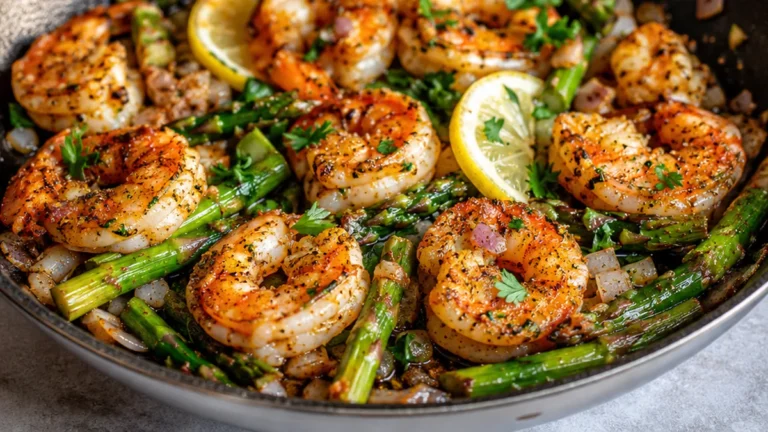
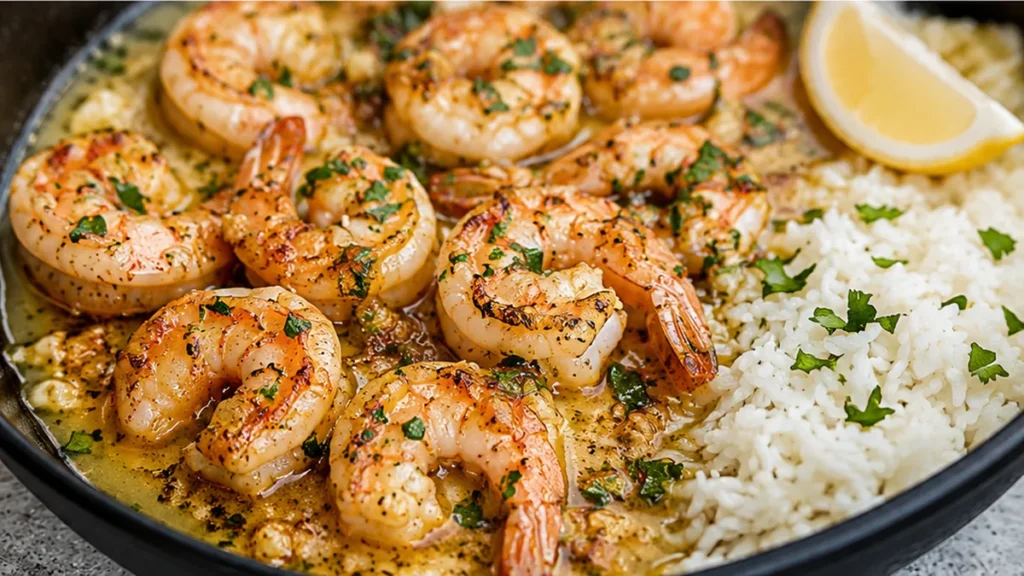
The secret to perfectly tender garlic butter shrimp lies in precise cooking times and a high-quality skillet. Garlic butter shrimp, when cooked just right, remains succulent and infused with a rich, aromatic sauce, avoiding the common pitfall of rubbery texture. This recipe ensures a fantastic result every time by focusing on these crucial steps. This simple yet elegant dish is designed for speed and maximum flavor, making it ideal for busy weeknights or when you need a delicious meal in a hurry. The combination of fresh garlic, butter, and a hint of chili creates a truly irresistible experience.
Key takeaways
- Control the heat to avoid overcooking shrimp.
- Add garlic after shrimp to prevent burning.
- Use a mix of olive oil and butter for flavor and emulsion.
- Adjust seasoning to enhance overall taste.
Ingredients for garlic butter shrimp
- 1 lb large shrimp, peeled and deveined, (keep the tails on)
- ½ tsp salt
- ½ tsp black pepper, grounded
- 1 ½ tbsp olive oil
- 3 tablespoons unsalted butter, softened
- 3 cloves garlic, minced
- 1 tbsp chili flakes
- 1 tbsp lemon juice
- 2 tbsp chopped parsley
- Cooked Rice, for serving
How to make garlic butter shrimp
- In a mixing bowl, marinate shrimp with salt and black pepper for 15 minutes.
- Preheat a large skillet (ironcast) over medium to low heat. Add olive oil and cook the marinated shrimp for 2 minutes, flipping halfway.
- Remove the shrimp from the skillet and set aside.
- Add 2 tbsp of butter; once it melts, add minced garlic and cook until fragrant for 30 seconds. Then add chili flakes and lemon juice.
- Add cooked shrimp and the rest of butter. Continue to cook for 3-5 minutes, stirring occasionally. Add the chopped parsley and mix well.
- Turn off the heat and serve immediately with rice, lemon wedges and additional chopped parsley.
The technique that makes it
The key to achieving perfectly cooked garlic butter shrimp lies in controlling the heat and timing. When sautéing shrimp, using a combination of olive oil and butter allows for a high smoke point while adding rich flavor. The olive oil prevents the butter from burning, which is crucial because burnt butter can impart a bitter taste. Additionally, shrimp cook very quickly; overcooking them can lead to a rubbery texture. Searing shrimp at medium-high heat for just 2-3 minutes per side ensures they remain tender and juicy. The addition of minced garlic should be timed perfectly; it should be added after the shrimp have begun to cook to avoid burning, which can happen in less than a minute. Finally, the emulsion created by the butter and olive oil binds the flavors together, enriching the dish.
Troubleshooting
- Problem: Shrimp are rubbery.
Fix: Ensure you do not overcook the shrimp; they should only take 2-3 minutes per side on medium-high heat. - Problem: Garlic tastes burnt.
Fix: Add minced garlic after the shrimp have started to cook, allowing it to infuse flavor without burning. - Problem: Dish lacks flavor.
Fix: Adjust seasoning with additional salt, pepper, or lemon juice to enhance the overall taste. - Problem: Butter separates and does not emulsify.
Fix: Make sure to stir the butter and oil together continuously while cooking to create a stable emulsion.
Substitutions
- Shrimp: Substitute with scallops for a different seafood experience, maintaining similar cooking times.
- Olive oil: Use avocado oil for a higher smoke point while keeping a neutral flavor profile.
- Chili flakes: Swap with fresh chopped chili peppers for a fresher heat and vibrant color.
- Parsley: Replace with cilantro for a different herbaceous note that complements the shrimp.
Pro tips
- Do not overcrowd the skillet; cook shrimp in batches if necessary to ensure even cooking and a good sear. Overcrowding can steam the shrimp instead of searing them.
- For a richer flavor, use fresh garlic and butter. The quality of your ingredients significantly impacts the final taste of the garlic butter shrimp.
- Shrimp are fully cooked when they turn pink and opaque. Cooking them for no more than 2 minutes per side keeps them from becoming tough, especially with larger shrimp.
- Store leftover cooked shrimp in an airtight container in the refrigerator for up to 2-3 days. Reheat gently on the stovetop over low heat or in the microwave for short bursts to prevent overcooking.
This garlic butter shrimp recipe is a testament to how simple ingredients can create an extraordinary meal. Experiment with adding a splash of white wine or a sprinkle of fresh herbs like basil for a slight variation. Enjoy this quick and satisfying dish!
Frequently asked questions
Can I use frozen shrimp for this recipe?
Yes, you can use frozen shrimp, but make sure to thaw them completely and pat them dry before cooking to avoid excess moisture, which can steam the shrimp instead of searing them.
What type of shrimp should I use?
Large shrimp are ideal for this recipe, as they provide a satisfying bite and cook quickly. Look for shrimp labeled as ‘U/15′ or ’16/20’ for best results.
Can I make this dish ahead of time?
While it’s best served fresh, you can prepare the garlic butter sauce ahead of time. Just reheat it gently before adding the shrimp to ensure they cook evenly.
What can I serve with garlic butter shrimp?
This dish pairs well with cooked rice, pasta, or a fresh salad. You can also serve it with crusty bread to soak up the delicious butter sauce.