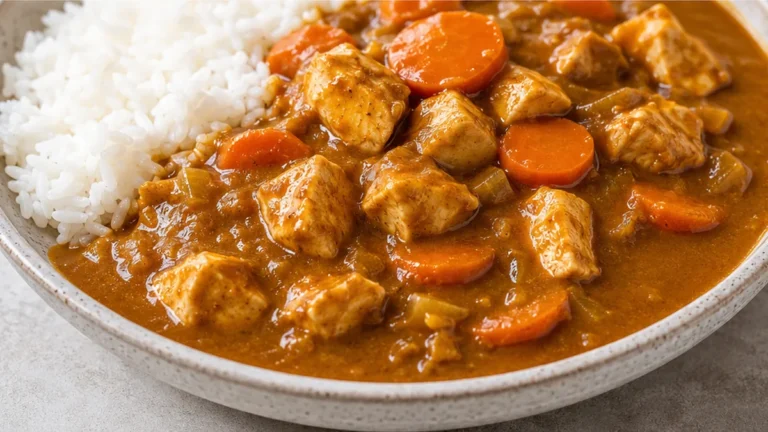
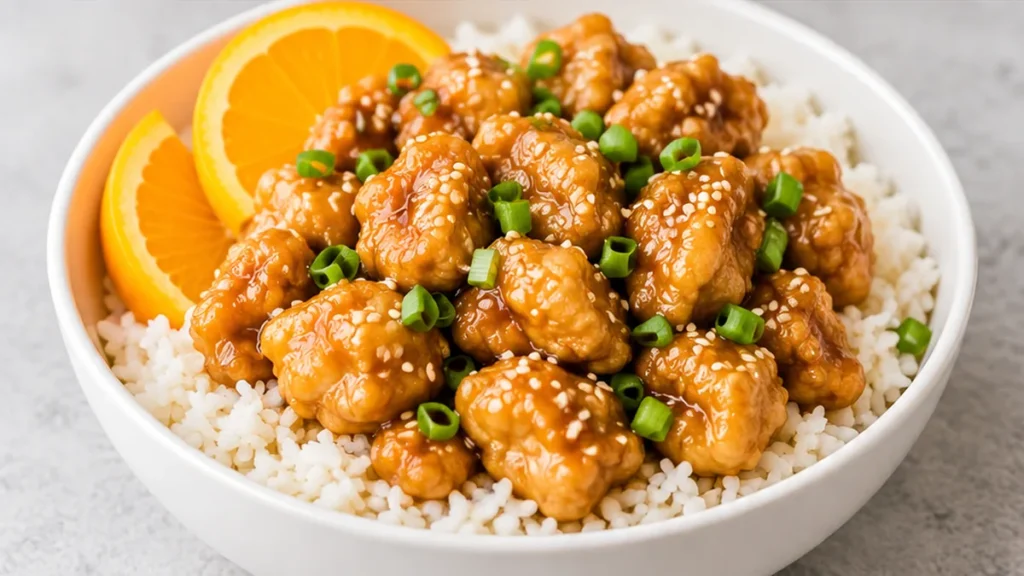
This irresistibly crunchy gluten free orange chicken recipe combines a crispy coating with a tangy orange sauce. It’s a straightforward dish that delivers great flavor.
Key takeaways
- Use a 2:1 ratio of cornstarch to rice flour for the crispiest batter.
- Maintain oil temperature between 175°C to 190°C for optimal frying.
- Avoid overcrowding the pan to prevent soggy chicken.
- Consider a dual-layer batter for enhanced crunch and better sauce adherence.
Irresistibly Crunchy Gluten-Free Orange Chicken!
Ingredients
Instructions
- Combine the gluten-free flour, cornstarch, and ground ginger in a large plastic storage bag (Think Shake and Bake).
- Cut the chicken breasts into 1-inch size pieces, ideally by cutting the chicken in half and then cutting those pieces again.
- Whisk the eggs in a medium-sized bowl, then add chicken pieces to the egg and stir to fully coat.
- Place the chicken pieces in the plastic storage bag of the gluten-free flour mixture, seal it, and shake until fully coated. Refrigerate while the oil heats.
- Heat the vegetable oil on medium-high heat in a skillet or wok until it reaches 350°F.
- Carefully add the coated chicken pieces to the hot oil and fry for 3-4 minutes until light golden brown. Cook in batches if necessary.
- Remove the chicken pieces from the oil and drain on a paper towel-lined sheet or plate.
- Pour the hot oil from the skillet into a heatproof bowl to cool. Wipe the skillet clean and return it to the stovetop.
The Science Behind Achieving Perfectly Crunchy Coating
A key element in making irresistibly crunchy gluten-free orange chicken lies in the batter’s composition and frying technique. The use of gluten-free flours, such as rice flour or cornstarch, creates a lighter, crispier texture compared to traditional wheat flour. For optimal crunch, a 2:1 ratio of cornstarch to rice flour is recommended. When frying, maintaining the oil temperature between 175°C to 190°C (350°F to 375°F) is crucial. This range allows for immediate sealing of the batter, preventing excessive oil absorption and resulting in a crisp exterior.
Common Mistakes When Frying and How to Avoid Them
One frequent mistake is overcrowding the pan, which can lower the oil temperature drastically. This leads to soggy chicken instead of a crispy finish. Fry in small batches, ensuring each piece has enough space to cook evenly. Another issue is not drying the chicken thoroughly before battering. Excess moisture can cause the batter to slide off during frying. Pat the chicken pieces dry with paper towels before coating them.
Ingredient Swaps and Their Impact on Texture
When making gluten-free orange chicken, certain ingredient substitutions can alter the final texture and flavor. For instance, replacing cornstarch with tapioca flour may yield a chewier coating, while using almond flour can add a nutty flavor but may not achieve the same level of crunch. If you prefer a sweeter orange sauce, consider using honey instead of sugar, which will impart a richer flavor but may also make the sauce slightly thicker. Always consider the balance of flavors and textures when swapping ingredients.
Unique Aspects of This Orange Chicken Recipe
This recipe stands out due to its emphasis on a dual-layer batter, which enhances the crunchiness. The first layer is a seasoned cornstarch mix, while the second layer includes a light egg wash before a final dusting of cornstarch. This technique not only adds texture but also helps the sauce adhere better to the chicken, ensuring a flavorful bite every time. Additionally, the use of fresh orange juice and zest in the sauce provides a vibrant, zesty flavor that elevates the dish beyond typical orange chicken recipes.
How to Properly Store Leftover Orange Chicken
Storing leftover gluten-free orange chicken requires careful attention to maintain its texture and flavor. Allow the chicken to cool to room temperature before transferring it to an airtight container. To maximize freshness, consume the leftovers within 3-4 days. When reheating, use an oven or an air fryer at 180°C (350°F) for 10-15 minutes to restore the crunchiness of the coating. Microwaving is not recommended as it can lead to a soggy texture.
Scaling the Recipe for Larger Gatherings
When scaling the recipe, consider the ratios of the ingredients carefully. For a larger batch, simply multiply the quantities of chicken and coating ingredients by the number of servings desired. However, ensure that the frying equipment can accommodate the increased volume without overcrowding, which can lead to uneven cooking. Maintain the oil temperature between 175°C to 190°C (350°F to 375°F) for optimal frying results. This ensures that each piece remains crispy and flavorful.
Choosing the Right Equipment for Frying
The choice of frying equipment can significantly impact the outcome of your orange chicken. A deep fryer is ideal for maintaining consistent oil temperature, but a heavy-bottomed pot can also work well. Use a thermometer to monitor the oil temperature accurately. If using a skillet, ensure it has high sides to prevent splatter. Additionally, a slotted spoon or spider tool is essential for lifting the chicken out of the oil without excess grease.
Seasonal Ingredient Quality and Its Impact on Flavor
Seasonal variations in ingredient quality can affect the overall flavor profile of your orange chicken. Fresh, in-season oranges yield a brighter, more vibrant sauce, while off-season oranges may be less flavorful. Similarly, fresh ginger and garlic provide a more pronounced taste compared to dried versions. Always opt for the freshest ingredients available to elevate the dish’s flavor. Consider adjusting the amount of sugar or soy sauce based on the sweetness or saltiness of the seasonal ingredients you use.
Understanding the Role of Marinade in Flavor Development
Marinating the chicken is crucial for enhancing its flavor and tenderness. The marinade typically includes ingredients like soy sauce, ginger, and garlic, which not only infuse the meat with flavor but also help tenderize it. A standard marinating time for chicken is between 30 minutes to 2 hours; this allows the flavors to penetrate adequately. For optimal results, consider using a ratio of 1 part acid (like vinegar or citrus juice) to 3 parts oil, which creates a balanced marinade that enhances flavor without overpowering the chicken.
How to Maintain Crispiness During Serving
Once cooked, maintaining the crunchiness of gluten-free orange chicken can be challenging. To preserve the crispy texture, serve immediately after frying. If the chicken must sit for a while, consider placing it on a wire rack instead of a plate, as this prevents steam from softening the coating. Additionally, avoid covering the chicken, which traps moisture. If you’re preparing for a gathering, keeping the chicken warm in a low oven (around 90°C or 200°F) can help maintain its crispiness without overcooking.
Adjusting Cooking Times for Different Equipment
Different cooking equipment can affect the frying process significantly. For instance, using a deep fryer typically results in more consistent temperatures compared to a stovetop pan, which can lead to uneven cooking. If using a skillet, ensure the oil temperature is around 190°C (375°F) for optimal frying. Monitor the chicken closely, as thicker pieces may require an additional minute or two to cook through. Always use a thermometer to check that the internal temperature reaches 75°C (165°F) for safe consumption.
Pairing Suggestions to Enhance the Meal
Complementing gluten-free orange chicken with the right sides can elevate the overall dining experience. Consider serving it with steamed jasmine rice or quinoa to balance the dish’s sweetness. Additionally, fresh vegetables like broccoli or snap peas can add a crunchy contrast. A light citrus salad with a vinaigrette can also enhance the meal’s brightness, echoing the orange flavors in the chicken. For a beverage pairing, a light, crisp white wine or iced green tea can refresh the palate.
How to Prepare Orange Chicken in Advance for Maximum Flavor
Preparing your orange chicken in advance can significantly enhance the flavor profile of the dish. To do this effectively, marinate the chicken pieces for at least 30 minutes, but ideally overnight in the refrigerator. This allows the chicken to absorb the flavors of the marinade, which typically includes soy sauce, ginger, garlic, and orange juice. A longer marination time can help tenderize the meat and infuse it with deeper flavors. When ready to cook, ensure that the chicken is at room temperature before frying to promote even cooking. If you plan to serve the dish later, consider frying the chicken pieces until they are just golden and slightly undercooked, then finish cooking them just before serving. This method ensures that the chicken remains crispy when served.
Understanding the Impact of Different Cooking Oils on Flavor and Texture
The choice of cooking oil can greatly affect the flavor and texture of your gluten-free orange chicken. Oils with high smoke points, such as avocado oil or peanut oil, are ideal for frying as they can withstand higher temperatures without burning. This is crucial for achieving that irresistibly crunchy texture. If you use oils with lower smoke points, such as olive oil, the chicken may not crisp up as well, and the flavor could become bitter if the oil burns. Additionally, each oil imparts its own subtle flavor; for instance, peanut oil adds a nutty undertone that complements the orange sauce beautifully. Therefore, selecting the right oil not only impacts the cooking process but also enhances the overall taste of the dish.
How to Scale the Recipe Without Compromising Texture
When scaling up the irresistibly crunchy gluten-free orange chicken recipe, maintaining the texture of the coating is crucial. A common issue arises when increasing the batch size, as the frying temperature can drop significantly if too many pieces are added at once. To avoid this, fry in smaller batches. For instance, if doubling the recipe, consider frying half the pieces at a time. This keeps the oil temperature consistent, ideally around 180°C (350°F), ensuring that each piece gets that perfect crunch. Additionally, ensure that the batter remains thick enough to adhere to the chicken; too much chicken can lead to a thinner coating.
Understanding the Impact of Ingredient Quality on Flavor
The flavor profile of your gluten-free orange chicken can greatly vary based on the quality of your ingredients. Fresh, high-quality oranges will yield a more vibrant sauce, enhancing the overall dish. When selecting oranges, look for ones that are firm and heavy for their size, indicating juiciness. The type of gluten-free flour used also plays a role; for instance, using a blend that includes rice flour can provide a lighter texture compared to a heavier blend. Furthermore, the freshness of your spices, especially the ginger and garlic, can significantly impact the depth of flavor. Using freshly grated ginger rather than powdered can elevate the dish, providing a spicier and more aromatic profile.
Pro tips
Pro tip: Best served immediately while hot!
Frequently asked questions
Why is my orange chicken not crispy?
If your orange chicken isn’t crispy, it may be due to overcrowding the frying pan or not drying the chicken properly before battering. Ensure you fry in small batches and pat the chicken dry with paper towels.
What can I use instead of cornstarch in the batter?
You can substitute cornstarch with tapioca flour or potato starch, but these may alter the texture. Tapioca flour can create a chewier coating, while potato starch may yield a different crunch.
How do I store leftovers to maintain crispiness?
To keep leftover orange chicken crispy, store it in an airtight container without the sauce. Reheat in an oven or air fryer to restore the crunch before serving.
Can I make this recipe ahead of time?
While the chicken can be battered and refrigerated for a few hours, it’s best to fry it just before serving. Prepare the sauce in advance and reheat it when ready to serve for maximum freshness.
More from Gluten-Free Dinners & Mains →