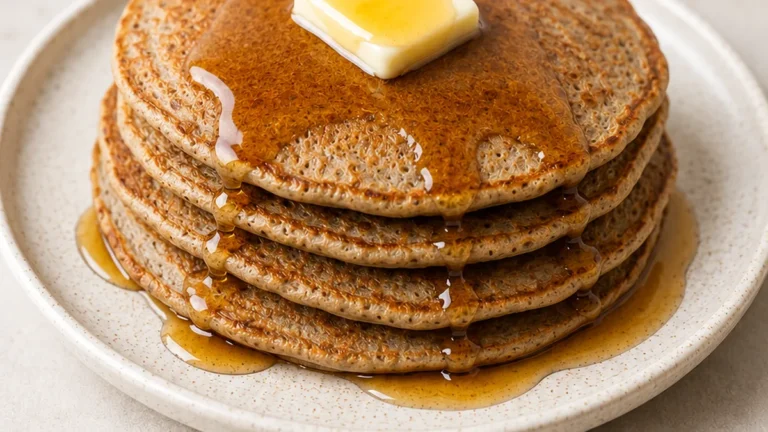
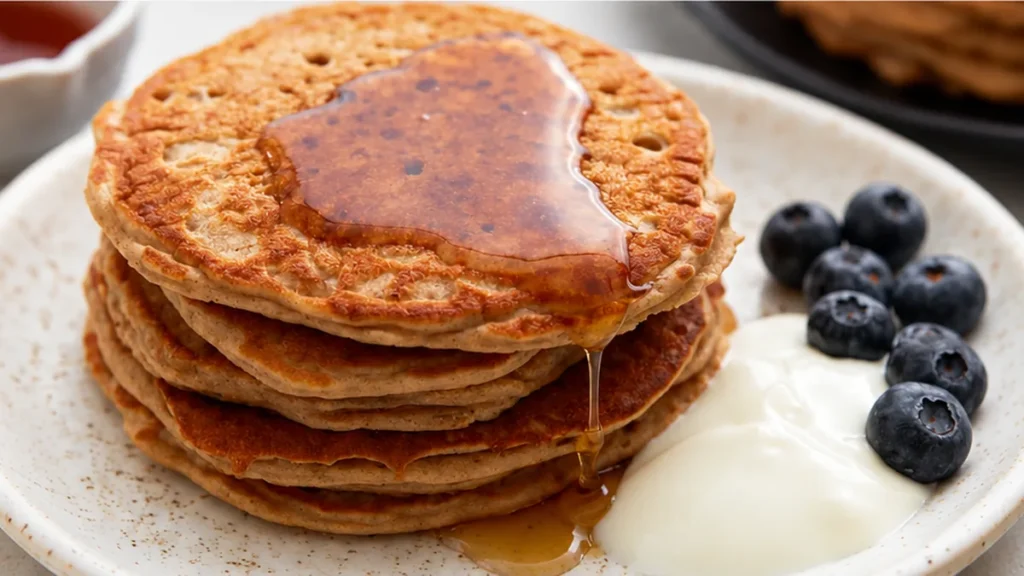
Fluffy buckwheat pancakes are a nutritious alternative to traditional pancakes. This recipe is simple and perfect for a weekend breakfast.
Key takeaways
- Rest the batter for optimal hydration.
- Avoid overmixing to maintain fluffiness.
- Cook at the right temperature for even browning.
- Explore alternative ingredients for unique flavors.
Fluffy Buckwheat Pancakes: Your New Weekend Obsession!
Ingredients
Instructions
- Whisk together buckwheat flour, baking powder, baking soda, and salt in a bowl.
- Whisk the egg, buttermilk, melted butter, sugar, and vanilla extract in a separate bowl.
- Pour the wet ingredients into the dry ingredients and stir until smooth. Let the batter rest for 5 minutes.
- Preheat a non-stick skillet over medium heat and lightly grease with butter or oil.
- Pour 1/4 cup of batter onto the pan for each pancake. Cook for 2–3 minutes until bubbles form, then flip and cook for another 1–2 minutes until golden brown.
- Serve warm with maple syrup, butter, fruits, or yogurt.
Understanding the Science Behind Fluffy Buckwheat Pancakes
The key to achieving fluffy buckwheat pancakes lies in the balance of ingredients and the cooking technique. Buckwheat flour, which is gluten-free, requires careful hydration to create a light texture. When mixed with liquid, allow the batter to rest for about 10-15 minutes; this gives the flour time to absorb moisture, leading to better texture and fluffiness. The ideal cooking temperature is around 190°C (375°F), which allows for the Maillard reaction to occur, creating a golden-brown exterior while keeping the inside tender and airy.
Identifying Common Mistakes and Their Solutions
1. Pancakes are too dense: This often occurs when the batter is overmixed, which can develop the starches in buckwheat flour too much. To fix this, mix the batter just until combined and allow for some lumps.
2. Pancakes stick to the pan: Ensure your cooking surface is preheated properly and lightly greased. If using a non-stick pan, a small amount of oil or butter can help in achieving a perfect flip.
3. Uneven cooking: If pancakes are browning too quickly on the outside while remaining raw on the inside, lower the heat to allow for even cooking. A temperature around 160°C (320°F) may be more suitable.
Ingredient Alternatives and Their Impacts on Texture
1. Using whole wheat flour instead of buckwheat will provide a different flavor profile and a denser texture, as whole wheat contains gluten.
2. Substituting almond milk for regular milk can add a nutty flavor, but may slightly alter the fluffiness due to differing fat content.
3. If you want a sweeter pancake, adding mashed bananas instead of sugar will create a denser batter but will also provide natural sweetness and moisture.
Unique Characteristics of Buckwheat Pancakes
Fluffy buckwheat pancakes stand out due to their earthy flavor and nutritional benefits. Unlike traditional pancakes made with wheat flour, buckwheat is rich in antioxidants and essential amino acids, making these pancakes not only a delicious breakfast option but also a healthier one. Additionally, their unique flavor pairs well with a variety of toppings, from fresh fruits to savory options.
How to Prepare Fluffy Buckwheat Pancakes in Advance
Making fluffy buckwheat pancakes ahead of time can save you precious minutes on busy mornings. To prepare them in advance, cook the pancakes as per the recipe and allow them to cool completely on a wire rack. Once cooled, stack them with parchment paper in between each pancake to prevent sticking and place them in an airtight container. They can be refrigerated for up to 3 days or frozen for up to 2 months. When ready to serve, reheat them in a toaster or microwave until warmed through. This method maintains their fluffy texture, making them a convenient option for quick breakfasts.
Scaling the Recipe: Adjusting for Larger or Smaller Portions
If you’re hosting a brunch or a family gathering, you may want to scale your fluffy buckwheat pancakes recipe. The beauty of this recipe lies in its adaptability. To scale the recipe, simply multiply the ingredient quantities accordingly. For example, if you want to double the batch, use twice the amount of each ingredient. Keep in mind that cooking time may vary slightly with larger batches; pancakes may take a little longer to cook through. Monitor them closely to ensure they remain fluffy and do not overcook.
Choosing the Right Equipment for Perfect Pancakes
The equipment you use can significantly affect the outcome of your fluffy buckwheat pancakes. A non-stick skillet or griddle is ideal, as it allows for easy flipping and prevents sticking. Additionally, using a ladle or measuring cup to pour the batter can help achieve uniform pancake sizes, ensuring even cooking. If you have a pancake dispenser, it can also simplify portioning the batter. For the best results, ensure your cooking surface is preheated to the right temperature, typically around 180°C (350°F), before adding the batter.
Seasonal Ingredients and Their Impact on Flavor
Using seasonal ingredients can elevate your fluffy buckwheat pancakes. In spring and summer, consider adding fresh berries like blueberries or strawberries to the batter for a burst of flavor and natural sweetness. In the fall, pumpkin puree can be incorporated for a seasonal twist, along with spices like cinnamon and nutmeg. During winter, you might opt for citrus zest or grated apples to brighten the flavor profile. These variations not only enhance taste but also introduce different textures and nutritional benefits, making your pancakes even more delightful.
Understanding the Role of Resting Time for Optimal Texture
Resting the batter is a crucial step in achieving the perfect fluffy buckwheat pancakes. Allowing the batter to sit for at least 10-15 minutes enables the flour to hydrate fully, which can lead to a more tender texture. During this time, the starches in the buckwheat absorb moisture, resulting in a thicker batter that holds air bubbles more effectively. This resting period also allows the leavening agents to activate, ensuring a lighter pancake. For best results, cover the batter with a damp cloth to prevent it from drying out.
Choosing the Right Cooking Surface for Even Cooking
The choice of cooking surface can significantly impact the outcome of your fluffy buckwheat pancakes. Non-stick pans or well-seasoned cast iron skillets are ideal, as they distribute heat evenly and prevent sticking. Preheat your cooking surface over medium-low heat to avoid burning the pancakes while ensuring they cook through. If the surface is too hot, the outside may brown too quickly, leaving the inside undercooked. A drop of water should sizzle and evaporate within seconds, indicating the right temperature for cooking.
Pairing and Serving Suggestions to Enhance Flavor
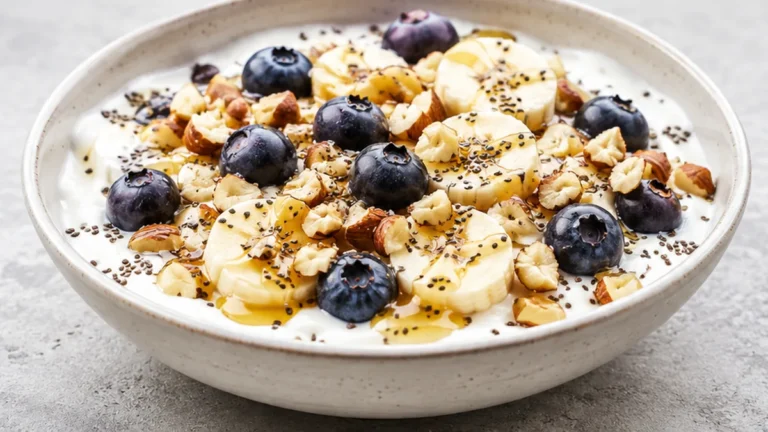
Fluffy buckwheat pancakes are versatile and can be paired with a variety of toppings to enhance their natural nutty flavor. Consider serving them with fresh fruits like berries or bananas, which add sweetness and acidity. For a savory twist, top with a dollop of Greek yogurt and a sprinkle of herbs. Maple syrup is a classic choice, but try drizzling honey or a homemade fruit compote for a unique flavor profile. Additionally, serving these pancakes with a side of nuts or seeds can add a delightful crunch and extra nutrition.
Understanding the Impact of Ingredient Quality on Flavor and Texture
The quality of ingredients used in fluffy buckwheat pancakes can significantly influence their flavor and texture. For instance, using freshly ground buckwheat flour can enhance the nutty flavor profile, while stale flour may lead to a flat taste. Additionally, the freshness of baking powder is crucial; it should be within six months of opening for optimal leavening. When it comes to eggs, opting for organic or free-range eggs can also impart a richer flavor. Seasonal ingredients, such as fresh fruits or local honey, can elevate the overall taste, making pancakes not just a breakfast item but a delightful culinary experience.
Scaling the Recipe for Perfect Pancakes Every Time
When scaling the recipe for fluffy buckwheat pancakes, it’s essential to maintain the correct ratios of wet to dry ingredients to ensure consistent results. For example, if doubling the recipe, use a 2:1 ratio of liquid to flour, which typically holds true for pancake batters. Consider using a kitchen scale for precise measurements, especially when working with buckwheat flour, as its density can vary. Additionally, be mindful of the cooking time; larger batches may require slightly longer cooking times to achieve that golden-brown exterior without compromising the fluffiness. Adjusting the heat on the stovetop may also be necessary to accommodate the increased volume, ensuring even cooking throughout the batch.
How to Ensure Your Buckwheat Pancakes Stay Fresh and Fluffy
Proper storage is essential for maintaining the texture and flavor of fluffy buckwheat pancakes. To keep them fresh, allow the pancakes to cool completely before stacking them. Place parchment paper between each pancake to prevent sticking, then wrap the stack in plastic wrap or place them in an airtight container. Stored this way, they can last in the refrigerator for up to three days. If you want to keep them longer, consider freezing them. Place the cooled pancakes in a single layer on a baking sheet and freeze until solid. Then, transfer them to a freezer-safe bag or container. When ready to eat, reheat them in a toaster or microwave. This method preserves their fluffy texture and prevents them from becoming soggy.
Understanding the Importance of Ingredient Ratios for Perfect Texture
The ratio of wet to dry ingredients is crucial in achieving the right texture for fluffy buckwheat pancakes. A typical ratio is about 1:1.5 for liquid to flour, but this can vary based on the specific ingredients used. For instance, using more liquid than recommended can lead to thin, flat pancakes, while too little can result in a dense texture. To ensure optimal fluffiness, consider the moisture content of your ingredients. If using milk alternatives or adding ingredients like mashed bananas or applesauce, adjust the flour content accordingly. Additionally, the freshness of your baking powder plays a significant role; ensure it is within its expiration date for maximum leavening power. This attention to detail in ratios will significantly enhance the overall quality of your pancakes.
Pro tips
Pro tip: Best served immediately while hot!
Frequently asked questions
Why are my buckwheat pancakes not rising?
Your pancakes may not be rising due to insufficient leavening agents. Ensure you are using an adequate amount of baking powder, and consider letting the batter rest to activate the leavening process.
Can I make the batter ahead of time?
While you can prepare the batter in advance, it’s best to use it within a few hours for optimal fluffiness. If stored, make sure to stir it gently before cooking, as some separation may occur.
What toppings pair best with buckwheat pancakes?
Buckwheat pancakes have a versatile flavor that pairs well with various toppings. Consider using fresh fruits, yogurt, maple syrup, or even savory options like avocado or smoked salmon for a unique twist.
How do I store leftover pancakes?
To store leftover pancakes, let them cool completely, then stack them with parchment paper in between to prevent sticking. Place them in an airtight container and refrigerate for up to three days or freeze for longer storage.
More from Gluten-Free Breakfast & Brunch →