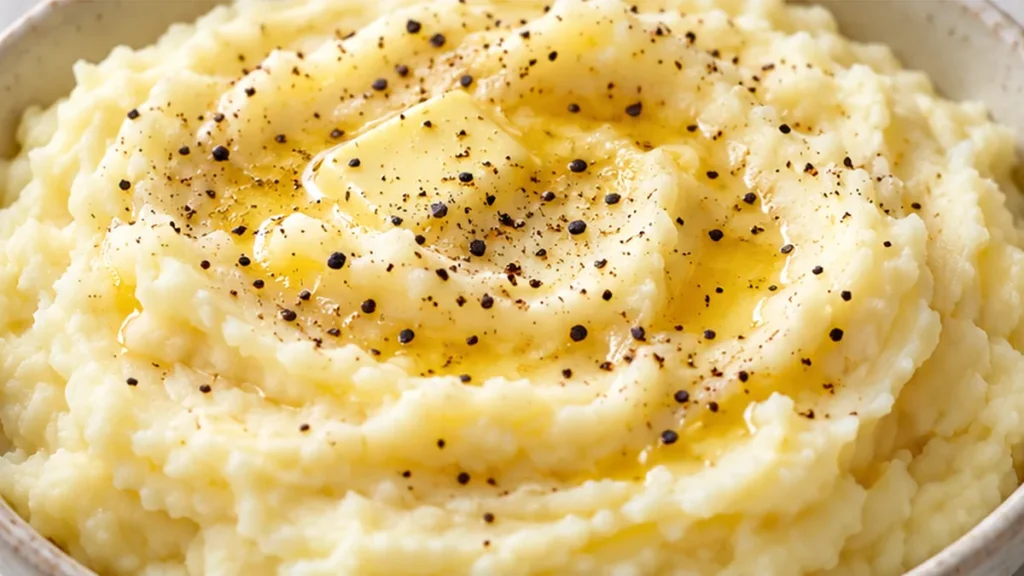
Creamy mashed potatoes are a classic side dish. This recipe features garlic for added depth of flavor. Easy to prepare, they pair well with various entrees.
Key takeaways
- Choose high-starch potatoes for the best texture.
- Mash while warm to achieve creaminess.
- Avoid over-mixing to prevent gumminess.
- Experiment with swaps for different flavors.
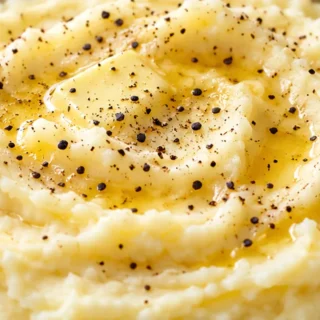
Creamy Mashed Potatoes: The Ultimate Comfort Side!
Ingredients
Instructions
- Peel and cube the potatoes.
- Place potatoes into a large cooking pot and cover with water. Bring to a boil and then boil until fork tender, about 15 minutes.
- Drain the potatoes and return to the pan. Add in the butter, salt, and pepper.
- Mash with a potato masher until no lumps remain.
- Serve warm.
Understanding the Science Behind Creamy Mashed Potatoes
The key to achieving perfectly creamy mashed potatoes lies in the starch content of the potatoes used. Varieties like Russet or Yukon Gold are ideal due to their high starch content, which contributes to a fluffy texture. When cooked, the starch granules swell and absorb water, creating a creamy consistency. For the best results, potatoes should be boiled until fork-tender (approximately 15-20 minutes), and then mashed while still warm. This process ensures that the starches are fully released, leading to a smoother finish.
Common Issues and Solutions
Even the most experienced cooks can encounter issues when making creamy mashed potatoes. Here are some common problems and their solutions:
- Problem: Lumpy mashed potatoes. Solution: Ensure that the potatoes are adequately cooked and mashed while warm. Using a potato ricer can also help achieve a smoother texture.
- Problem: Watery mashed potatoes. Solution: Avoid overcooking the potatoes, which can lead to excess moisture. Drain them thoroughly and consider using less liquid when mashing.
- Problem: Gummy texture. Solution: Over-mashing can cause the potatoes to become gummy. Mash just until combined, and avoid using a food processor.
Ingredient Swaps and Their Effects
While the classic creamy mashed potatoes recipe calls for butter and cream, there are several ingredient swaps you can make, each with its own impact:
- Swap: Olive oil instead of butter. Result: A lighter, dairy-free option with a distinct flavor.
- Swap: Sour cream instead of cream. Result: Added tanginess and creaminess, enhancing the overall flavor profile.
- Swap: Chicken or vegetable broth instead of cream. Result: A lighter dish with reduced calories, but it may lack the richness of traditional creamy mashed potatoes.
Unique Characteristics of This Dish
Creamy mashed potatoes stand out from other potato dishes due to their velvety texture and rich flavor achieved through the combination of fat and starch. Unlike baked or roasted potatoes, which emphasize the potato’s natural flavor, creamy mashed potatoes provide a blank canvas that can be enhanced with various seasonings, herbs, or toppings. This adaptability makes them a versatile side dish that pairs well with a variety of main courses.
How to Scale Your Creamy Mashed Potatoes for Any Occasion
Scaling a recipe for creamy mashed potatoes can be straightforward, but it requires attention to detail to maintain texture and flavor. When doubling or tripling the recipe, consider the size of your cooking pot. A larger pot allows for even cooking and prevents the potatoes from becoming gummy. For every additional kilogram of potatoes, increase the butter and cream by approximately 100 grams each. This ensures that the potatoes remain rich and creamy. If making a large batch, it’s beneficial to keep the mashed potatoes warm in a slow cooker, set on low, to maintain their texture without overcooking.
Understanding the Impact of Equipment on Texture and Flavor
The equipment you use to make creamy mashed potatoes can significantly influence the final product. A potato ricer or food mill produces a light and airy texture, ideal for achieving that velvety mouthfeel. In contrast, using a standard potato masher can yield chunkier results, which some may prefer. If using a stand mixer, be cautious not to overmix, as this can lead to a gluey consistency due to excess starch release. For best results, use equipment that matches your desired outcome, whether it’s a rustic mash or a smooth puree.
Best Practices for Serving and Pairing Creamy Mashed Potatoes
Creamy mashed potatoes are a versatile side dish that pairs well with a variety of main courses. To enhance their flavor, consider serving them with rich gravies, roasted meats, or sautéed vegetables. Garnishing with fresh herbs like chives or parsley can add a burst of color and freshness. When serving, consider temperature; creamy mashed potatoes are best enjoyed warm. If they cool too much, they can lose their creamy texture. Reheat gently on the stove or in the microwave, adding a splash of cream or milk to restore their consistency.
Challenges of Make-Ahead Creamy Mashed Potatoes
Making creamy mashed potatoes ahead of time can save you valuable time during meal prep, but it does come with challenges. When cooled, mashed potatoes can thicken and lose their creamy texture. To counter this, store them in an airtight container in the refrigerator and reheat gently, adding a little extra cream or butter to restore moisture. For optimal flavor, prepare them no more than a day in advance. If freezing, consider adding a bit more butter before freezing, as fats help maintain texture upon reheating.
How to Achieve the Perfect Consistency for Creamy Mashed Potatoes
The texture of creamy mashed potatoes is crucial for achieving that ultimate comfort food experience. The key lies in the balance of moisture and fat. Using starchy potatoes, such as Russets or Yukon Golds, helps create a fluffy base. Aim for a potato-to-liquid ratio of about 1 kilogram of potatoes to 250-300 milliliters of cream or milk. When mashing, avoid overworking the potatoes, which can lead to a gummy texture. Instead, use a potato ricer or a food mill for a light and creamy consistency. Incorporating warm liquid and fat gradually allows for better absorption, resulting in a smoother finish. The ideal serving temperature for mashed potatoes is around 60°C (140°F), which enhances the creamy mouthfeel.
Understanding the Role of Seasonality in Creamy Mashed Potatoes
The quality of your ingredients can greatly affect the flavor and texture of your creamy mashed potatoes. Seasonal potatoes tend to have better flavor and texture, particularly in the fall and winter months when they are freshly harvested. For instance, during these months, you may find potatoes with higher starch content, which leads to creamier mashed potatoes. Additionally, fresh dairy products, such as butter and cream, also vary in flavor depending on the season. Using locally sourced, in-season ingredients can enhance the overall taste and quality of your dish. Consider incorporating seasonal herbs or roasted garlic for added flavor, which can elevate your mashed potatoes beyond the traditional recipe.
Batch Scaling: Adjusting Creamy Mashed Potatoes for Any Gathering
Scaling your creamy mashed potatoes for larger gatherings requires careful adjustments to maintain flavor and texture. When increasing the batch size, keep the potato-to-liquid ratio consistent. For instance, if you’re doubling the recipe, ensure you also double the amount of cream and butter. However, be cautious with seasoning; it’s advisable to start with less salt and adjust to taste as you mix. Cooking time may also vary; larger batches may require additional time to cook evenly, so check for doneness by testing a few pieces of potato. Lastly, consider using a larger pot to ensure even cooking and avoid overcrowding, which can lead to uneven texture.
Understanding the Best Techniques for Make-Ahead Creamy Mashed Potatoes
Preparing creamy mashed potatoes in advance can be a time-saver, especially during busy holidays or gatherings. To ensure optimal texture and flavor when reheating, consider the following methods. First, allow your mashed potatoes to cool completely before storing them in an airtight container. This prevents condensation, which can lead to a watery consistency. When reheating, use a double boiler or a microwave at reduced power to gently warm the potatoes, stirring occasionally. This method helps maintain creaminess without overcooking. Adding a splash of milk or cream during reheating can also restore moisture and enhance flavor. Aim to reheat to an internal temperature of 74°C (165°F) to ensure food safety.
Effects of Equipment on the Outcome of Creamy Mashed Potatoes
The equipment used to prepare mashed potatoes significantly affects their texture and flavor. A potato ricer or food mill yields the lightest, fluffiest mashed potatoes, as it breaks down the potatoes without overworking the starches. Conversely, using a traditional masher can lead to a denser texture, which some may prefer. For those who enjoy a creamy consistency, using a stand mixer can be effective, but it’s crucial to mix on low speed to avoid gummy potatoes. Additionally, the type of pot matters; a heavy-bottomed pot distributes heat evenly, preventing scorching and ensuring consistent cooking. Always choose a pot that allows for ample space to stir and incorporate ingredients smoothly.
Pro tips
Pro tip: Best served immediately while hot!
Frequently asked questions
What type of potatoes are best for creamy mashed potatoes?
High-starch potatoes like Russet or Yukon Gold are ideal for creamy mashed potatoes because they yield a fluffy texture and absorb liquids well.
How can I make my mashed potatoes creamier?
To achieve creamier mashed potatoes, use warm butter and cream, and mash the potatoes while they are still warm. This helps integrate the ingredients better.
Can I prepare mashed potatoes in advance?
Yes, you can prepare mashed potatoes in advance. To reheat, add a bit of milk or cream to restore creaminess and heat gently on the stove or in the microwave.
What can I add to enhance the flavor of mashed potatoes?
Consider adding roasted garlic, fresh herbs, or sour cream to enhance the flavor of your creamy mashed potatoes. These additions can elevate the dish significantly.
More from Gluten-Free Snacks & Sides →